
If you have ever sat in front of a psychiatrist and felt that they were too strict, slightly rude, or even forceful, you are not alone. Many patients in Pakistan feel this way at some point during their treatment. It can feel uncomfortable, confusing, and sometimes even upsetting, especially when you are already dealing with emotional stress, anxiety, depression, or other mental health issues.
You might think, “Why is the doctor talking to me like this?” or “Why can’t they be softer?” These are valid feelings. But what is important to understand is that in most cases, this strictness is not personal. It is part of the treatment approach and often comes from a place of care, responsibility, and clinical experience.
Mental health treatment is not always simple. Unlike physical illnesses where you take medicine and feel better quickly, psychiatric conditions often require consistency, patience, and proper follow-up. This is where things can become challenging for both the patient and the doctor.
Why Psychiatrists Sometimes Become Strict
One of the main reasons psychiatrists may appear strict is because patients sometimes do not follow the treatment plan properly. This is very common and completely human. You may forget to take medicines regularly, stop them when you start feeling a little better, or avoid lifestyle changes that were advised.
Some patients also adjust doses on their own, skip follow-up visits, or hesitate to share their real symptoms. All of this can affect the treatment outcome.
When treatment is not followed correctly, several things can happen:
- Your symptoms may not improve
- Your condition may become worse over time
- You may feel more frustrated or hopeless
- Relapse (return of illness) can happen
From the doctor’s perspective, this is serious. They know that small mistakes in mental health treatment can lead to bigger problems later. That is why they may become more firm and direct in their communication.
The Role of Medicines and Why Monitoring Is Important
Psychiatric medicines are helpful, but they also need careful handling. Some medicines can have side effects, especially if not taken properly or without monitoring.
For example:
- Medicines like Olanzapine and Risperidone can lead to weight gain
- Some antipsychotic medicines may increase blood sugar levels
- Cholesterol levels can rise in certain cases
- You may feel excessive sleepiness or low energy
If these side effects are ignored or not discussed, they can create additional health problems like obesity, diabetes, or heart-related risks. This is why psychiatrists emphasize regular follow-ups, tests, and strict adherence to treatment.
When a doctor insists on following instructions strictly, it is often to prevent these complications before they become serious.
What Happens When Advice Is Ignored
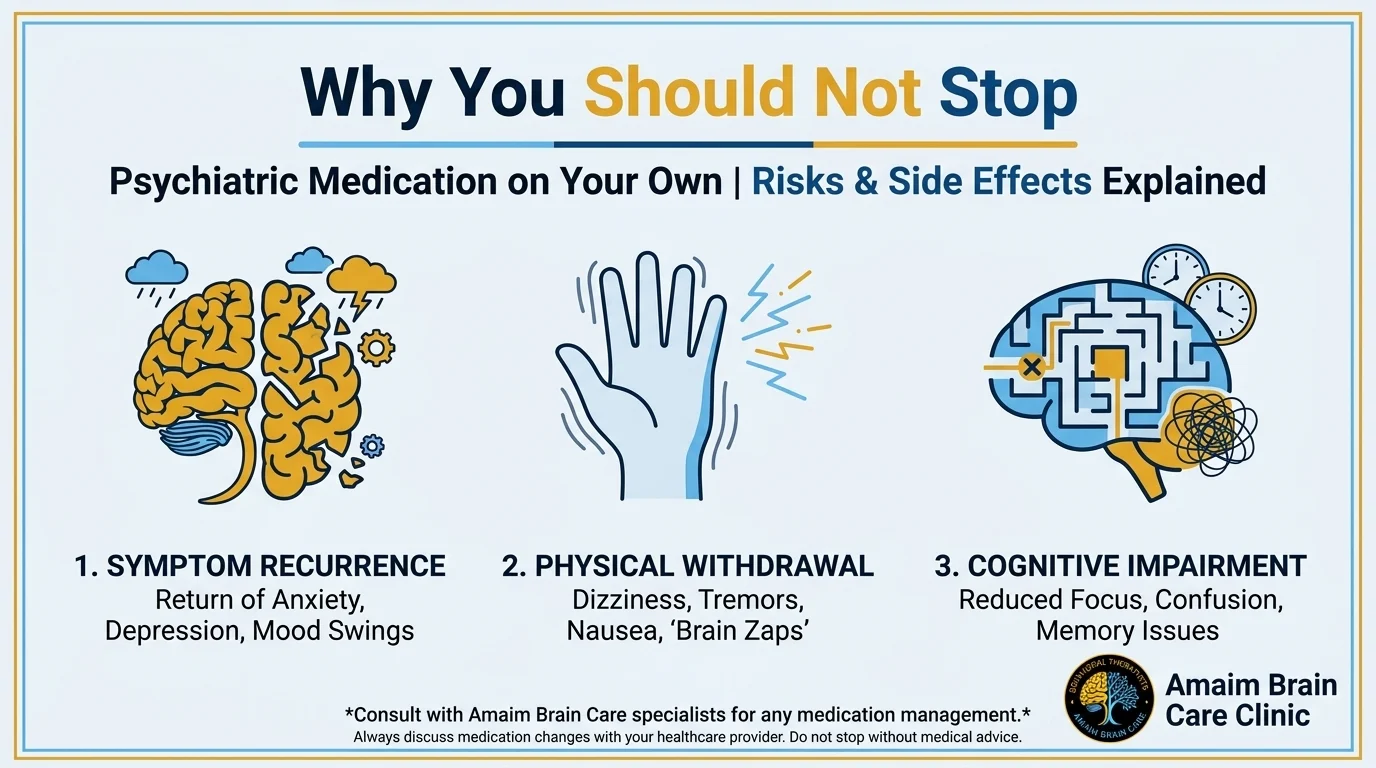
Let’s be honest. Sometimes patients think, “I feel better now, I don’t need medicine anymore,” or “Skipping one or two doses won’t matter.” But in mental health, consistency is everything.
When advice is ignored:
- Symptoms can come back suddenly
- The illness can become harder to treat
- Higher doses of medicine may be needed later
- More medications may be added to control symptoms
This not only makes treatment more complicated but can also increase side effects and cost. From the doctor’s point of view, being strict early on can actually save you from bigger problems later.
Why It Feels Harsh to the Patient
While the doctor’s intention may be to help, the patient’s experience can be very different. When you are already dealing with emotional pain, even simple instructions can feel overwhelming.
You may feel:
- Judged or criticized
- Misunderstood
- Pressured or forced
- Emotionally uncomfortable
This is especially true in our Pakistani culture, where mental health is still a sensitive topic. Many people come to a psychiatrist after a long struggle, and they expect comfort and reassurance. When the doctor is direct or firm, it can feel like a lack of empathy, even if that is not the intention.
The key thing to understand is that every discussion during treatment has a purpose. Even if the tone feels strict, the goal is usually to guide you in the right direction.
Strict Does Not Mean the Doctor Does Not Care
It is important to separate strictness from lack of care. A psychiatrist who is firm about your treatment is often deeply invested in your recovery.
They are trying to:
- Protect your long-term mental and physical health
- Prevent worsening of your condition
- Reduce the chances of relapse
- Help you recover in a stable and lasting way
Sometimes, being too soft can lead to patients not taking treatment seriously. In such cases, a more direct approach becomes necessary.
Think of it like this: if a patient has high blood sugar and continues eating sweets, a doctor will strongly advise them to stop. It may feel strict, but it is necessary for their health. The same principle applies in mental health.
Your Role as a Patient
Mental health treatment works best when there is cooperation between you and your doctor. You are not just a passive patient; you are an active part of the recovery process.
Here are a few things you can do:
- Take medicines exactly as prescribed
- Do not stop or change doses on your own
- Attend follow-up appointments regularly
- Be honest about your symptoms and side effects
- Ask questions if you do not understand something
If something feels uncomfortable, it is okay to express it respectfully. A good psychiatrist will listen and guide you accordingly.
Building Trust in the Treatment Process
Trust takes time, especially in mental health care. In the beginning, you may feel unsure or even resistant. But as you continue treatment and start seeing improvement, your understanding of the doctor’s approach also changes.
Many patients later realize that the strict advice they once disliked was actually what helped them recover.
The goal is not to control you, but to support you in a structured and safe way so that your condition improves without unnecessary risks.
When to Seek the Right Help
If you are feeling stressed, confused, or overwhelmed, it is important to consult a qualified and experienced psychiatrist who understands your situation and communicates clearly.
You can learn more or book a consultation here: Dr Ahsan Tariq Dogar, a highly experienced psychiatrist in Faisalabad, or visit Psychiatry Services in Faisalabad for more details.
Getting the right help at the right time can make a huge difference in your recovery journey.
Relief is possible. Take the first step today.
Frequently Asked Questions About
Psychiatrist Behavior & Treatment
Why does my psychiatrist focus so much on regular follow-ups?
Regular follow-ups help your psychiatrist track your progress, adjust medicines if needed, and manage side effects early. Mental health treatment changes over time, so consistent check-ups ensure your recovery stays on the right path.
Is it normal to feel uncomfortable during psychiatric treatment?
Yes, it is normal. Talking about personal thoughts, emotions, and habits can feel uncomfortable at first. This discomfort usually reduces as you build trust with your psychiatrist and understand the treatment process better.
What should I do if I don’t agree with my psychiatrist’s advice?
You should openly discuss your concerns. A good psychiatrist will listen and explain the reasons behind their advice. Treatment works best when there is clear communication and mutual understanding.
Can I request a change in my treatment plan if I feel side effects?
Yes, you should always inform your psychiatrist about any side effects. Do not stop medicines on your own. Your doctor can adjust the dose or change the medication safely based on your condition.
How long does it take to feel comfortable with a psychiatrist?
It depends on the individual. Some people feel comfortable in a few sessions, while others take longer. Building trust is a gradual process, and it improves as you continue treatment and see positive changes.
Is strict guidance part of effective mental health treatment?
In many cases, yes. Clear and firm guidance helps patients stay consistent with treatment, which is essential for recovery. It is usually meant to support your progress, not to make you feel uncomfortable.
How can I get online consultation or visit the clinic in Pakistan?
You can visit the psychiatric clinic in Faisalabad or book an online consultation from anywhere in Pakistan via WhatsApp. To book, simply call or message on WhatsApp. Payments are accepted through bank transfer, cash, JazzCash, and EasyPaisa. Consultations are provided by Dr Ahsan Tariq Dogar.
The information on this page is for educational purposes only. It is not a substitute for professional psychiatric advice. If you are experiencing mental health symptoms, it is important to consult a qualified psychiatrist in Faisalabad or book an online consultation across Pakistan. Every person’s condition is different and requires proper evaluation and treatment by an experienced specialist like Dr Ahsan Tariq Dogar.