
Understanding Paranoid Personality Disorder (PPD)
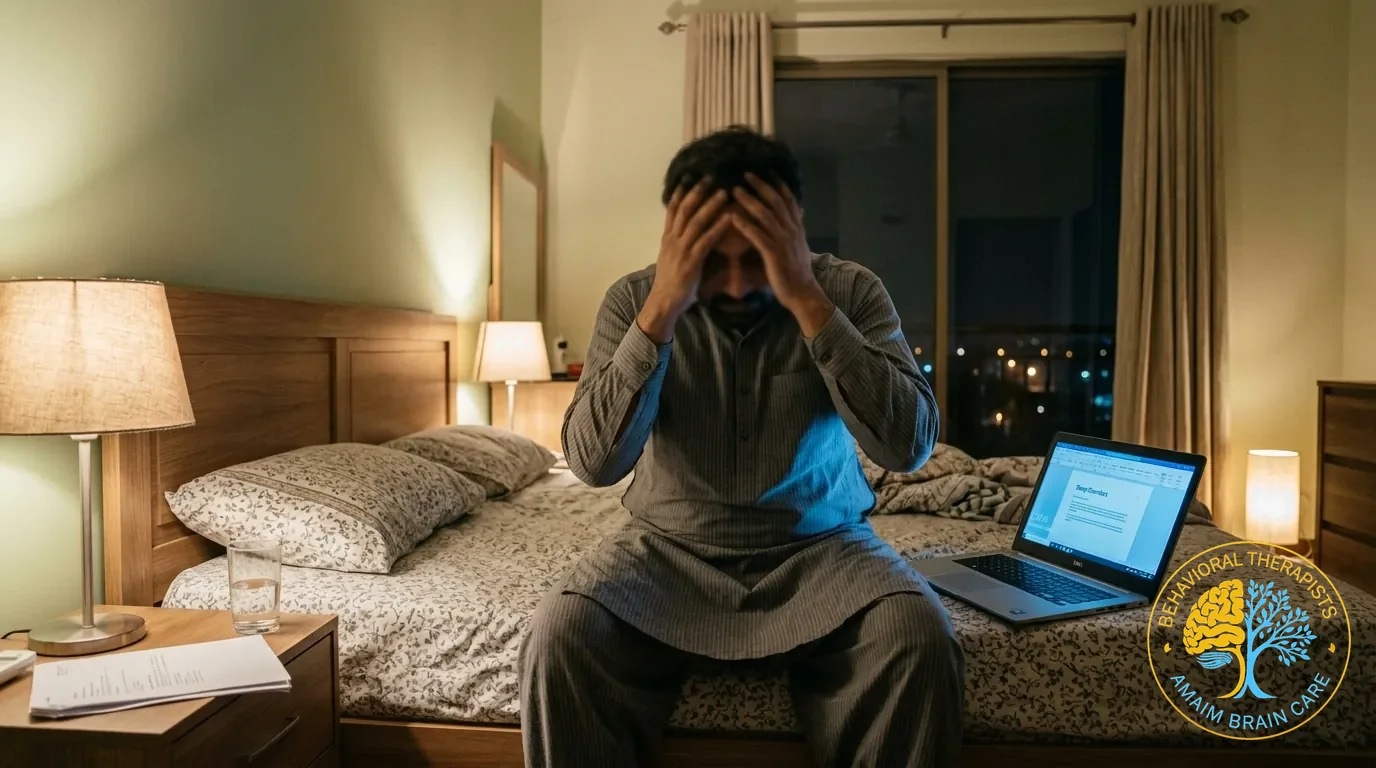
Living with constant suspicion and feeling like others are out to get you can be exhausting. Paranoid Personality Disorder (PPD) creates a heavy burden of mistrust, making it difficult to maintain relationships or find peace of mind. You are not alone, and help is available for such psychiatric diseases.
Agar aap ko har waqt darr lagta hai ke koi aap ko dhoka de raha hai, toh yeh sirf weham nahi ho sakta. PPD ke marizon ko aksar society mein ghalat samjha jata hai. Zehni amraz ka barwaqt ilaj insani zindagi ko behtar banata hai.
بلاجواز شکوک و شبہات کی بنیاد پر زندگی گزارنا ایک اذیت ناک عمل ہے۔ پیرانائیڈ پرسنلٹی ڈس آرڈر کے باعث متاثرہ شخص کو ہر کوئی اپنا دشمن محسوس ہوتا ہے۔ ماہر نفسیات سے رجوع کر کے اس ذہنی بوجھ سے چھٹکارا پایا جا سکتا ہے۔
What is Paranoid Personality Disorder?
Paranoid Personality Disorder is a mental health condition characterized by a long-term pattern of distrust and suspicion of others. People with PPD often interpret the motives of others as malicious, even without any evidence. Unlike schizophrenia or depression, PPD does not typically involve hallucinations, but it deeply affects how a person interacts with the world. It is a recognized medical condition, not just a personality flaw.
Yeh ek aisi zehni halat hai jahan insan ka doosron par se mukammal aitbar uth jata hai. Aksar oqaat dost aur rishtedar is rawaiye ko badtameezi ya zidd ka naam de dete hain. Halaanke, is condition mein koi aawazein nahi aatin ya jadoo tona nahi hota, balki dimaagh ka sochnay ka andaz tabdeel ho jata hai. Iska muaina zaroori hai.
پیرانائیڈ پرسنلٹی ڈس آرڈر ایک مخصوص نفسیاتی کیفیت کا نام ہے، جس میں مریض کسی واضح ثبوت کے بغیر بھی دوسروں پر شک کرتا ہے۔ یہ کوئی عام افسردگی نہیں، بلکہ خیالات کا ایک ایسا جال ہے جس میں پھنس کر انسان اکیلا ہو جاتا ہے۔ یہ باقاعدہ ایک طبی مسئلہ ہے جسے صرف ڈانٹ ڈپٹ سے حل نہیں کیا جا سکتا۔
Causes and the Pakistani Context
The exact cause of PPD is a combination of genetic and environmental factors. Biologically, imbalances in neurochemicals like dopamine and serotonin, along with differences in the amygdala’s functioning, play a role. In Pakistan, cultural factors often complicate the picture. Strong joint-family dynamics, “saas-bahu” conflicts, and the fear of “nazar” (evil eye) or “kala jadoo” (black magic) can amplify underlying paranoid tendencies. Stressful environments and childhood trauma also significantly contribute to its development.

Hamare muashre mein jab bhi kisi ka mizaj achanak shaqqi ho jaye, toh sab se pehle jadoo ya bandish ka socha jata hai. Haqeeqat mein, bachpan ke masail, sakht mahol, ya khandani laraiyan (jese joint family ke masail) dimaagh par asar dalte hain. In asbab ko samajh kar kisi mahir psychiatirst ke paas jana behtar qadam hai.
پاکستان میں نفسیاتی بیماریوں کو اکثر جادو یا آسیب سے جوڑ دیا جاتا ہے، جو علاج کی راہ میں بڑی رکاوٹ ہے۔ اس بیماری کی وجوہات میں موروثی عوامل کے ساتھ ساتھ خاندانی تنازعات اور شدید ذہنی دباؤ شامل ہیں۔ مشترکہ خاندانی نظام میں ہونے والی چپقلش بعض اوقات ان شکوک کو مزید گہرا کر دیتی ہے، جس کے لیے طبی معاونت درکار ہوتی ہے۔
Warning Signs and Symptoms
Recognizing the symptoms of PPD is the first step toward getting help. Common signs include:
- Unjustified suspicion that others are exploiting, harming, or deceiving them.
- Reluctance to confide in others due to an unreasonable fear that the information will be used against them.
- Reading hidden demeaning or threatening meanings into benign remarks.
- Persistently bearing grudges and being unforgiving of insults.
- Recurrent, unjustified suspicions regarding the fidelity of a spouse or partner.
Is bimari ko pehchanne ke liye chand khaas alamaat par gaur karna chahiye. Aam nishaniyon mein shamil hain:
- Har waqt yeh sochna ke log apka faida utha rahe hain ya peeth peeche burai kar rahe hain.
- Apni niji baten aur raaz kisi se share na karna ke kahin wo khilaf na istemal hon.
- Mazaq ya aam si baton mein se bhi taane ya dushmani nikalna.
- Saalon purani baton ka keena rakhna aur choti si ghalti bhi maaf na karna.
- Bina kisi saboot ke shohar ya biwi par musalsal be-aitbari dikhana.
ان علامات پر نظر رکھ کر کسی بھی بڑے نقصان سے بچا جا سکتا ہے:
- یہ بے بنیاد وہم کہ قریبی دوست یا رشتہ دار سازش کر رہے ہیں۔
- معمولی نوعیت کی باتوں کو طعنہ سمجھ کر اپنے دل میں بٹھا لینا۔
- اپنے شریک حیات کی وفاداری پر مستقل سوالیہ نشان اٹھانا اور لڑائی جھگڑا کرنا۔
- غصے کو طویل عرصے تک پالنا اور کسی بھی شخص کو معاف کرنے پر آمادہ نہ ہونا۔
- اپنی ذاتی معلومات چھپانا کیونکہ مریض کو لگتا ہے کہ یہ اس کے خلاف استعمال ہوں گی۔
Impact on Daily Life and Relationships
Living with untreated PPD can severely damage relationships and careers. The constant mistrust often leads to isolation, as friends and family distance themselves to avoid conflict. In the Pakistani cultural context, this can lead to intense family disputes, broken marriages, and professional struggles. It is crucial to address these issues professionally with the top mental health experts rather than relying on unverified spiritual healers.
Jab shak rishton mein shamil ho jaye, toh mohabbat aur dosti dono khatray mein parh jate hain. PPD ka mariz apne career aur ghar walon se door ho kar akela reh jata hai. Hamare culture mein in halat ki wajah se talaq ya nokri chhutne ke waqiat aam hain. Aise masail ko peer fakiron ki bajaye doctor ki nigrani mein theek karna chahiye.
مسلسل بے اعتباری انسان کو معاشرے سے کاٹ دیتی ہے، جس کے نتیجے میں تنہائی اور ڈپریشن جنم لیتے ہیں۔ پاکستان جیسے معاشرے میں جہاں خاندانی تعلقات بہت اہمیت رکھتے ہیں، وہاں شک کی بیماری پورے خاندان کو تباہ کر سکتی ہے۔ ازدواجی زندگی کو ٹوٹنے سے بچانے کے لیے کسی قابل ڈاکٹر سے مشورہ کرنا انتہائی ضروری ہے تاکہ زندگی دوبارہ معمول پر آ سکے۔
When to Seek Professional Help
If you or a loved one is experiencing persistent thoughts of mistrust that disrupt daily life and relationships, it is time to seek professional psychiatric help. Early intervention can prevent further emotional distress and relationship breakdown. Do not wait for the situation to escalate.
Agar aap ke kisi azeez ka mizaj bohat zyada shaqqi ho gaya hai aur iski wajah se ghar ka sukoon barbad ho raha hai, toh intezar mat karen. Waqt par doctor se rabta karne se bohut si aane wali pareshaniyon aur jhagron se bacha ja sakta hai. Zehni sehat ko tarjeeh dena samajhdari hai.
جب شک کی وجہ سے روزمرہ کے کام کاج اور تعلقات شدید متاثر ہونے لگیں، تو جان لیں کہ اب ماہر نفسیات کی ضرورت ہے۔ بیماری کو خود بخود ٹھیک ہونے کا انتظار کرنا صورتحال کو مزید پیچیدہ کر سکتا ہے۔ بروقت طبی امداد حاصل کر کے ایک پرسکون زندگی کی طرف لوٹا جا سکتا ہے۔
Treatment Options at Amaim Brain Care
At Amaim Brain Care, Dr. Ahsan Tariq Dogar provides a comprehensive and empathetic approach to treating Paranoid Personality Disorder. As the best psychiatrist in Faisalabad, he utilizes a combination of evidence-based therapies and, when necessary, medication. Cognitive Behavioral Therapy (CBT) helps patients recognize and challenge their destructive thought patterns, while mood stabilizers or atypical antipsychotics can help manage severe anxiety or agitation. Our mental health clinic in Faisalabad ensures a safe, confidential environment for healing.
Faisalabad mein zehni amraz ke behtareen ilaj ke liye Amaim Brain Care ek bharosemand naam hai. Dr. Ahsan Tariq Dogar mariizon ke masail ko gehrayi se samajhte hain aur unki zaroorat ke mutabiq counseling aur medicine tajweez karte hain. Therapy sessions mein mariz ko sikhaaya jata hai ke wo apni manfi sochon se kaise nimte, jis se uski bechaini mein kafi kami aati hai.
عمائم برین کیئر کلینک میں ڈاکٹر احسن طارق ڈوگر پیرانائیڈ پرسنلٹی ڈس آرڈر کے علاج میں وسیع تجربہ رکھتے ہیں۔ فیصل آباد کے اس جدید سینٹر میں مریضوں کو رازداری کے ساتھ بہترین طبی سہولیات فراہم کی جاتی ہیں۔ یہاں سی بی ٹی تھراپی اور ادویات کے متوازن استعمال سے مریض کی سوچ کا زاویہ مثبت بنانے پر کام کیا جاتا ہے تاکہ وہ بلاجواز خوف سے آزاد ہو سکے۔
Recovery and Life After Treatment
While PPD is a chronic condition, it is highly manageable with consistent treatment. Patients who commit to therapy can learn to build trust, manage their reactions, and maintain healthy relationships. Recovery is a journey, and with the right professional support, leading a fulfilling and connected life is entirely possible.
Zehni sukoon hasil karna ek lamba safar zaroor hai, magar namumkin nahi. Jo afrad apne ilaj ke sath mukhlis hote hain, unke ravaiyon mein wazeh tabdeeli aati hai. Sahi rehnumai ki badaulat, doosron par aitbar karna aur ek khushgawar zindagi guzarana asan ho jata hai.
صحیح سمت میں کی گئی کوشش کبھی رائیگاں نہیں جاتی۔ علاج کے تسلسل سے مریض اپنے جذبات پر قابو پانا سیکھ لیتا ہے اور اس کے رشتوں میں دوبارہ گرمجوشی پیدا ہونے لگتی ہے۔ بہترین طبی رہنمائی کے ساتھ، پی پی ڈی کے مریض بھی معاشرے کا ایک فعال اور خوشحال حصہ بن سکتے ہیں۔
Related Treatments and Articles
Paranoia often overlaps with other mental health conditions. Learn more about our comprehensive treatments for personality disorders, anxiety disorders, and schizophrenia at Amaim Brain Care.
In bimariyon ke ilawa dosre masail ki tafseel ke liye yahan parhein.
نفسیاتی امراض کی مزید تفصیلات اور علاج کے بارے میں جاننے کے لیے نیچے دیے گئے لنکس پر کلک کریں۔
Read more: Why Do I Trust Nobody? Understanding Paranoid Personality Disorder
Sources & References
- Paranoid Personality Disorder – StatPearls – NCBI Bookshelf
- What are Personality Disorders? – American Psychiatric Association
- Addressing psychosis stigma in urban Pakistan – PubMed
Medical Disclaimer

Frequently Asked Questions
Can Paranoid Personality Disorder be cured?
While there is no absolute cure, PPD is highly manageable with long-term psychotherapy and appropriate medication to alleviate symptoms like anxiety.
Is bimari ka muqammal khatma shayad mumkin na ho, lekin mustaqil therapy aur doctors ki tajweez karda medicine se is ke asrat ko qabu mein laya ja sakta hai.
How do you deal with a family member who has PPD?
It is important to set clear boundaries, avoid arguing with their paranoid thoughts, and gently encourage them to seek professional help from a top psychiatrist.
Jab koi ghar wala aisi halat se guzar raha ho, toh us se behes karne ki bajaye sabar se kaam lein. Unhein ahista ahista kisi zehni amraz ke mahir tak le jane ki koshish karen.
Is PPD the same as Schizophrenia?
No. While both involve paranoia, people with PPD do not typically experience hallucinations (seeing or hearing things that aren’t there), which is a key symptom of schizophrenia.
Bilkul nahi. Schizophrenia ke mariz ko aksar aisi aawazein sunai deti hain jo wahan hoti hi nahi. PPD mein sirf ghalat fehmi aur dusron par shadeed shaq hota hai, awazein nahi atin.
What are the best treatments for PPD in Pakistan?
The most effective treatment involves Cognitive Behavioral Therapy (CBT) and, in some cases, medication for related conditions like depression or anxiety, available with the best psychiatrist in Faisalabad.
Pakistan mein is masle ko hal karne ke liye psychologists CBT ka istemal karte hain taake sochne ka andaz badla ja sake. Iske sath anti-anxiety aur mood theek karne wali dawaiyan bhi mufeed sabit hoti hain.
How does PPD affect marriage and relationships?
Untreated PPD can severely damage marriages due to unfounded suspicions of infidelity and constant mistrust. Therapy with a qualified psychiatrist can help rebuild these relationships.
Har waqt ki rok tok aur character par shaq hone ki wajah se miyan biwi ke darmian shadeed faslay paida ho jate hain. Waqt par doctor ki madad lene se talaq jese sangeen masail se bacha ja sakta hai.
How can I book an appointment with Dr. Ahsan Tariq Dogar?
You can book an in-person or online neuro-psychiatric consultation via reaching out via WhatsApp at 0333-6986464 for a confidential appointment.
فیصل آباد میں کلینک وزٹ یا آن لائن مشورے کے لیے آپ عمائم برین کیئر کے آفیشل واٹس ایپ لنک کے ذریعے رابطہ کر کے اپنی اپائنٹمنٹ باآسانی بک کروا سکتے ہیں، جہاں آپ کی معلومات کو مکمل صیغہ راز میں رکھا جاتا ہے۔
Sources & References
Medical & Educational Disclaimer
This content is for educational and informational purposes only and is not a substitute for professional medical advice, diagnosis, or treatment. Always consult a qualified psychiatrist or healthcare provider for any mental health concerns.