Introduction: Defining Obsessive-Compulsive Personality Disorder
Obsessive-Compulsive Personality Disorder (OCPD)—also historically classified under the World Health Organization’s ICD diagnostic manuals as Anankastic Personality Disorder—is one of the most prevalent yet frequently underdiagnosed personality disorders in psychiatric practice. Categorized as a Cluster C (“anxious and fearful”) personality disorder in the DSM-5, OCPD is characterized by a pervasive, lifelong pattern of preoccupation with orderliness, perfectionism, mental and interpersonal control, and rigid adherence to rules, all at the severe expense of flexibility, openness, and overall efficiency. Unlike temporary stress-induced perfectionism, OCPD represents an enduring personality structure that profoundly shapes how an individual perceives reality, processes emotion, manages finances, and interacts with the world.
Obsessive-Compulsive Personality Disorder (OCPD) ek aisi zehni aur shakhsiati bimari hai jise aam tor par log mehnat ya usool pasandi samajh kar nazar andaz kar dete hain. Tibbi manuals (DSM-5) ke mutabiq yeh Cluster C personality disorders mein aati hai. Is marz ka shikar shakhs har cheez mein be-panah safai, be-aeb tartib, sakht qawaneen aur doosron par apna mukammal qaboo chahta hai. Is sakhti ki wajah se uski zehni lachak, khushi aur daston rishtedaron ke sath talluqaat barbad ho jate hain. Yeh koi waqti tanaw nahi balki bachpan se parwan charhne wali aisi pukhta shakhsiyat hoti hai jo insaan ki poori zindagi par asar andaz hoti hai.
آبسیسو کمپلسو پرسنلٹی ڈس آرڈر (OCPD)، جسے بین الاقوامی طبی مینوئلز میں اینانکاسٹک پرسنلٹی ڈس آرڈر (Anankastic Personality Disorder) بھی کہا جاتا ہے، نفسیاتی امراض میں ایک انتہائی عام مگر اکثر نظر انداز کیا جانے والا عارضہ ہے۔ تشخیصی نظام (DSM-5) کے تحت اسے کلسٹر سی (Cluster C) کے امراض میں شمار کیا جاتا ہے۔ اس مرض کی بنیادی خاصیت ہر معاملے میں حد درجہ صفائی اور ترتیب کی جستجو، بے لچک اصول پسندی، اور ارد گرد کے تمام لوگوں پر مکمل تسلط قائم کرنے کی مستقل کوشش ہے، جس کی قیمت انسان اپنی ذہنی وسعت، کام کی رفتار اور دلی خوشی کو قربان کر کے ادا کرتا ہے۔ یہ کوئی عارضی غصہ نہیں بلکہ عمر بھر چلنے والا گہرا شخصیت کا بگاڑ ہے۔
Clinical Signs and DSM-5 Diagnostic Criteria for OCPD
According to the Diagnostic and Statistical Manual of Mental Disorders, Fifth Edition (DSM-5), a diagnosis of Obsessive-Compulsive Personality Disorder requires the presence of at least four (or more) of eight specific behavioral and psychological criteria, manifesting across a broad range of personal, domestic, and occupational contexts:
DSM-5 ke mutabiq OCPD ki rasmi tashkhees ke liye darj zail 8 ahem alamaat mein se kam az kam 4 ya us se zyada ka maujood hona zaroori hai jo mareez ki poori zindagi mein numayan hon:
امریکن سائیکاٹرک ایسوسی ایشن کے تشخیصی مینوئل (DSM-5) کے مطابق او سی پی ڈی کی باقاعدہ تشخیص کے لیے درج ذیل آٹھ مخصوص علامات میں سے کم از کم چار یا اس سے زائد کا مریض کے رویے میں مستقل پایا جانا لازمی ہے:
- 1. Preoccupation with Details, Rules, Lists, and Order: Consumed by organizational procedures to such an extreme degree that the primary objective of the activity is neglected or completely derailed.
Qawaneen, fehriston aur mamooli nukton par is qadar waqt zaya karna ke asal maqsad hi zaya ho jaye.
تفصیلات، قواعد، فہرستوں اور معمولی تکنیکی نکات میں اس قدر الجھ جانا کہ اصل کام اور بنیادی مقصد ہی فراموش ہو جائے۔
- 2. Perfectionism Interfering with Task Completion: An inability to finish projects or meet critical deadlines because excessively rigid, self-imposed standards cannot be met.
Har cheez ko 100 feesad perfect banane ke chakar mein files aur assignments ko waqt par jama na kar pana.
کام کو حد درجہ بے عیب بنانے کی ایسی کوشش جو مقررہ وقت پر کام کو مکمل ہی نہ ہونے دے۔
- 3. Excessive Devotion to Work and Productivity: Total immersion in work and output to the exclusion of leisure activities, recreational hobbies, and friendships, unaccounted for by financial necessity.
Paison ki majboori ke baghair bhi har waqt sirf kaam karte rehna aur aaraam ya doston se milne ko waqt ka zaya samajhna.
مالی مجبوری کے بغیر بھی ہر وقت کام میں مگن رہنا اور تفریح، آرام یا دوستوں سے ملاقات کو لایعنی سمجھنا۔
- 4. Over-Conscientiousness and Moral Inflexibility: Extreme scrupulosity and judgment regarding ethical, moral, or cultural values, refusing to allow for nuanced human context.
Akhlaqi aur usooli baton mein hadd se zyada sakhti aur doosron par mamooli baat par bhi fatway lagana.
اخلاقیات اور اصولوں کے معاملے میں غیر لچکدار رویہ اور دوسروں کی ذرا سی لغزش کو ناقابلِ معافی جرم سمجھنا۔
- 5. Inability to Discard Worn-Out or Worthless Items: Hoarding useless, broken, or obsolete objects even when they lack any sentimental or monetary value.
Ghar mein tooti phooti aur be-kaar cheezon ko is darr se jama karte rehna ke aagay chal kar zaroorat par sakti hai.
گھر میں بیکار، ٹوٹی ہوئی اور ناکارہ اشیاء کو جمع رکھنا حالانکہ ان کی کوئی مالی یا جذباتی وقعت نہ ہو۔
- 6. Reluctance to Delegate Tasks to Others: Unwillingness to assign responsibilities unless subordinates or family members submit unconditionally to their exact methodology.
Apna kaam kisi ko na karne dena kyun ke unhein lagta hai ke koi bhi un jesa durust kaam nahi kar sakta.
کسی دوسرے کے ہاتھ میں کوئی کام نہ سونپنا جب تک کہ وہ ان کے سخت اور بتائے ہوئے طریقہ کار کی حرف بہ حرف پابندی نہ کرے۔
- 7. Parsimonious Spending and Hoarding of Money: Adopting a severely restricted, miserly spending style toward both self and family, hoarding money against catastrophic future emergencies.
Daulat hone ke bawajood apne aur ghar walon ke ahem kharchon par kanjoosi karna aur paisa darr ki wajah se joray rakhna.
وسائل کی موجودگی کے باوجود اپنے اور اہلِ خانہ پر خرچ کرنے میں شدید کنجوسی دکھانا اور ہر وقت ناگہانی آفت کے خوف سے پیسہ جوڑنا۔
- 8. Marked Rigidity and Stubbornness: Inability to compromise, adapt, or change viewpoint when faced with conflicting opinions or altered environmental circumstances.
Har maamlay mein aisi zidd aur anaa dikhana ke doosray ki baat ya samjhote ko قطعی na maanna.
ہر معاملے میں ایسی ہٹ دھرمی اور بے لچک ضد کا مظاہرہ کرنا کہ کسی دوسرے کی جائز دلیل یا سمجھوتے کو تسلیم کرنے سے انکار کرنا۔
Critical Differential Diagnosis: OCPD vs OCD and Comorbid Conditions
Accurate clinical differentiation is paramount in psychiatry. Because of overlapping terminology, OCPD is frequently confused with Obsessive-Compulsive Disorder (OCD), Autism Spectrum Disorder (ASD), and Generalized Anxiety Disorder (GAD). However, their clinical markers and treatment approaches diverge fundamentally:
Tibbi aitbaar se OCPD ki sahi tashkhees bohot zaroori hai. Log aksar isay OCD, Autism ya aam bechaini (Anxiety) samajh bethte hain, lekin inki noiyat mukammal tor par mukhtalif hoti hai:
طبی نفسیات میں درست تشخیص سب سے اہم مرحلہ ہے۔ نام کی مماثلت کی وجہ سے لوگ اکثر او سی پی ڈی کو او سی ڈی (OCD)، آٹزم یا عمومی اینگزائٹی سمجھ لیتے ہیں، حالانکہ ان کے درمیان بنیادی سائنسی فرق موجود ہیں:

The primary distinction between OCPD and OCD rests on ego-syntonicity vs. ego-dystonicity. In OCD, obsessions (e.g., fears of contamination or catastrophe) are unwanted, distressing, and alien to the person’s identity, driving repetitive compulsions (e.g., handwashing, checking locks) performed solely to escape anxiety. In OCPD, there are no specific intrusive obsessions or ritualistic compulsions; instead, perfectionism, punctuality, order, and control are lifelong personality traits that the individual considers correct, rational, and praiseworthy. Furthermore, while OCD is treated primarily with Exposure and Response Prevention (ERP) and high-dose SSRIs, OCPD requires specialized personality-focused psychotherapy such as Radically Open DBT and Schema Therapy.
OCD ka mareez apne waswason aur bar bar hath dhone jesi aadaton se khud tang hota hai aur janta hai ke yeh uski bimari hai. Jabke OCPD ka mareez apni sakhti, safai aur qawaneen ko apni shaan aur kabil-e-tareef khoobi samajhta hai aur doosron ko be-aqal kehta hai. Is liye OCD ka ilaj ERP therapy se hota hai, jabke OCPD ka ilaj RO-DBT aur Schema Therapy jese mukhtalif tareeqon se kiya jata hai.
او سی ڈی کا مریض اپنے بار بار ہاتھ دھونے یا تالے چیک کرنے جیسے وسوسوں سے خود بیزار ہوتا ہے اور اسے بیماری سمجھتا ہے۔ جبکہ او سی پی ڈی کا مریض اپنی کمال پسندی اور سخت احکامات کو اپنی خوبی اور کمال سمجھتا ہے اور دوسروں کو ناسمجھ قرار دیتا ہے۔ اسی لیے او سی ڈی کے علاج کے لیے ای آر پی (ERP) اور او سی پی ڈی کے لیے آر او ڈی بی ٹی (RO-DBT) جیسی مخصوص تھراپیز کی ضرورت ہوتی ہے۔
OCPD must also be distinguished from Autism Spectrum Disorder (ASD). While both conditions share rigid adherence to routines and intense attention to detail, individuals with OCPD do not exhibit early childhood developmental communication delays, sensory processing sensitivities, or stereotyped motor mannerisms characteristic of autism. Similarly, unlike Generalized Anxiety Disorder (where anxiety focuses on numerous uncontrollable life domains), anxiety in OCPD is strictly triggered when personal systems of order, morality, or control are threatened or disrupted.
OCPD aur Autism mein bhi farq hai. Autism mein bacha shuru se bolne aur samajhne mein mushkil mehsoos karta hai, jabke OCPD walay shakhs mein bol chaal ka koi masla nahi hota balki sirf sakht usool hote hain. Isi tarah aam anxiety mein insaan har cheez se darta hai, lekin OCPD ka darr sirf us waqt paida hota hai jab uske banaye hue qawaneen toot rahe hon.
او سی پی ڈی اور آٹزم کا فرق بھی واضح ہے۔ آٹزم میں بچپن سے ہی سماجی رابطوں اور بولنے میں مسائل پائے جاتے ہیں جبکہ او سی پی ڈی میں گفتگو کی کوئی خامی نہیں ہوتی بلکہ صرف بے لچک اصول پسندی ہوتی ہے۔ اسی طرح عام اینگزائٹی میں ہر معاملے کا خوف ہوتا ہے، مگر او سی پی ڈی میں غصہ اور خوف تب بھڑکتا ہے جب مریض کے بنائے گئے اصولوں کی خلاف ورزی ہو۔
Neurobiology and Developmental Etiology
Research across psychiatric neurobiology reveals that OCPD is driven by a complex interplay of genetic vulnerability, altered fronto-striatal brain circuitry, and specific developmental parenting dynamics. Heritability estimates for OCPD traits range between 45% and 78%, indicating a robust genetic component in personality structure.
Tibbi tehqeeqat se saaf zahir hota hai ke OCPD ke peechay jism ke andar jiniati asraat (genetics), dimagh ke asbi circuits ki kharabi aur bachpan ki tarbiyat ka bara hath hota hai. Taqreeban 45 se 78 feesad tak yeh asraat khandan aur genes ke zariye muntaqil hote hain.
طبی و سائنسی تحقیقات سے واضح ہوتا ہے کہ او سی پی ڈی کے پیچھے جینیاتی رجحانات، دماغی سرکٹس کی مخصوص ساخت اور بچپن کی سخت خاندانی تربیت کارفرما ہوتی ہے۔ مطالعات کے مطابق اس عارضے میں موروثی اور جینیاتی عمل دخل کا تناسب 45 سے 78 فیصد تک ہوتا ہے۔
A hallmark neurobiological deficit in OCPD is severe cognitive inflexibility and impaired set-shifting abilities, driven by aberrant communication within fronto-striatal loops connecting the prefrontal cortex to the basal ganglia. Functional neuroimaging studies demonstrate marked hyperactivity within the ventrolateral prefrontal cortex (vlPFC) and the anterior insula (anterior insular cortex), paired with altered metabolic activity in the orbitofrontal cortex (OFC) and anterior cingulate cortex (ACC). These interconnected regions govern environmental monitoring, behavioral inhibition, and somatic distress. Hyperactivity in the anterior insula and vlPFC causes individuals with OCPD to perceive minor procedural deviations as acute existential threats, while an exaggerated Error-Related Negativity (ERN) electrophysiological amplitude triggers intense internal discomfort upon noticing any imperfection.
OCPD ke mareezon mein dimaghi lachak (cognitive flexibility) khatam ho jati hai aur fronto-striatal asbi circuits sakht ho jate hain. Dimagh ka agla hissa (ventrolateral prefrontal cortex) aur anterior insula hadd se zyada garam aur be-chain rehte hain. Error-Related Negativity (ERN) ke be-panah tez signal ki wajah se mamooli be-tartibi ya kisi ki choti si ghalti bhi dimagh ko kisi aag ki tarah takleef deti hai, jisay qaboo karne ke liye insaan ghusse aur shadeed sakhti ka sahara leta hai.
او سی پی ڈی کے مریضوں میں اعصابی لچک (Cognitive Flexibility) شدید متاثر ہوتی ہے جس کے پیچھے فرونٹو اسٹرائٹل سرکٹس کا بگاڑ کارفرما ہوتا ہے۔ نیورو امیجنگ اسکینز کے مطابق وینٹرولیٹرل پری فرنٹل کورٹیکس (vlPFC) اور اینٹیریئر انسولا (Anterior Insula) غیر معمولی طور پر متحرک رہتے ہیں جو آربیٹو فرنٹل اور اینٹیریئر سنگولیٹ کورٹیکس کے ساتھ مل کر کام کرتے ہیں۔ اینٹیریئر انسولا کی حد سے بڑھی ہوئی حساسیت اور ایرر ریلیٹڈ نیگیٹیویٹی (ERN) کے شدید برقی سگنلز کی بدولت معمولی سی بے ترتیبی بھی دماغ میں خطرے کی گھنٹیاں بجا دیتی ہے، جس کے دباؤ میں آ کر مریض دوسروں پر برہم ہو جاتا ہے۔
Developmentally, individuals with OCPD frequently grow up in family environments characterized by authoritarian parenting, emotional coldness, over-control, and conditional love strictly tied to academic achievement or flawless obedience. To shield themselves from parental rejection, criticism, or punishment, the child develops an impenetrable defense mechanism of hyper-vigilance, perfectionism, and emotional suppression that solidifies into an adult personality disorder.
Bache jab aise gharon mein parwarish paate hain jahan walidain behad sakht hon, payar sirf achay numberon par milay aur mamooli ghalti par shadeed maar ya daant paray, toh bacha darr ke maray har cheez ko perfect banane ki aadat daal leta hai. Baray ho kar yahi darr OCPD ki bimari ban kar shakhsiyat par chaa jata hai.
بچپن کے ماحول کے اعتبار سے یہ عارضہ ایسے گھرانوں میں زیادہ پنپتا ہے جہاں والدین کا رویہ انتہائی آمرانہ، جذباتی طور پر سرد اور بے لچک رہا ہو۔ جہاں بچے کو محبت صرف اچھے نمبر لانے یا مکمل تابعداری کی شرط پر ملی ہو، وہاں بچہ سزا اور تنقید کے خوف سے خود کو بے عیب بنانے کی کوشش کرتا ہے، جو بڑا ہو کر ایک مکمل بیماری کی شکل اختیار کر لیتا ہے۔
The Pakistani Cultural Reality: The Illusion of “Strict Principles” and Domestic Trauma
In Pakistan, cultural norms frequently normalize and even sanctify OCPD characteristics. A patriarch or senior executive who exhibits extreme perfectionism, emotional rigidity, and financial hoarding is often celebrated as “sakht usooli” (strictly principled), “khuda tars kifayat shiaar” (frugal and God-fearing), or “kamyab shakhsiyat” (successful personality). Society fails to see the intense psychiatric suffering underneath until the household implodes into emotional trauma, marital breakdown, or severe clinical depression.
Hamare Pakistani muashray mein OCPD ki aadaton ko aksar “sakht usool pasandi” ya “kifayat shiaari” ka naam de kar saraha jata hai. Kisi barey buzurg ya afsar ki is sakhti ko log unka rob aur qabil-e-fakhar mizaj samajhte hain. Koi yeh nahi dekhta ke is sakhti ke peechay ghar ka sukoon, biwi bachon ki khushiyan aur duli sukoon kis tarah raakh ho chuka hai.
پاکستانی معاشرے میں او سی پی ڈی کی علامات کو اکثر “اصول پسندی”، “باوقار رعب” یا “کفایت شعاری” کے پردے میں چھپا دیا جاتا ہے۔ گھر کے بڑے یا کسی افسر کے اس بے جا غصے اور کنجوسی کو خاندانی روایت یا دینداری سمجھ کر برداشت کیا جاتا ہے۔ معاشرہ یہ نہیں دیکھ پاتا کہ اس نام نہاد اصول پسندی کے پیچھے پورا گھرانہ شدید ذہنی اذیت اور بے چینی کی بھٹی میں جل رہا ہے۔

In the home, this rigid control causes deep relational wounds. Spouses are subjected to microscopic scrutiny over household budgets, meal preparation, and social visits. Children raised under an OCPD parent frequently develop severe chronic anxiety, low self-esteem, or counter-rebellion. Financial parsimony leads to deep resentment when wealthy parents refuse to fund necessary medical treatments, higher education, or basic family comforts due to an irrational terror of future ruin.
Ghar ke andar yeh sakhti biwi aur bachon ke dilon ko zakhmi kar deti hai. Har rupaye ka hisaab, khana pakane ke tareeqay par toktok aur rishtedaron se milne par pabandi ghar ko qaid khana bana deti hai. Bachay har waqt khauf aur depression ka shikar rehte hain aur daulat hone ke bawajood ahem zarooriyat se mehroom rehte hain.
گھر کے اندر یہ بے جا تسلط شریکِ حیات اور بچوں کی شخصیت کو کچل کر رکھ دیتا ہے۔ ہر پائی کے حساب پر جرح، باورچی خانے کے معمولات پر نکتہ چینی اور رشتہ داروں سے ملنے پر قدغنیں گھر کے ماحول کو خوفزدہ بنا دیتی ہیں۔ بچے احساسِ کمتری اور اینگزائٹی کا شکار ہو جاتے ہیں اور دولت کی فراوانی کے باوجود بنیادی آسائشوں اور اعلیٰ تعلیم سے محروم رہتے ہیں۔
Comprehensive Multidisciplinary Treatment at Amaim Brain Care
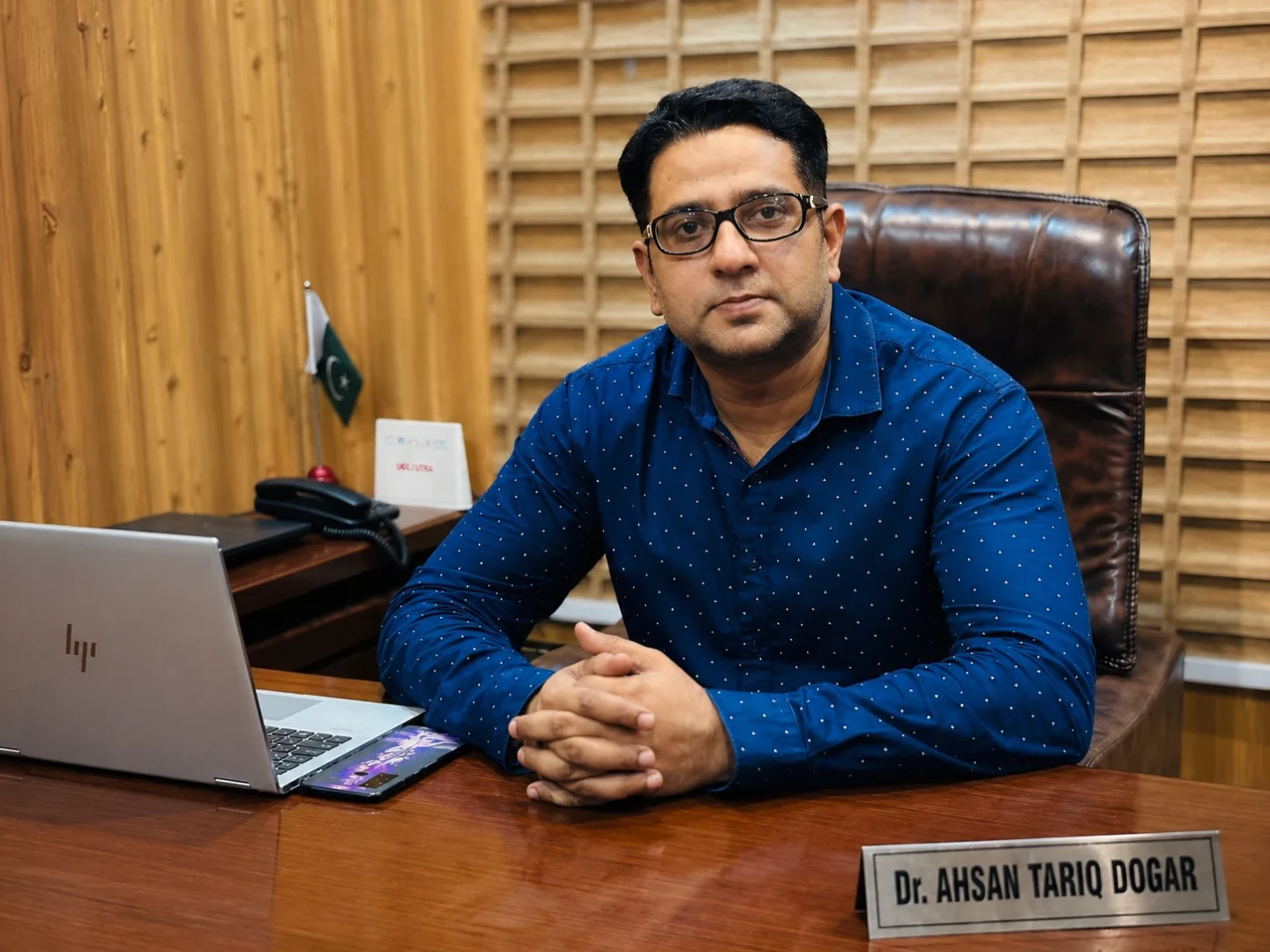
At Amaim Brain Care in Faisalabad, Dr. Ahsan Tariq Dogar, a leading Neuro-Psychiatrist, Behavioral Therapist, and Life Coach, provides state-of-the-art, evidence-based interventions for Obsessive-Compulsive Personality Disorder. Operating within our specialized Personality Disorders Treatment program, we utilize a tailored, multi-modal clinical protocol designed to soften overcontrol, cultivate emotional flexibility, and heal fractured relationships:
Amaim Brain Care Faisalabad mein, Dr. Ahsan Tariq Dogar (Neuro-Psychiatrist & Behavioral Therapist) ki zer-e-nigraani OCPD ka mukammal aur mustanad ilaj faraham kiya jata hai. Hamara makhsoos Personality Disorders Treatment program mareez ke sakht ravaiyye ko narm karne aur rishton ko sanbhalne ke liye darj zail tareeqay apnata hai:
عمائم برین کیئر فیصل آباد میں نامور ماہرِ امراضِ اعصاب و نفسیات ڈاکٹر احسن طارق ڈوگر کی زیرِ نگرانی او سی پی ڈی کا جدید اور سائنسی طریقہ ہائے علاج فراہم کیا جاتا ہے۔ ہمارے کلینک کا خصوصی پرسنلٹی ڈس آرڈرز ٹریٹمنٹ پروگرام مریض کے بے لچک رویوں کو درست کرنے اور گھریلو خوشیاں لوٹانے کے لیے درج ذیل سائنسی طریقے استعمال کرتا ہے:
- Radically Open Dialectical Behavior Therapy (RO-DBT): The premier evidence-based psychotherapy specifically developed for disorders of overcontrol. RO-DBT focuses on teaching flexible responding, openness to novel experiences, and activating social safety neuro-circuitry through authentic facial and emotional social signaling.
RO-DBT therapy mareez ke sakht dimagh ko narm banati hai, usay nayi baton ko khushi se apnana sikhaye aur chehre aur baatcheet mein payar aur shafqat paida karti hai.
ریڈیکلی اوپن ڈائلیکٹیکل بیہیویئر تھراپی (RO-DBT) ضرورت سے زیادہ ضبط کو ختم کرنے کی سب سے جدید تھراپی ہے جو مریض کے اندر لچک، نئی تبدیلیوں کو قبول کرنے اور گفتگو میں گرمجوشی پیدا کرنے کی تربیت دیتی ہے۔
- Cognitive Behavioral Therapy (CBT) & Imperfection Exposures: CBT restructures dysfunctional cognitive schemas (“Imperfection equals total failure”). Patients undergo hierarchical behavioral experiments where they practice intentionally tolerating minor flaws, delegating small tasks, and deviating from rigid schedules without catastrophe.
CBT ke zariye mareez ko sikhaya jata hai ke choti moti ghalti hone se koi tabahi nahi aati, aur doosron par aetmad kar ke kaam unke supurd karna sikhaya jata hai.
کاگنیٹو بیہیوریل تھراپی (CBT) کے ذریعے مریض کی اس منفی سوچ کو بدلا جاتا ہے کہ “خامی کا مطلب ناکامی ہے”، اور اسے چھوٹے چھوٹے کام دوسروں کے سپرد کرنے اور معمولی بے ترتیبی کو برداشت کرنے کی مشق کروائی جاتی ہے۔
- Schema Therapy for Early Maladaptive Beliefs: Targets the “Unrelenting Standards,” “Defectiveness,” and “Punitiveness” schemas. It enables patients to transition from a harsh, punitive internal critic to a compassionate, balanced psychological state.
Schema Therapy bachpan ke un darr aur sakht usoolon ko theek karti hai jo insan ko har waqt ghusse aur bechaini mein rakhte hain.
اسکیما تھراپی (Schema Therapy) کے ذریعے مریض کے اندر موجود سخت اور تنقیدی سوچ کی اصلاح کی جاتی ہے تاکہ وہ خود پر اور دوسروں پر رحم کرنا سیکھ سکے۔
- Psychodynamic and Insight-Oriented Psychotherapy: Illuminates the unconscious fear of vulnerability and loss of control that underlies the compulsive need for order, fostering deep self-compassion and emotional awareness.
Nafsiati tehleel ke zariye dil ke un chupe hue darr aur be-basi ka ilaj kiya jata hai jo shakhs ko har cheez par qaboo pane par majboor karte hain.
سائیکوڈائنامک تھراپی کے ذریعے مریض کے لاشعوری خوف اور کمزوریوں کا سراغ لگا کر ان کا علاج کیا جاتا ہے تاکہ وہ زبردستی کے کنٹرول سے نجات پا سکے۔
- Targeted Pharmacological Support: While medications do not alter baseline personality traits, selective serotonin reuptake inhibitors (SSRIs) or SNRIs are effectively prescribed to treat co-occurring depression, severe anxiety, and obsessive rumination, facilitating emotional stabilization.
Agar mareez shadeed bechaini, ghusse ya depression ka shikar ho toh doctor ki nigrani mein munasib adwiyat tajweez ki jati hain jo dimagh ko sukoon deti hain.
شدید ڈپریشن، غصے اور اعصابی اینٹھن پر قابو پانے کے لیے ماہر ڈاکٹر کی زیرِ نگرانی محفوظ اور جدید ادویات تجویز کی جاتی ہیں جو دماغی دباؤ کو گھٹا دیتی ہیں۔
- Couples and Family Systems Therapy: Works with spouses and children to dismantle dysfunctional dynamics, establish healthy emotional boundaries, and restore loving communication within the home.
Ghar walon aur sharik-e-hayat ki kounceling ki jati hai taake ghar ka mahol pur-sukoon bane aur baapsi talluqaat behtar hon.
اہلِ خانہ اور شریکِ حیات کے لیے فیملی کونسلنگ فراہم کی جاتی ہے تاکہ پرانے تنازعات کو ختم کر کے گھر میں دوبارہ محبت اور خوشگوار فضا قائم کی جا سکے۔
The Road to Recovery: Embracing Flexibility, Connection, and Peace
Recovering from Obsessive-Compulsive Personality Disorder is a transformative journey from rigid constriction to psychological freedom. Treatment does not erase a person’s intelligence, attention to detail, or organizational gifts; instead, it liberates them from the tyranny of overcontrol. Patients learn to enjoy unplanned moments, express genuine love without demanding perfection, and experience lasting serenity. If you or a loved one are struggling under the weight of unrelenting control, compassionate psychiatric support is ready to guide you.
OCPD ke ilaj ka maqsad kisi ki qabiliyat ya kamyabi ko khatam karna nahi balki usay be-ja sakhti ki qaid se rihai dilana hai. Ilaj ke baad insaan baghair darr ke zindagi ka lutf uthata hai, apno ko payar deta hai aur duli sukoon pata hai. Agar aap ya aapka koi apna is maslay ka shikar hai toh aaj hi hamari clinic se rabta karein.
او سی پی ڈی کے علاج کا مقصد انسان کی محنت یا صلاحیتوں کو چھیننا نہیں بلکہ اسے غیر ضروری سختی اور تسلط کی زنجیروں سے آزاد کرانا ہے۔ علاج کے بعد انسان زندگی کی خوبصورتیوں سے لطف اندوز ہوتا ہے، اپنے پیاروں کو بغیر کسی شرط کے اپناتا ہے اور حقیقی سکون پاتا ہے۔ اگر آپ یا آپ کا کوئی عزیز اس عارضے میں مبتلا ہے تو بروقت رہنمائی حاصل کیجیے۔
Frequently Asked Questions
What are the primary signs of Obsessive-Compulsive Personality Disorder (OCPD)?
The hallmark signs of OCPD include an overwhelming preoccupation with rules, lists, and order; perfectionism that prevents task completion; excessive devotion to work at the expense of family and leisure; moral inflexibility; inability to discard worthless objects; reluctance to delegate; financial parsimony; and pervasive rigidity.
OCPD ki ahem alamaat mein fehriston aur qawaneen mein ulajhna, perfectionism ki wajah se kaam adhoora rehna, har waqt sirf kaam karna, aaraam na karna, be-kaar cheezon ko jama karna, kaam kisi ko na saumpna, paisay par shadeed kanjoosi aur ziddi ravaiyya shamil hain.
Is OCPD the same condition as Obsessive-Compulsive Disorder (OCD)?
No. OCD is an anxiety-based condition characterized by intrusive, unwanted obsessions (fears of contamination, harm) and distressing compulsions (repetitive washing, checking) that the person recognizes as irrational. OCPD is a lifelong personality disorder where the individual views their rigid rules and perfectionism as rational, moral, and completely correct.
Nahi, OCD mein insaan apne ajeeb waswason (jese hath dhona) se khud pareshan hota hai. Jabke OCPD mein insaan apni sakhti aur qawaneen ko apni qabiliyat aur durust baat samajhta hai aur doosron ko ghalat kehta hai.
What causes someone to develop Obsessive-Compulsive Personality Disorder?
OCPD develops from an interplay of high genetic heritability (45%–78%), altered fronto-striatal brain circuits (hyperactivity in the prefrontal cortex and an exaggerated Error-Related Negativity signal), and childhood environments marked by authoritarian parenting, emotional coldness, and love conditioned on perfection.
OCPD jiniati asraat (genes), dimagh ke asbi nizam ki kharabi, aur bachpan mein walidain ki shadeed sakhti aur daant dapat ki wajah se janam leta hai jahan bacha darr ke maray har cheez ko perfect banane ki koshish karta hai.
Can a person with OCPD change their rigid personality traits?
Yes. Although personality patterns are deeply ingrained, specialized evidence-based psychotherapies—such as Radically Open DBT (RO-DBT) and Schema Therapy—help individuals cultivate emotional flexibility, challenge black-and-white thinking, and build warmer, healthier relationships.
Ji haan, makhsoos aur jadeed tareeqon jese RO-DBT aur Schema Therapy ke zariye OCPD ka shakhs apni sakhti ko kam kar sakta hai aur ek lachakdar aur khushgawar zindagi guzar sakta hai.
Are there medications that cure Obsessive-Compulsive Personality Disorder?
There are no medications that directly cure personality structure. However, psychiatrists prescribe selective serotonin reuptake inhibitors (SSRIs) and SNRIs to alleviate co-occurring severe anxiety, obsessive rumination, and depression, which facilitates successful psychotherapy.
Shakhsiyat ko badalne ki koi dawayi nahi hoti, lekin dimaghi bechaini, shadeed ghusse aur depression ko kam karne ke liye doctor ki nigrani mein munasib adwiyat di jati hain jo ilaj ko aasan banati hain.
How can I book an appointment with Dr. Ahsan Tariq Dogar?
You can book an in-person or online neuro-psychiatric consultation via reaching out via WhatsApp at 0333-6986464 for a confidential appointment.
فیصل آباد میں کلینک وزٹ یا آن لائن مشورے کے لیے آپ عمائم برین کیئر کے آفیشل واٹس ایپ لنک کے ذریعے رابطہ کر کے اپنی اپائنٹمنٹ باآسانی بک کروا سکتے ہیں، جہاں آپ کی معلومات کو مکمل صیغہ راز میں رکھا جاتا ہے۔
Sources & References
Medical & Educational Disclaimer
This content is for educational and informational purposes only and is not a substitute for professional medical advice, diagnosis, or treatment. Always consult a qualified psychiatrist or healthcare provider for any mental health concerns.