
Neuro & Brain Disorder Treatment in Faisalabad, Pakistan
Brain & Nervous System Care by an Experienced Neuropsychiatrist
If you are suffering from chronic headaches, sudden seizures, nerve pain, or physical brain conditions, it can completely disrupt your daily life. Ignoring these symptoms or relying on self-medication can make the condition worse.
The good news is that with accurate clinical diagnosis and expert medical management, you can get lasting relief and regain control of your health. At Amaim Brain Care, we provide advanced neurological treatment for patients in Faisalabad and across Pakistan.
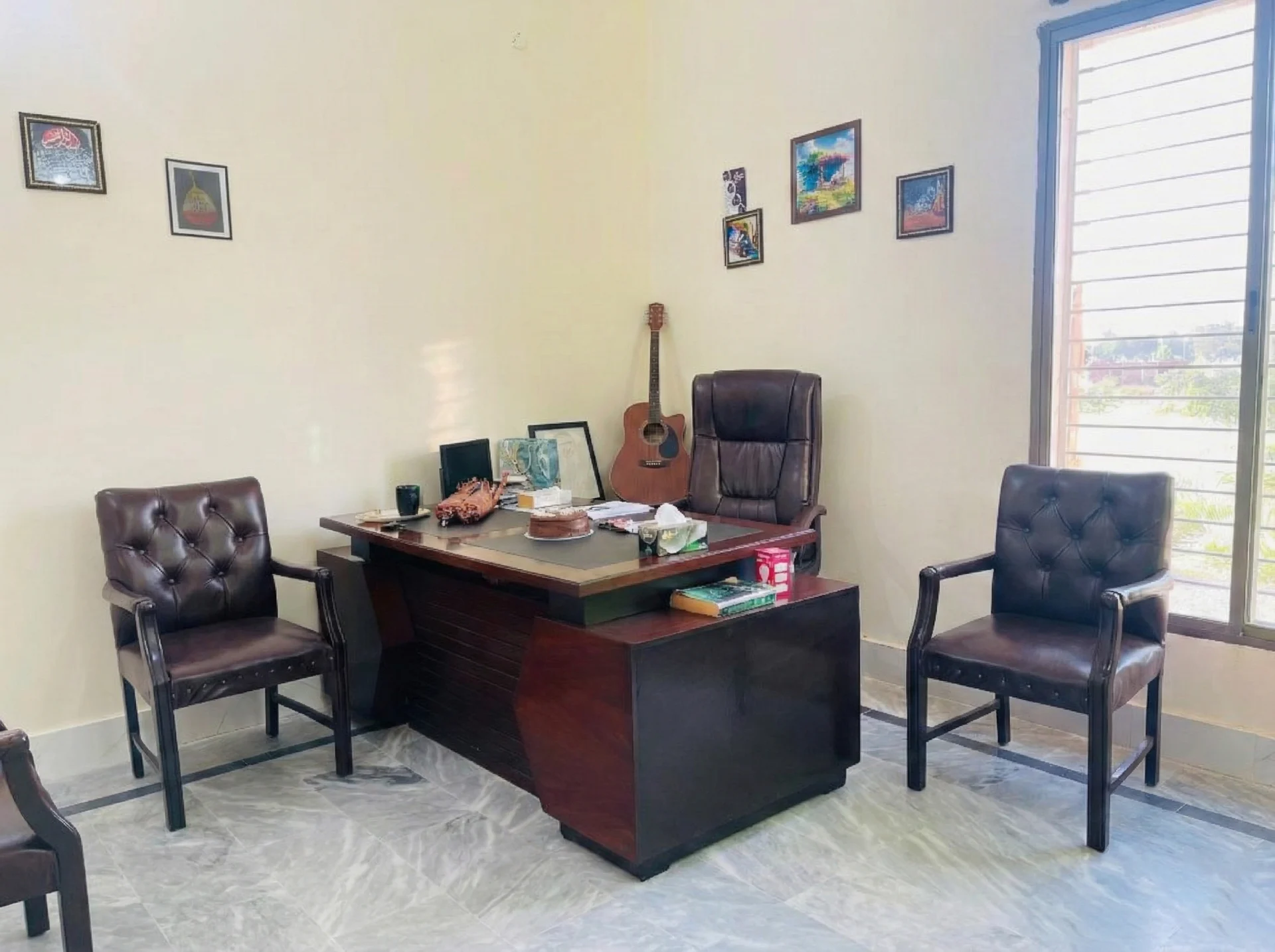
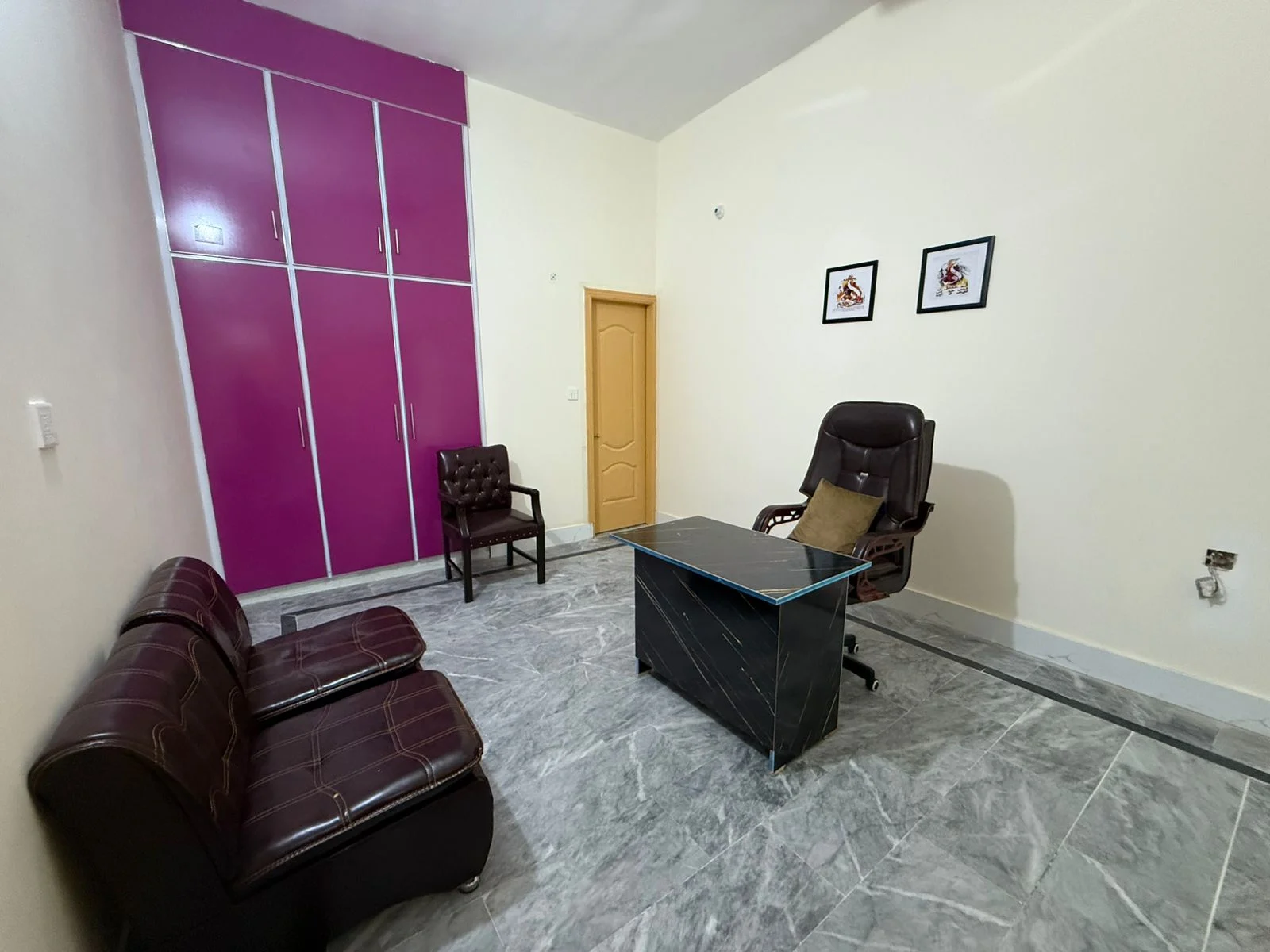
Neurological & Brain Conditions Treated
At Amaim Brain Care, we don’t just treat symptoms; we identify the root cause of your nervous system distress. As a specialized neuro-psychiatric clinic, we assess and manage a broad range of physical brain and nerve conditions.

Brain Scan (MRI Analysis)
Expert clinical review and interpretation of existing brain scan reports.
EEG Analysis
Professional assessment of EEG findings to guide neurological care.
Nerve Conduction Study Review
Clinical interpretation of nerve study reports for symptom correlation.

Headache Disorders
Evaluation and medical management of chronic and recurrent headaches.
Brain Stroke
Consultation for stroke recovery, monitoring, and long-term care planning.

Epilepsy
Diagnosis review and medication management for seizure disorders.

Sleep Disorders
Assessment of sleep-related neurological symptoms and treatment planning.

Dementia
Cognitive evaluation, diagnosis guidance, and supportive care planning.

Movement Disorders
Clinical assessment of tremors, rigidity, and movement abnormalities.

Confusion & Forgetting
Evaluation of memory and attention changes with clinical guidance.
When Should You See a Neuro-Psychiatrist?
Neurological issues rarely resolve on their own. You should seek immediate professional consultation if you or a loved one experience:
- Sudden, severe headaches that feel different from normal.
- Unexplained fainting, blackouts, or seizures.
- Numbness, weakness, or tingling in your arms or legs.
- Sudden difficulty speaking, walking, or maintaining balance.
- Chronic dizziness or vertigo that affects your daily routine.
Early clinical intervention prevents permanent nerve damage and significantly speeds up your recovery.
When Should You See a Neuro-Psychiatrist?
Neurological issues rarely resolve on their own. You should seek immediate professional consultation if you or a loved one experience:
- Sudden, severe headaches that feel different from normal.
- Unexplained fainting, blackouts, or seizures.
- Numbness, weakness, or tingling in your arms or legs.
- Sudden difficulty speaking, walking, or maintaining balance.
- Chronic dizziness or vertigo that affects your daily routine.
Early clinical intervention prevents permanent nerve damage and significantly speeds up your recovery.
NEUROLOGY CONSULTATION & BRAIN DISORDER CARE IN PAKISTAN
Amaim Brain Care in Faisalabad provides professional neurological and neuro-psychiatric treatment for individuals experiencing chronic headaches, nerve pain, seizures, or post-stroke challenges. Led by Dr. Ahsan Tariq Dogar, our clinic offers structured medical management designed to accurately diagnose root causes, relieve physical symptoms, and restore overall nervous system health.

Dr.Ahsan Tariq Dogar Neuropsychiatrist
- MBBS (AIMC)
- MCPS (Psychiatry)
- FCPS (Psychiatry)
- Child & Adolescent Psychiatry Training
- M.Phil (Neuroscience)
- President – PsyRAS (Psychiatry Research & Awareness Society)
- 14+ Years Clinical Experience in Psychiatry & Mental Health Treatment
Top Rated Neuropsychiatrist in Faisalabad with 800+ Five-Star Patient Reviews on Oladoc.
How We Approach Your Therapy
Precise Clinical Evaluation
We conduct an in-depth assessment of your medical history, reflexes, and symptoms to form an accurate diagnosis.
Targeted Medication Management
You receive a carefully prescribed treatment plan designed to stabilize your nervous system and relieve pain safely.
Continuous Care & Follow-up
We monitor your progress closely, adjusting medications as needed to ensure long-term stability and health.
In-Person & Online Neurology Consultation in Pakistan
Don’t let nerve pain or neurological conditions control your life. Professional medical care is just a call away. – available 24/7.
Select an option below to schedule your consultation.
Neuro FAQs
What conditions are treated under neurology services?
When should I seek a neurology consultation?
Do all neurological conditions require long-term medication?
What diagnostic tests are commonly used in neurology?
Are neurological problems always serious?
Locate Amaim Brain Care
Neuro Clinic in Faisalabad
Address:
Hours: Open 24/7
Trusted by the Community
Trustindex verifies that the original source of the review is Google. Best Rehab Centre Dr Sb is very humble and polite 100% recovery ratePosted onTrustindex verifies that the original source of the review is Google. I had an online consultation with Dr. Ahsan Tariq Dogar through OlaDoc, and it was a very positive experience. He gave almost a full hour to listen carefully and discuss my concerns in detail. He focused on guidance, understanding the root causes, and explaining everything clearly rather than rushing the session. His approach was patient, supportive, and professional, which made me feel comfortable and heard. I would highly recommend him to anyone looking for a psychiatrist who genuinely takes time to understand their patients.Posted onTrustindex verifies that the original source of the review is Google. NYC workPosted onTrustindex verifies that the original source of the review is Google. Most dedicated psychiatrist in Faisalabad and an excellent facility under his supervision.Posted onTrustindex verifies that the original source of the review is Google. The doctor shows a sincere interest in the well-being of patients. 👌Posted onTrustindex verifies that the original source of the review is Google. Good ExperiencePosted onTrustindex verifies that the original source of the review is Google. 100% effective treatment to solve all your mental health problems and drugs related issues....Posted onTrustindex verifies that the original source of the review is Google. an overall rewarding experience, much appreciated.Posted onTrustindex verifies that the original source of the review is Google. Best place where locate ... Peace calmful and safe environment provide to clients, patients, and service seeker. Supportive staff like best psychetrist and psychologist both male and female. Highly recommend from me to approach them.Verified by TrustindexTrustindex verified badge is the Universal Symbol of Trust. Only the greatest companies can get the verified badge who has a review score above 4.5, based on customer reviews over the past 12 months. Read more
!!! NEUROLOGICAL EMERGENCY SUPPORT !!!
WHEN TO SEEK URGENT NEUROLOGICAL HELP
- Sudden weakness or numbness in the face, arm, or leg
- Difficulty speaking or understanding speech
- Sudden severe headache unlike previous headaches
- Seizures or repeated loss of consciousness
- Sudden vision problems or blurred vision
- Loss of balance, dizziness, or difficulty walking
- Confusion, memory loss, or sudden neurological changes
If any of these symptoms appear suddenly, do not delay medical evaluation. Early treatment can prevent serious complications.
HOW WE HELP IN A NEUROLOGICAL EMERGENCY
- Provide immediate guidance for patients and family members
- Help assess urgent neurological symptoms quickly
- Guide families on the safest next steps for medical care
- Coordinate urgent consultation and neurological evaluation
- Provide supportive care guidance until hospital care is available
- Offer compassionate and clear medical direction during stressful situations
Our priority is rapid response, patient safety, and timely neurological care.
If this is a life-threatening emergency, please contact local emergency services or go to the nearest emergency department immediately.