In Pakistan, the diagnosis of Autism Spectrum Disorder (ASD) is heavily clouded by cultural denial, profound stigma, and a severe lack of early clinical awareness. When a toddler fails to speak or make eye contact, families often rationalize the developmental delay with phrases like “boys speak late” or incorrectly assume the child is simply stubborn or deaf. In clinical reality, Autism is a complex, pervasive neurodevelopmental disorder that fundamentally alters how a child’s brain processes social interaction, communication, and sensory information. From a neurobiological perspective, ASD involves atypical structural and functional connectivity in critical brain regions. The amygdala, responsible for processing emotions and fear, and the prefrontal cortex, crucial for executive function and social cognition, often show disrupted neural pathways. Furthermore, imbalances in neurochemicals such as serotonin and dopamine are strongly implicated in the sensory and behavioral symptoms. Identifying the early neurological red flags is the absolute most critical step; early intervention using evidence-based approaches like Applied Behavior Analysis (ABA) and specialized speech therapy can radically transform the child’s entire developmental trajectory.
پاکستان میں آٹزم (Autism Spectrum Disorder) کی تشخیص کو اکثر خاندانی شرم، معاشرتی ڈر اور شدید لاعلمی کی وجہ سے چھپایا یا نظر انداز کیا جاتا ہے۔ جب کوئی بچہ بولنے میں دیر کرتا ہے یا آنکھوں میں آنکھیں نہیں ڈالتا، تو خاندان اکثر یہ کہہ کر دل کو تسلی دے دیتے ہیں کہ “لڑکے ذرا دیر سے بولتے ہیں”، یا بچے کو محض ضدی، لاڈلا یا بہرہ سمجھ لیا جاتا ہے۔ طبی حقیقت میں، آٹزم ایک انتہائی پیچیدہ اور گہری دماغی بیماری ہے جو بچے کے سوچنے، بولنے، لوگوں سے ملنے اور چیزوں کو محسوس کرنے کے پورے نظام کو بدل دیتی ہے۔ اعصابی اور حیاتیاتی (Neurobiological) لحاظ سے، آٹزم دماغ کے اہم حصوں میں غیر معمولی رابطے کا باعث بنتا ہے۔ امیگڈالا (Amygdala)، جو جذبات اور خوف کو کنٹرول کرتا ہے، اور پری فرنٹل کارٹیکس (Prefrontal Cortex)، جو سماجی رویوں کو سنبھالتا ہے، میں اعصابی راستے متاثر ہوتے ہیں۔ اس کے علاوہ، سیروٹونن (Serotonin) اور ڈوپامائن (Dopamine) جیسے نیورو کیمیکلز کا عدم توازن رویے کی خرابیوں میں اہم کردار ادا کرتا ہے۔ آٹزم کی ابتدائی علامات کو جلد پہچاننا سب سے زیادہ اہم قدم ہے؛ کیونکہ جتنی جلدی اپلائیڈ بیہیویئر انیلیسس (ABA) اور سپیچ تھراپی جیسے مستند علاج شروع ہوں گے، بچے کے مستقبل کو اتنی ہی کامیابی سے بچایا جا سکتا ہے۔
The Critical Neuro-Developmental Red Flags | آٹزم کی خطرناک ابتدائی علامات
Autism is termed a “spectrum” because the severity of the neurological impairment varies drastically from child to child. However, there are universal core deficits that typically manifest before the age of two. A highly trained child psychiatrist like Dr. Ahsan Tariq Dogar looks for specific disruptions in three primary developmental domains. The clinical assessment evaluates cognitive milestones, social reciprocity, and repetitive motor patterns, often utilizing standardized diagnostic instruments like the ADOS-2 (Autism Diagnostic Observation Schedule) to accurately pinpoint deficits in synaptic pruning and neurodevelopmental delays.
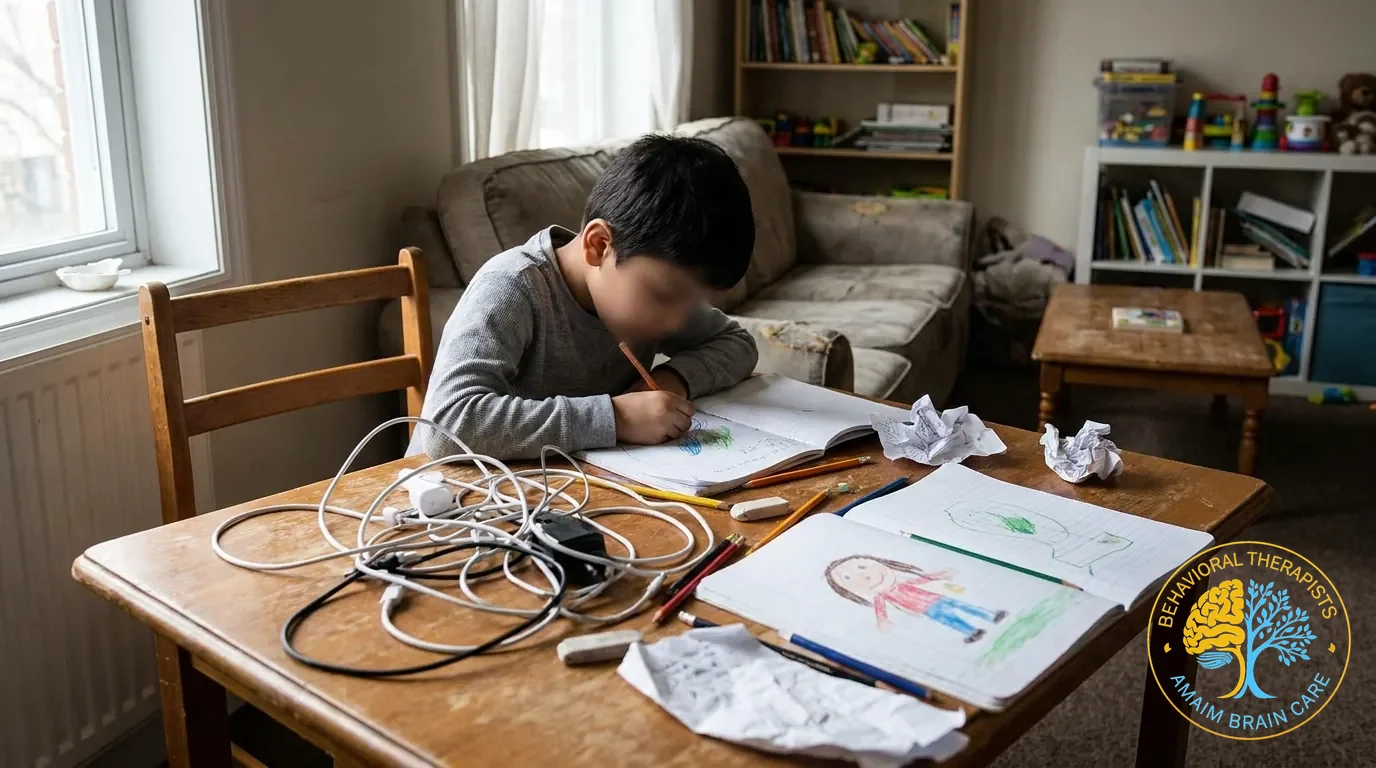
آٹزم کو ایک “سپیکٹرم” (Spectrum) کہا جاتا ہے کیونکہ ہر بچے میں اس دماغی خرابی کی شدت مختلف ہوتی ہے۔ تاہم، کچھ ایسی پکی علامات ہیں جو عام طور پر دو سال کی عمر سے پہلے ظاہر ہو جاتی ہیں۔ ڈاکٹر احسن طارق ڈوگر جیسے ماہر چائلڈ سائیکاٹرسٹ بچے کی ان تین اہم خامیوں کو چیک کرتے ہیں۔ کلینیکل تشخیص میں بچے کی ذہنی نشوونما، سماجی رویوں اور جسمانی حرکتوں کا باریک بینی سے جائزہ لیا جاتا ہے، جس میں دماغی خلیوں (Synaptic pruning) کے مسائل کو جانچنے کے لیے ADOS-2 جیسے معیاری ٹیسٹ کا استعمال کیا جاتا ہے۔
1. Severe Deficits in Social Communication | رشتوں اور رابطے کی شدید معذوری
The hallmark of ASD is a profound inability to engage in reciprocal social interaction. The child appears trapped in their own isolated neurological world, often exhibiting a lack of “Theory of Mind”—the cognitive ability to understand that other people have different thoughts and feelings. This deficit stems from structural abnormalities in the superior temporal sulcus and other regions of the “social brain.”

آٹزم کی سب سے بڑی نشانی یہ ہے کہ بچہ دوسروں کے ساتھ ملنے جلنے یا رشتہ بنانے سے بالکل قاصر ہوتا ہے۔ ایسا لگتا ہے جیسے بچہ اپنی ہی ایک الگ دماغی دنیا میں قید ہے۔ ان بچوں میں اکثر “تھیوری آف مائنڈ” (Theory of Mind) کی کمی ہوتی ہے، یعنی یہ سمجھنے کی صلاحیت کہ دوسروں کے خیالات اور جذبات ان سے مختلف ہو سکتے ہیں۔ یہ مسئلہ “سوشل برین” (Social brain) اور سپیریئر ٹیمپورل سلکس (Superior Temporal Sulcus) کی غیر معمولی ساخت کی وجہ سے ہوتا ہے۔
- Lack of Eye Contact: The infant actively avoids looking into the parents’ eyes when being fed or played with. This is not shyness; it is an atypical processing of facial recognition pathways in the brain.
آنکھیں نہ ملانا (Eye Contact): بچہ دودھ پیتے وقت یا کھیلتے وقت والدین کی آنکھوں میں بالکل نہیں دیکھتا یا نظریں چراتا ہے۔ یہ شرم نہیں ہے، بلکہ دماغ میں چہرہ پہچاننے والے نظام کی خرابی ہے۔ - No Response to Name: By 12 months, the child completely ignores their name being called, often leading parents to falsely suspect profound hearing loss. The auditory cortex is functional, but the brain fails to filter and prioritize social auditory stimuli.
نام پکارنے پر کوئی جواب نہ دینا: 12 مہینے کا بچہ اپنا نام پکارنے پر بالکل مڑ کر نہیں دیکھتا، جس کی وجہ سے والدین اکثر یہ سمجھتے ہیں کہ شاید بچہ بہرہ ہے۔ بچے کے کان ٹھیک ہوتے ہیں (Auditory Cortex)، لیکن دماغ سماجی آوازوں کو اہمیت نہیں دیتا۔ - Absence of Pointing and Joint Attention: The child does not point their finger to show interest in objects and lacks “joint attention”—the shared focus of two individuals on an object. This represents a foundational gap in early communication development.
اشارہ نہ کرنا اور مشترکہ توجہ کی کمی: بچہ کسی چیز کی طرف دلچسپی دکھانے کے لیے اشارہ نہیں کرتا اور ان میں “جوائنٹ اٹینشن” (Joint Attention) نہیں ہوتی۔ یہ ابتدائی رابطے کی نشوونما میں ایک بڑی رکاوٹ کی علامت ہے۔
2. Repetitive and Restrictive Behaviors | ایک ہی حرکت کو بار بار دہرانا
Because the autistic brain struggles to process the chaotic external world, the child relies on highly rigid, repetitive behaviors to self-soothe and maintain a sense of absolute neurological control. These behaviors, clinically termed stereotypies, are linked to alterations in the basal ganglia—the brain region responsible for motor control and habitual behavior.
چونکہ آٹسٹک بچے کا دماغ بیرونی دنیا کے شور اور ہجوم کو برداشت نہیں کر پاتا، اس لیے وہ خود کو پرسکون رکھنے کے لیے کچھ خاص حرکتیں بار بار کرتا ہے۔ ان حرکتوں کو طبی زبان میں سٹیریوٹائپیز (Stereotypies) کہا جاتا ہے، اور ان کا تعلق دماغ کے اس حصے (Basal Ganglia) سے ہے جو پٹھوں کی حرکت اور عادات کو کنٹرول کرتا ہے۔
- Motor Stereotypies (Stimming): The child engages in continuous hand-flapping, rocking back and forth, or walking exclusively on their tiptoes. This self-stimulatory behavior is a neurobiological mechanism to regulate sensory input.
مخصوص جسمانی حرکتیں (Stimming): بچہ مسلسل اپنے ہاتھ لہراتا ہے، آگے پیچھے جھولتا ہے، یا صرف اپنے پنجوں پر چلتا ہے۔ یہ حسیات کو کنٹرول کرنے کا ایک اعصابی طریقہ ہے۔ - Obsessive Toy Fixation: Instead of engaging in imaginative play, the child will obsessively line up cars in a perfectly straight row or spend hours spinning the wheels. They focus on parts of an object rather than its functional whole.
کھلونوں کا عجیب استعمال: بچہ کھلونوں سے نارمل طریقے سے کھیلنے کے بجائے، ان کھلونوں کو گھنٹوں تک ایک سیدھی لائن میں لگاتا رہتا ہے، یا صرف گاڑی کے پہیے کو مسلسل گھماتا رہتا ہے۔ - Extreme Resistance to Change: A minor disruption in their daily routine triggers a severe, uncontrollable “meltdown”—which is an acute neurobiological stress response, often accompanied by surges of cortisol and adrenaline, not a standard temper tantrum.
تبدیلی پر شدید ردعمل: اگر ان کی روٹین میں ذرا سی بھی تبدیلی آ جائے، تو بچے کو ایک انتہائی خوفناک دورہ پڑتا ہے۔ یہ ایک شدید دماغی تناؤ کا ردعمل ہے جس میں کارٹیسول (Cortisol) اور ایڈرینالین (Adrenaline) کا اخراج ہوتا ہے، اسے عام بچوں کی ضد نہیں سمجھنا چاہیے۔
3. Severe Sensory Processing Issues | حواس کا شدید بگاڑ (Sensory Issues)
The sensory pathways in an ASD brain are often wildly hyper-reactive or hypo-reactive, a condition known as Sensory Processing Disorder (SPD). This neurological dysfunction means the brain cannot synthesize and organize sensory messages. The child may scream in physical agony at the sound of a vacuum cleaner, exhibiting auditory defensiveness, or absolutely refuse to wear clothes with specific textures due to severe tactile defensiveness. Conversely, hypo-reactivity might cause a child to seemingly not feel pain from a deep cut. Pharmacological interventions, such as specific Selective Serotonin Reuptake Inhibitors (SSRIs) or atypical antipsychotics like Risperidone or Aripiprazole, are sometimes carefully prescribed by specialists to manage extreme irritability or severe behavioral disruptions associated with sensory overload.
Frequently Asked Questions
Does giving a child too much screen time (mobile/TV) cause Autism? | کیا بچے کو بہت زیادہ موبائل یا ٹی وی دکھانے سے آٹزم کی بیماری ہو جاتی ہے؟
No, screen time cannot neurologically cause Autism; ASD is a genetic and neurobiological disorder present from birth, involving complex polygenic inheritance and disruptions in early brain development. However, excessive screen time creates “Virtual Autism,” leading to severe speech delays, impaired prefrontal cortex stimulation, and social withdrawal that powerfully mimic ASD symptoms. Only a trained child psychiatrist can clinically differentiate between the two.
نہیں، سکرین دیکھنے سے آٹزم پیدا نہیں ہوتا؛ آٹزم ایک پیدائشی اور جینیاتی (Genetic) دماغی بیماری ہے جو دماغ کی ابتدائی نشوونما میں خرابی سے ہوتی ہے۔ تاہم، بہت زیادہ موبائل دینے سے بچے میں “ورچوئل آٹزم” (Virtual Autism) آ جاتا ہے جس کی وجہ سے پری فرنٹل کارٹیکس (Prefrontal Cortex) کی محرومی ہوتی ہے اور بچہ بولنا بند کر کے بالکل آٹزم کے مریض جیسا رویہ اختیار کر لیتا ہے۔ ان دونوں کا فرق صرف ایک ماہر ڈاکٹر ہی کلینیکل معائنے سے بتا سکتا ہے۔
ذہنی اور نفسیاتی صحت کے مسائل کے حوالے سے بروقت طبی تشخیص اور مستند ڈاکٹر کی رہنمائی انتہائی ضروری ہے۔ اگر آپ یا آپ کا کوئی پیارا اس مسئلے کا سامنا کر رہا ہے تو مناسب علاج اور رہنمائی کے لیے مستند ماہر نفسیات سے فوری رجوع کریں۔
Is it possible for an Autistic child to be highly intelligent? | کیا آٹزم کا شکار بچہ انتہائی ذہین بھی ہو سکتا ہے؟
Absolutely. ASD is a spectrum disorder characterized by neurodiversity. Many children with “High-Functioning Autism” (formerly Asperger’s Syndrome) possess exceptionally high cognitive capacities and unique talents in domains requiring systemic thinking, such as mathematics, computer science, or music. Their primary neurobiological deficit lies in social communication, processing emotional cues, and executive functioning, not in overall cognitive intellect.
بالکل۔ آٹزم کی کئی اقسام ہیں اور اسے نیوروڈائیورسٹی (Neurodiversity) کا حصہ مانا جاتا ہے۔ کچھ آٹسٹک بچوں (High-Functioning Autism / Asperger’s) کی ذہنی صلاحیت (IQ) عام بچوں سے بھی بہت زیادہ تیز ہوتی ہے اور وہ ریاضی یا کمپیوٹر میں ماہر ہوتے ہیں۔ ان کی اصل معذوری دماغ کے اس حصے میں ہوتی ہے جو سماجی رابطوں اور جذباتی اشاروں کو سمجھتا ہے، ان کی ذہانت میں کوئی کمی نہیں ہوتی۔
ذہنی اور نفسیاتی صحت کے مسائل کے حوالے سے بروقت طبی تشخیص اور مستند ڈاکٹر کی رہنمائی انتہائی ضروری ہے۔ اگر آپ یا آپ کا کوئی پیارا اس مسئلے کا سامنا کر رہا ہے تو مناسب علاج اور رہنمائی کے لیے مستند ماہر نفسیات سے فوری رجوع کریں۔
Why does my child suddenly start screaming and hitting their head against the floor? | میرا آٹسٹک بچہ اچانک زور زور سے کیوں چیخنے لگتا ہے اور اپنا سر زمین پر کیوں مارتا ہے؟
This behavior is a neurobiological “Meltdown,” representing acute sensory overload, not willful disobedience. Their highly sensitive brain, particularly the hyper-reactive amygdala, has been completely overwhelmed by a sensory trigger (loud noise, bright light, or sudden change). They engage in self-injurious behavior like hitting their head because the intense physical pain temporarily distracts their central nervous system from the excruciating sensory overload. In severe cases, medications like Risperidone may be utilized to manage irritability.
یہ بچے کی بدتمیزی یا غصہ نہیں، بلکہ یہ ایک دماغی “میلٹ ڈاؤن” (Meltdown) ہے۔ جب ان کا حساس دماغ، خاص طور پر ہائپر ایکٹو امیگڈالا (Amygdala)، کسی تیز آواز یا شور کو برداشت نہیں کر پاتا، تو ان کا اعصابی نظام (Nervous System) فیل ہو جاتا ہے۔ وہ سر اس لیے مارتے ہیں کیونکہ جسمانی درد انہیں اس دماغی اذیت سے وقتی طور پر غافل کر دیتا ہے۔ انتہائی شدید حالتوں میں چڑچڑاپن کم کرنے کے لیے رسپیریڈون (Risperidone) جیسی ادویات کا استعمال کیا جا سکتا ہے۔
ذہنی اور نفسیاتی صحت کے مسائل کے حوالے سے بروقت طبی تشخیص اور مستند ڈاکٹر کی رہنمائی انتہائی ضروری ہے۔ اگر آپ یا آپ کا کوئی پیارا اس مسئلے کا سامنا کر رہا ہے تو مناسب علاج اور رہنمائی کے لیے مستند ماہر نفسیات سے فوری رجوع کریں۔
Can vaccines given in Pakistan cause Autism in children? | کیا بچوں کو لگائے جانے والے ٹیکوں (Vaccines) کی وجہ سے آٹزم ہوتا ہے؟
Absolutely not. This is a globally debunked, scientifically inaccurate, and highly dangerous myth. Massive international clinical studies and epidemiological research have proven unequivocally that there is zero connection between childhood vaccinations and the development of Autism. ASD etiology is rooted in genetics and prenatal neurodevelopment. Delaying vaccines only exposes your child to fatal, preventable infectious diseases.
بالکل نہیں۔ یہ ایک انتہائی خطرناک اور جھوٹی افواہ ہے جسے دنیا بھر کی میڈیکل سائنس اور ایپیڈیمیولوجیکل ریسرچ (Epidemiological research) رد کر چکی ہے۔ ٹیکوں اور آٹزم کا آپس میں کوئی تعلق نہیں۔ آٹزم کی بنیادی وجوہات جینیاتی اور پیدائش سے پہلے دماغی نشوونما کی خرابی میں چھپی ہیں۔ بچوں کو ٹیکے نہ لگوانا انہیں آٹزم سے تو نہیں بچائے گا، بلکہ انہیں دوسری جان لیوا بیماریوں کا شکار ضرور کر دے گا۔
ذہنی اور نفسیاتی صحت کے مسائل کے حوالے سے بروقت طبی تشخیص اور مستند ڈاکٹر کی رہنمائی انتہائی ضروری ہے۔ اگر آپ یا آپ کا کوئی پیارا اس مسئلے کا سامنا کر رہا ہے تو مناسب علاج اور رہنمائی کے لیے مستند ماہر نفسیات سے فوری رجوع کریں۔
Where can parents get a highly accurate Autism diagnosis for their child in Pakistan? | پاکستان میں والدین اپنے بچے کے لیے آٹزم کی 100 فیصد درست تشخیص کہاں سے کروا سکتے ہیں؟
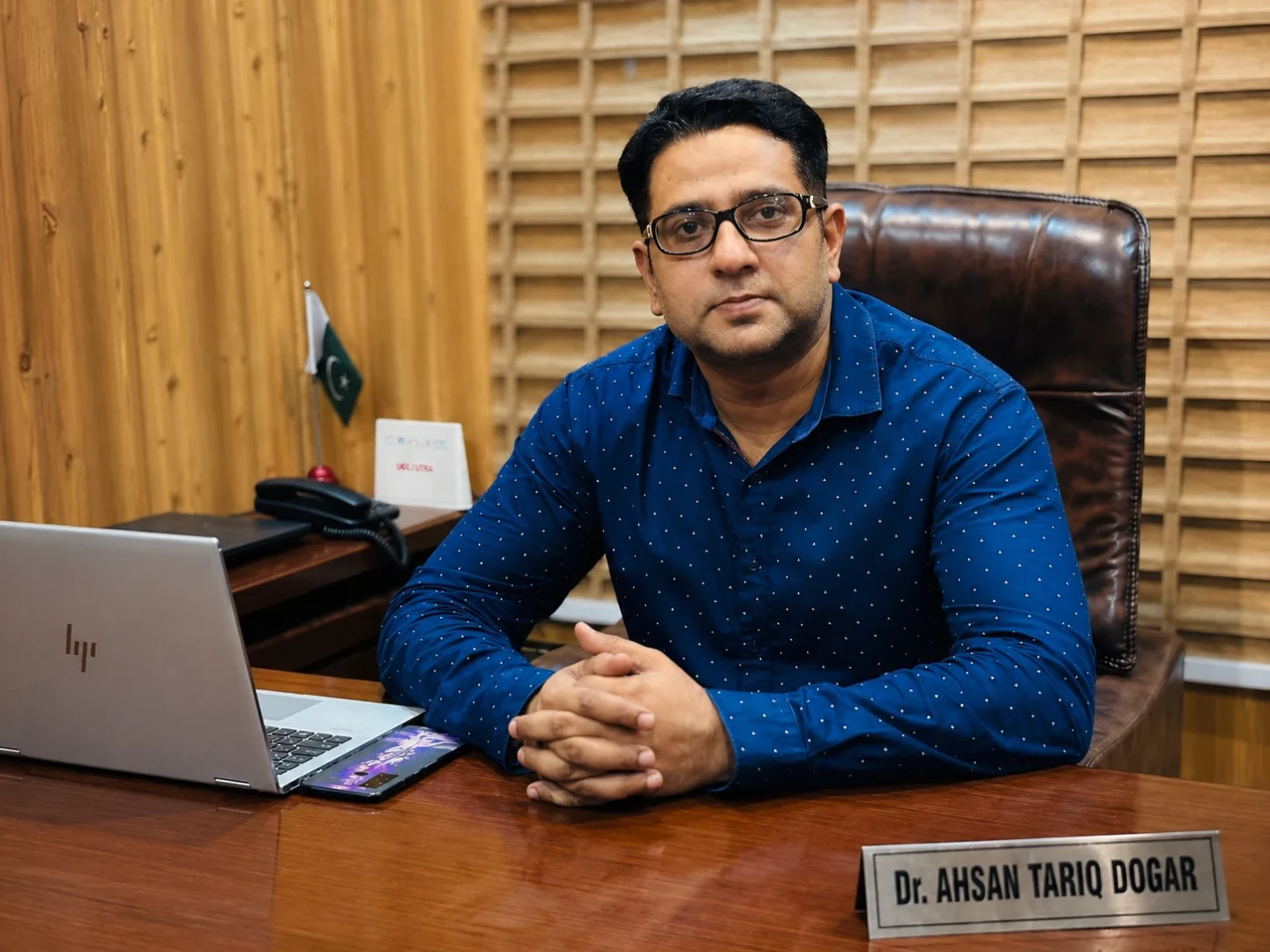
Amaim Brain Care, led by Dr. Ahsan Tariq Dogar, specializes in elite Pediatric Psychiatry. We provide highly accurate, comprehensive neuro-developmental clinical assessments to accurately diagnose ASD, clearly separating it from ADHD, Global Developmental Delay, or standard speech delays. Consultations are available at our advanced psychiatric facility in Faisalabad and via online telemedicine across Pakistan.
امیم برین کیئر فیصل آباد میں ڈاکٹر احسن طارق ڈوگر بچوں کی نفسیات کے اعلیٰ ترین ماہر ہیں۔ وہ جدید طبی ٹیسٹ اور نیورو-ڈیویلپمینٹل معائنے (Neuro-developmental assessments) کے ذریعے بچے کے دماغ کا تفصیلی جائزہ لے کر 100 فیصد درست تشخیص کرتے ہیں کہ یہ آٹزم ہے، اے ڈی ایچ ڈی (ADHD) ہے یا محض بولنے کی تاخیر۔ یہ جدید ترین سہولت ہمارے فیصل آباد کلینک اور ٹیلی میڈیسن (Telemedicine) کے ذریعے پورے پاکستان میں آن لائن موجود ہے۔
ذہنی اور نفسیاتی صحت کے مسائل کے حوالے سے بروقت طبی تشخیص اور مستند ڈاکٹر کی رہنمائی انتہائی ضروری ہے۔ اگر آپ یا آپ کا کوئی پیارا اس مسئلے کا سامنا کر رہا ہے تو مناسب علاج اور رہنمائی کے لیے مستند ماہر نفسیات سے فوری رجوع کریں۔
How can I book an appointment with Dr. Ahsan Tariq Dogar?
You can book an in-person or online neuro-psychiatric consultation via reaching out via WhatsApp at 0333-6986464 for a confidential appointment.
فیصل آباد میں کلینک وزٹ یا آن لائن مشورے کے لیے آپ عمائم برین کیئر کے آفیشل واٹس ایپ لنک کے ذریعے رابطہ کر کے اپنی اپائنٹمنٹ باآسانی بک کروا سکتے ہیں، جہاں آپ کی معلومات کو مکمل صیغہ راز میں رکھا جاتا ہے۔
Sources & References
- American Psychiatric Association. Diagnostic and Statistical Manual of Mental Disorders (DSM-5-TR).
- World Health Organization (WHO). Mental Health Guidelines & Clinical Management Protocols.
- Pakistan Psychiatric Society (PPS). Clinical Practice Standards and Regional Mental Health Guidance.
Medical & Educational Disclaimer
The medical and psychiatric information provided on Amaim Brain Care is for educational purposes only. It is not intended to replace formal in-person psychiatric diagnosis, clinical assessment, or tailored prescription therapy. If you or a loved one are experiencing acute psychological distress or symptoms of a mental health condition, please seek professional evaluation from a certified psychiatrist.