There is a profound, often misunderstood distinction in psychiatry between wanting to die and simply being entirely unable to endure the pain of living. Many patients suffering from severe Clinical Depression or Severe Anxiety confess that they do not actually want to take their own lives; they just want the crushing, relentless psychological agony in their head to stop. They secretly hope an accident will occur so they won’t have to bear the guilt of suicide. In Pakistani society, this subtle difference is entirely ignored. People either dismiss the person as “dramatic” or accuse them of a massive sin. In medical reality, this desire for the pain to stop is a highly lethal symptom of a neurochemical collapse. Whether you actively want to die, or passively wish you wouldn’t wake up tomorrow, your brain is signaling an absolute, life-threatening psychiatric emergency. When the brain’s neurochemicals like serotonin and dopamine are critically depleted, the mind loses its biological capacity to experience hope, leaving the patient trapped in a suffocating void.
نفسیات کی دنیا میں موت کی خواہش اور زندگی کے درد سے فرار ہونے میں ایک بہت گہرا اور باریک فرق ہے۔ شدید کلینکل ڈیپریشن اور خوف (Anxiety) کی بیماری میں مبتلا اکثر مریض یہ مانتے ہیں کہ وہ حقیقت میں مرنا نہیں چاہتے؛ وہ تو بس اپنے دماغ میں چلنے والے اس خوفناک اور نہ رکنے والے عذاب کو بند کرنا چاہتے ہیں۔ وہ اکثر دل میں یہ دعا کرتے ہیں کہ “کاش میرا کوئی ایکسیڈنٹ ہو جائے تاکہ مجھے خودکشی کا گناہ نہ کرنا پڑے اور میری جان بھی چھوٹ جائے”۔ پاکستانی معاشرے میں اس باریک فرق کو بالکل نہیں سمجھا جاتا۔ لوگ یا تو اسے ڈرامہ کہہ کر مسترد کر دیتے ہیں یا پھر فوراً اسے حرام قرار دے کر مریض کو مزید ڈرا دیتے ہیں۔ میڈیکل سائنس کے مطابق، درد کو روکنے کی یہ شدید خواہش دراصل دماغ کے اندر کیمیکلز (جیسے سیروٹونن اور ڈوپامین) کے بالکل تباہ ہو جانے کی علامت ہے۔ چاہے آپ باقاعدہ خودکشی کا پلان بنا رہے ہوں، یا صرف یہ دعا کر رہے ہوں کہ کل کی صبح نہ دیکھنی پڑے، دونوں صورتوں میں آپ کا دماغ موت کے کنارے پر کھڑا ہے اور یہ ایک انتہائی خطرناک میڈیکل ایمرجنسی ہے۔ جب دماغ میں یہ اہم کیمیکلز ختم ہو جاتے ہیں، تو انسان حیاتیاتی طور پر امید محسوس کرنے کے قابل نہیں رہتا۔
The Biology of Psychological Agony | نفسیاتی اور ذہنی عذاب کی سائنسی حقیقت
To truly understand why a person wishes for the pain to stop, we must look inside the brain. Clinical depression is not a moral failing or a sign of weakness; it is a severe biological disease. In a healthy brain, the prefrontal cortex governs logical reasoning, emotion regulation, and executive function. However, during a major depressive episode, the amygdala—the brain’s fear and emotional center—becomes hyperactive and inflamed. Simultaneously, essential neurotransmitters like dopamine (which provides motivation and pleasure) and serotonin (which stabilizes mood) are drastically depleted. This severe neurochemical imbalance creates a physical sensation of emotional pain that is often described as a burning or suffocating weight on the chest. The brain is essentially sounding a false alarm of constant, unbearable danger, making the patient feel that the only way to silence the alarm is to end their existence.
یہ سمجھنے کے لیے کہ انسان درد سے نجات کیوں چاہتا ہے، ہمیں دماغ کے اندر دیکھنا ہوگا۔ کلینکل ڈیپریشن کوئی اخلاقی کمزوری یا ایمان کی کمی نہیں ہے، بلکہ یہ ایک سنگین حیاتیاتی اور میڈیکل بیماری ہے۔ ایک صحت مند دماغ میں ‘پری فرنٹل کارٹیکس’ (Prefrontal Cortex) منطقی سوچ اور جذبات کو کنٹرول کرتا ہے۔ لیکن شدید ڈیپریشن میں، دماغ کا وہ حصہ جو خوف پیدا کرتا ہے یعنی ‘ایمیگڈالا’ (Amygdala)، حد سے زیادہ ایکٹو ہو جاتا ہے۔ اس کے ساتھ ساتھ، ڈوپامین اور سیروٹونن جیسے ضروری کیمیکلز تیزی سے گر جاتے ہیں۔ کیمیکلز کی یہ خطرناک کمی سینے پر ایک بوجھ اور شدید درد کا احساس پیدا کرتی ہے۔ دماغ مسلسل خطرے کی جھوٹی گھنٹی بجاتا رہتا ہے، اور مریض کو لگتا ہے کہ اس شور اور درد کو بند کرنے کا واحد راستہ اپنی جان کا خاتمہ ہے۔
The Clinical Spectrum of Suicidal Ideation | موت کی سوچ کی مختلف اور جان لیوا اقسام
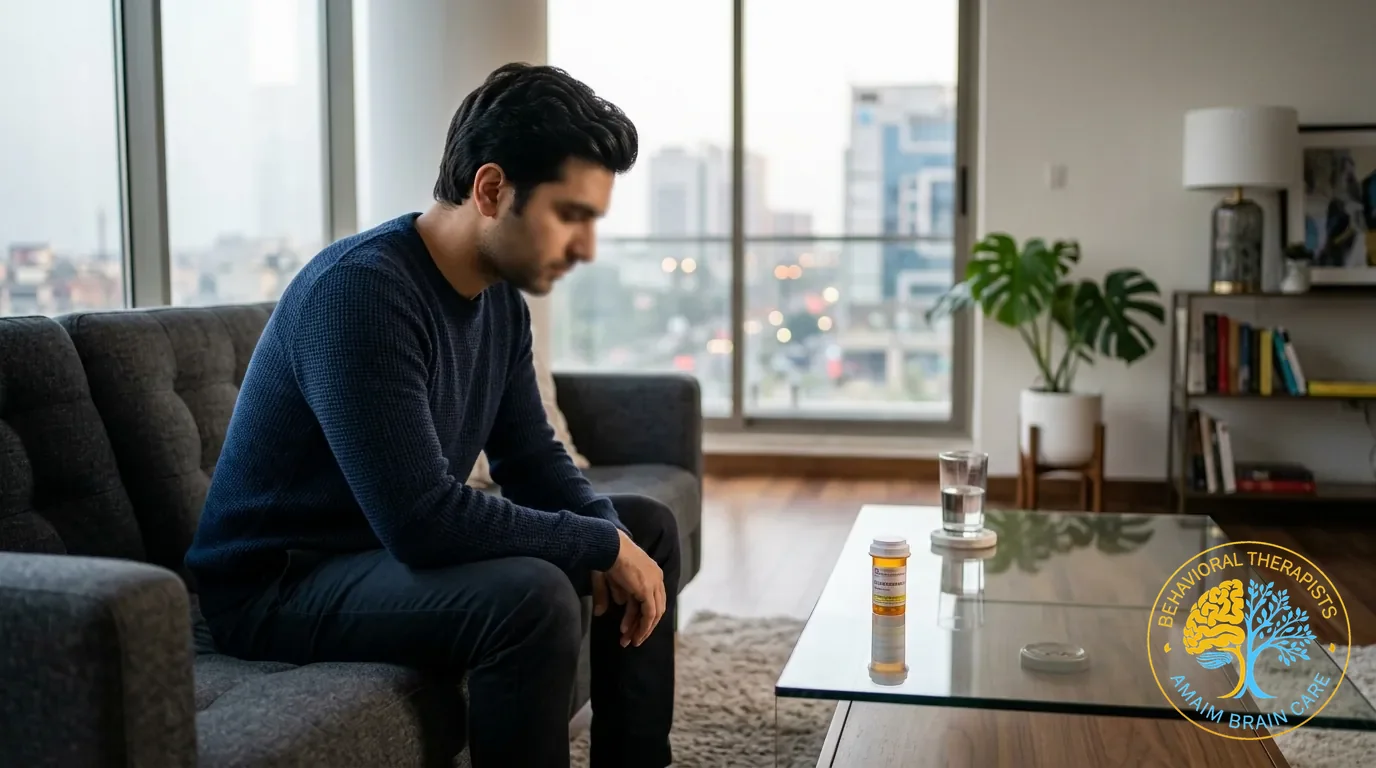
Psychiatrists categorize suicidal thoughts into two highly dangerous categories. Both indicate that the brain’s frontal lobe is failing to process emotional pain, but they require you to recognize different warning signs. It is critical for families in Pakistan to understand these signs, as early intervention can prevent an irreversible tragedy.
ماہرین نفسیات موت کی سوچ کو دو انتہائی خطرناک کیٹیگریز میں تقسیم کرتے ہیں۔ یہ دونوں قسمیں اس بات کا ثبوت ہیں کہ آپ کا دماغ اب مزید درد برداشت کرنے کے قابل نہیں رہا اور آپ کو مدد کی ضرورت ہے۔ پاکستانی خاندانوں کے لیے ان علامات کو سمجھنا بے حد ضروری ہے، کیونکہ بروقت علاج سے ایک بہت بڑے سانحے کو روکا جا سکتا ہے۔
1. Passive Suicidal Ideation: “Wanting the Pain to Stop” | موت کی پوشیدہ خواہش اور جینے سے بیزاری
Passive ideation is the feeling of absolute, crushing exhaustion. You have no specific plan to kill yourself, but you frequently think, “I wish I could just sleep and never wake up,” or “If a truck hit me right now, I wouldn’t mind.” Because there is no active plan, families and even patients themselves falsely believe there is no real danger. This is a catastrophic clinical mistake. Passive ideation means the brain is standing on the edge of the cliff. The psychological pain is so massive that the biological instinct to survive has been entirely eroded. In Pakistan, patients experiencing passive suicidal thoughts are often met with harsh invalidation. Family members might say, “You have everything, why are you ungrateful?” or “Pray more, your faith is weak.” This stigma only deepens the patient’s despair, driving them further into isolation. In reality, passive suicidal thoughts are a massive red flag indicating that the brain’s stress-response system is completely overwhelmed.
اس کیفیت میں انسان خودکشی کا کوئی باقاعدہ پلان نہیں بناتا، لیکن وہ اندر سے اتنا ٹوٹ چکا ہوتا ہے کہ وہ اکثر سوچتا ہے، “کاش میں سو جاؤں اور کبھی نہ اٹھوں”، یا “اگر ابھی کوئی گاڑی مجھے ٹکر مار دے تو کتنا اچھا ہو”۔ چونکہ اس میں کوئی پلان نہیں ہوتا، اس لیے مریض اور گھر والے غلطی سے یہ سمجھتے ہیں کہ ابھی کوئی خطرہ نہیں ہے۔ یہ ایک بہت بڑی اور جان لیوا غلط فہمی ہے۔ یہ موت کی وہ پوشیدہ خواہش ہے جس کا مطلب ہے کہ انسان بالکل کھائی کے کنارے پر کھڑا ہے۔ درد اتنا زیادہ ہو چکا ہے کہ زندگی سے پیار بالکل مر گیا ہے۔ پاکستان میں، ایسے مریضوں کو اکثر طعنے دیے جاتے ہیں کہ “تمہارے پاس تو سب کچھ ہے، تم ناشکرے ہو” یا “نماز پڑھو، تمہارا ایمان کمزور ہے”۔ یہ باتیں مریض کو مزید مایوسی اور اکیلے پن میں دھکیل دیتی ہیں۔ حقیقت میں، جینے سے بیزاری کی یہ سوچ اس بات کی سرخ جھنڈی ہے کہ آپ کے دماغ کا سسٹم پوری طرح فیل ہو چکا ہے۔
2. Active Suicidal Ideation: The Imminent Crisis | موت کی باقاعدہ پلاننگ اور تیاری
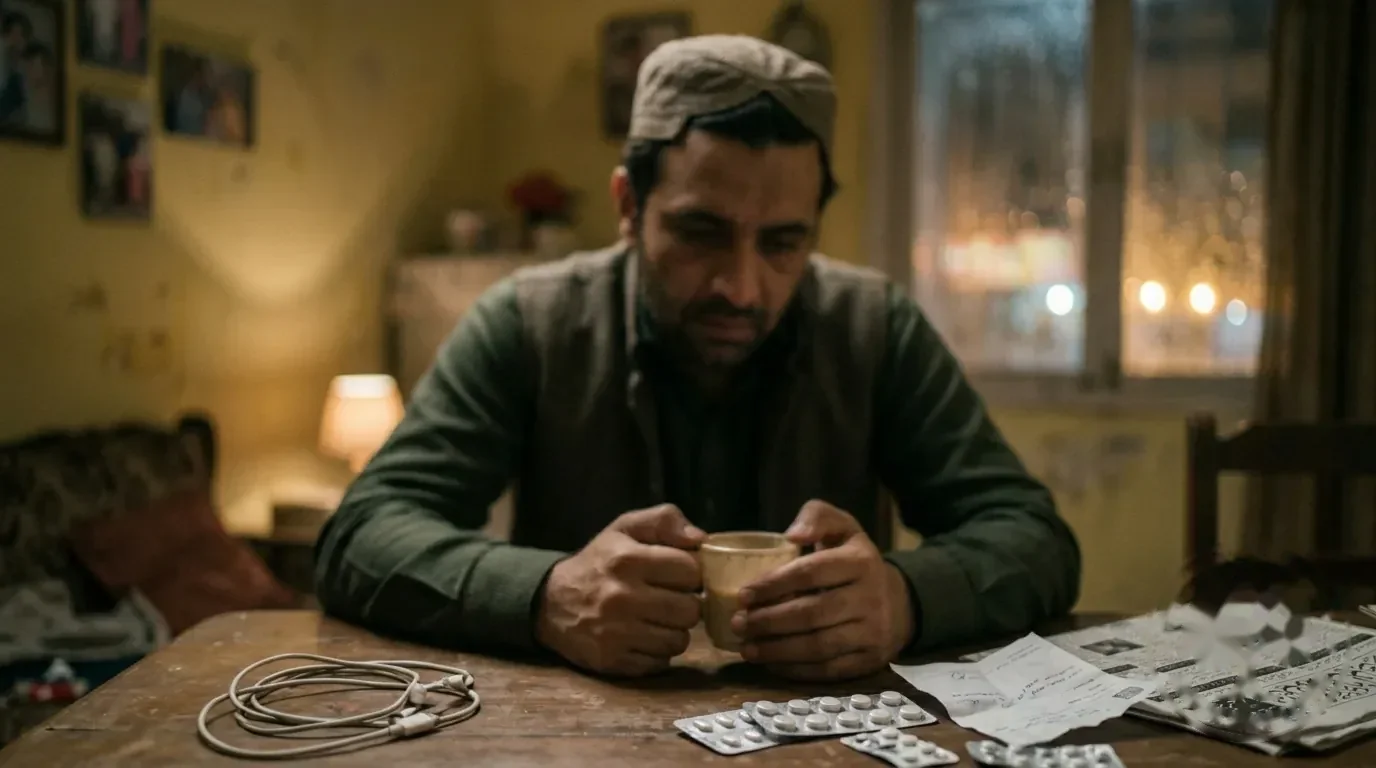
Active ideation occurs when the “passive” desire to escape pain mutates into a specific, actionable plan. The patient starts researching methods, hoarding pills, or writing goodbye letters. In this stage, the brain’s executive function is completely hijacked by the psychiatric illness. The brain genuinely, albeit falsely, believes that death is the only logical solution to the chemical agony it is experiencing. The prefrontal cortex is no longer able to rationalize the future, making the individual blind to the devastation they will leave behind. This is a “Code Red” medical emergency. The patient requires immediate, physical intervention to prevent a tragedy. Do not attempt to guilt-trip or shame someone in this state; their brain is incapable of processing logic. They need acute psychiatric care to stabilize their neurochemistry.
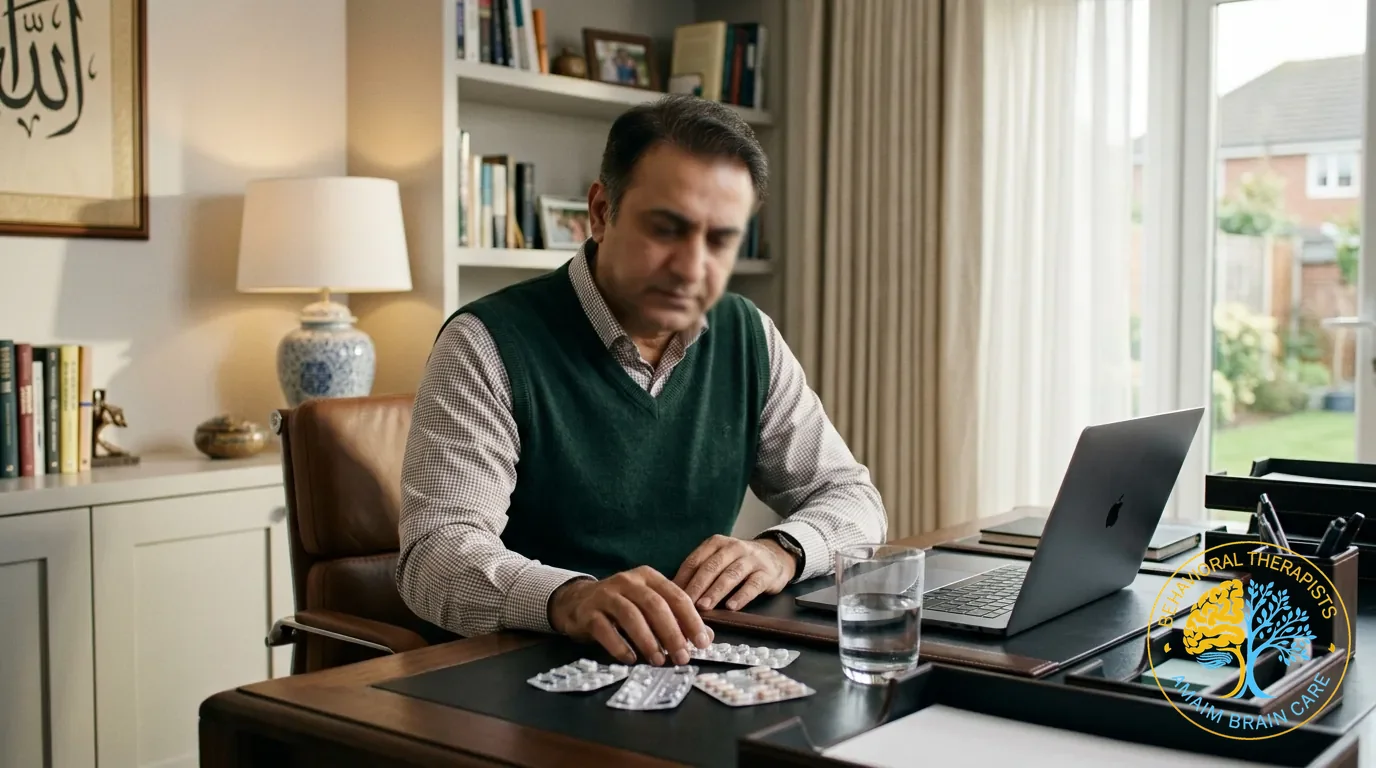
جب درد سے بچنے کی وہ پوشیدہ خواہش باقاعدہ ایک پلان کی شکل اختیار کر لے، تو اسے ‘Active Ideation’ کہتے ہیں۔ مریض خودکشی کے طریقے ڈھونڈنے لگتا ہے، دوائیاں جمع کرتا ہے یا آخری خط لکھتا ہے۔ اس سٹیج پر بیماری نے دماغ کو پوری طرح اغوا کر لیا ہوتا ہے۔ دماغ کو 100 فیصد یہ جھوٹا یقین ہو جاتا ہے کہ اب اس عذاب سے نکلنے کا واحد راستہ صرف موت ہے۔ دماغ کا اگلا حصہ (Prefrontal Cortex) مستقبل کے بارے میں سوچنے کی صلاحیت کھو دیتا ہے۔ یہ ایک انتہائی خطرناک ایمرجنسی ہے جس میں مریض کی جان بچانے کے لیے فوراً طبی امداد کی ضرورت ہے۔ اس حالت میں مریض کو شرمندہ کرنا یا گناہ کا احساس دلانا بالکل بے کار ہے کیونکہ ان کا دماغ منطق سمجھنے کے قابل نہیں ہوتا۔ انہیں فوراً ماہرِ نفسیات کی ضرورت ہوتی ہے تاکہ ان کے دماغ کے کیمیکلز کو مستحکم کیا جا سکے۔
The Clinical Antidote: Psychiatric Eradication of Pain | درد کو جڑ سے ختم کرنے کا سائنسی علاج
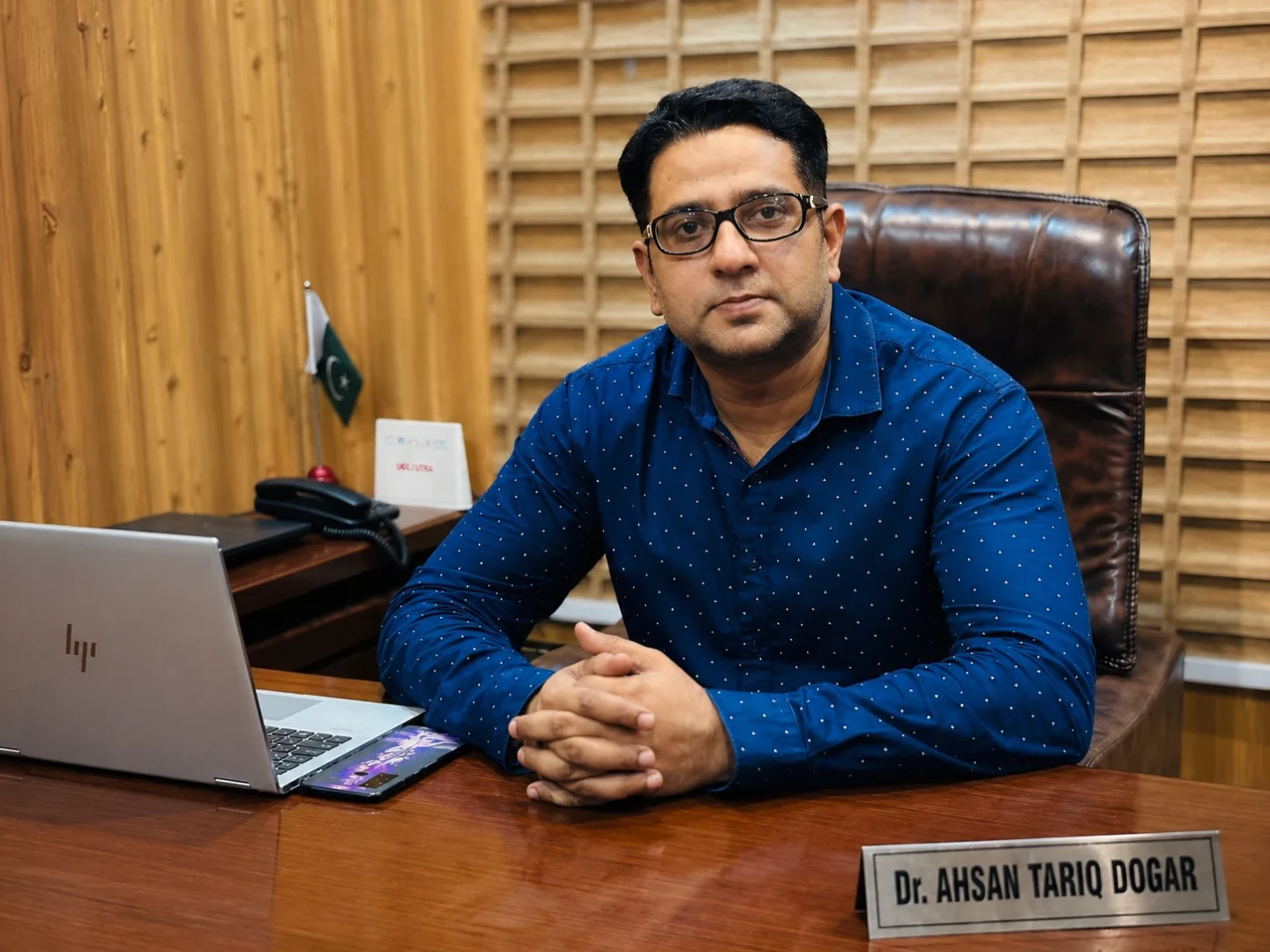
The tragic irony of suicidal ideation is that the patient believes they must die to escape the pain, completely unaware that modern psychiatric medicine can eradicate the exact same pain in a matter of weeks. You do not need to die; you need elite, targeted psychopharmacology from an expert like Dr. Ahsan Tariq Dogar. The agonizing “black hole” you feel is physically caused by severe serotonin and noradrenaline depletion. Modern evidence-based treatments, such as SSRIs (Selective Serotonin Reuptake Inhibitors) and SNRIs (Serotonin-Norepinephrine Reuptake Inhibitors), act as a chemical cast for your broken brain. As the medication restores the neurochemistry, the psychological pain rapidly evaporates.
Furthermore, clinical recovery is vastly accelerated when medications are combined with evidence-based psychotherapies. Techniques like Cognitive Behavioral Therapy (CBT) help rewire the brain’s faulty neural pathways, teaching the prefrontal cortex how to regulate the hyperactive amygdala. For anxiety-driven despair, systematic Exposure Therapy can dramatically reduce the intense fear responses that make life unbearable. These are not just “talking sessions”; they are scientifically proven methods to induce neuroplasticity—literally reshaping your brain to sustain happiness and resilience. You do not just survive; you completely regain your natural, joyful will to live.
خودکشی کی سوچ کی سب سے بڑی ٹریجڈی اور دکھ یہ ہے کہ مریض کو لگتا ہے کہ اس درد سے بچنے کے لیے اسے مرنا پڑے گا، جبکہ اسے یہ معلوم ہی نہیں ہوتا کہ دماغی ڈاکٹر کی جدید ادویات اسی درد کو چند ہفتوں میں ہمیشہ کے لیے ختم کر سکتی ہیں۔ آپ کو درد ختم کرنے کے لیے مرنے کی ضرورت نہیں؛ آپ کو صرف ڈاکٹر احسن طارق ڈوگر جیسے ماہر امراضِ نفسیات کی ضرورت ہے۔ آپ کے اندر جو موت کا اندھیرا ہے، وہ دراصل دماغ میں کیمیکلز کے ختم ہونے کی وجہ سے ہے۔ جدید ادویات جیسے SSRIs اور SNRIs آپ کے ٹوٹے ہوئے دماغ پر پلاسٹر کا کام کرتی ہیں۔ جیسے ہی یہ دوائی آپ کے دماغ کی نالیوں کو ٹھیک کرتی ہے، وہ ناقابلِ برداشت درد جادو کی طرح غائب ہو جاتا ہے۔
اس کے علاوہ، جب ادویات کے ساتھ جدید تھراپیز (جیسے Cognitive Behavioral Therapy یا CBT) کو ملایا جاتا ہے، تو ریکوری کی رفتار بہت تیز ہو جاتی ہے۔ سی بی ٹی (CBT) اور ایکسپوژر تھراپی (Exposure Therapy) جیسے سائنسی طریقے دماغ کی غلط تاروں کو دوبارہ جوڑنے میں مدد کرتے ہیں۔ یہ صرف “بات چیت” نہیں ہے، بلکہ یہ دماغ کی ساخت کو بدلنے (Neuroplasticity) کا ثابت شدہ سائنسی طریقہ ہے، جو آپ کو دوبارہ مضبوط اور خوش باش انسان بناتا ہے۔ علاج کے بعد آپ صرف زندہ نہیں رہتے، بلکہ آپ کو زندگی دوبارہ اتنی ہی خوبصورت لگنے لگتی ہے جتنی بیماری سے پہلے تھی۔
Frequently Asked Questions
I never plan to kill myself, but I pray every night that I don’t wake up. Do I really need a doctor? | میں خودکشی کا کوئی پلان نہیں بناتا، لیکن میں روز رات کو دعا کر کے سوتا ہوں کہ مجھے صبح نہ دیکھنی پڑے۔ کیا مجھے واقعی ڈاکٹر کی ضرورت ہے؟
Yes, absolutely. You are suffering from “Passive Suicidal Ideation,” which is a hallmark symptom of severe, late-stage Clinical Depression. Your brain is entirely exhausted and has lost its biological will to live. This is incredibly dangerous because a single, highly stressful event can instantly turn this “passive” wish into an “active,” lethal action. You urgently require psychiatric medication, such as SSRIs, to restore your brain’s resilience and neurotransmitter balance before a crisis happens.
جی ہاں، سو فیصد۔ آپ ‘موت کی پوشیدہ خواہش’ (Passive Suicidal Ideation) کا شکار ہیں، جو کہ شدید ترین ڈیپریشن کی آخری سٹیج کی علامت ہے۔ آپ کا دماغ اتنا تھک چکا ہے کہ اس نے جینے کی امید چھوڑ دی ہے۔ یہ کیفیت انتہائی خطرناک ہے کیونکہ اگر اس حالت میں آپ کو کوئی بھی ذرا سی پریشانی ملی، تو یہ پوشیدہ خواہش فوراً ایک باقاعدہ خودکشی میں بدل سکتی ہے۔ اس سے پہلے کہ کوئی جان لیوا حادثہ ہو جائے، آپ کو فوراً ماہرِ نفسیات کی دوائی شروع کرنی چاہیے تاکہ دماغ کو دوبارہ طاقت مل سکے۔
Why do I feel so guilty for wanting the pain to stop, even though I know suicide is wrong? | مجھے معلوم ہے خودکشی گناہ ہے، پھر بھی میں درد سے بچنے کے لیے موت مانگتا ہوں اور پھر مجھے شدید احساسِ جرم ہوتا ہے۔ ایسا کیوں ہے؟
Because Clinical Depression actively generates a symptom called “Pathological Guilt.” Your brain is essentially attacking itself. The severe illness makes the pain unbearable (causing the suicidal thought), and then the exact same illness heavily punishes you with guilt for having that thought. In Pakistan, religious stigma often multiplies this guilt, making patients feel they have failed their faith. It is a vicious, inescapable chemical trap. The only way to break this agonizing loop is through targeted psychiatric medical intervention and cognitive restructuring via CBT.
کیونکہ ڈیپریشن کی بیماری جان بوجھ کر دماغ میں ایک خطرناک کیمیکل پیدا کرتی ہے جو بلاوجہ کا شدید احساسِ جرم (Pathological Guilt) پیدا کرتا ہے۔ آپ کا دماغ دراصل اپنے آپ پر حملہ کر رہا ہے۔ یہ بیماری پہلے آپ کو ناقابلِ برداشت درد دے کر موت مانگنے پر مجبور کرتی ہے، اور پھر اسی سوچ پر آپ کو کٹہرے میں کھڑا کر کے شدید احساسِ جرم کی سزا دیتی ہے۔ ہمارے معاشرے میں مذہبی دباؤ اس احساس کو مزید بڑھا دیتا ہے۔ اس کیمیکل کے جال سے نکلنے کا واحد راستہ صرف اور صرف ماہر نفسیات کی جدید دوائی اور سی بی ٹی (CBT) تھراپی ہے۔
If I tell my family I just want the pain to stop, they tell me to “be strong.” Why doesn’t that help? | اگر میں گھر والوں کو بتاؤں کہ مجھ سے یہ عذاب برداشت نہیں ہو رہا، تو وہ کہتے ہیں “مضبوط بنو، ہمت کرو”۔ مجھے اس سے تسلی کیوں نہیں ملتی؟
Because “being strong” requires the neurotransmitters Dopamine and Serotonin, which your diseased brain is completely lacking right now. Telling a depressed person to “be strong” is exactly like telling a person with a broken leg to “just run faster.” It is biologically impossible and only increases your feelings of failure. You need medical treatment to physically fix the brain organ, not motivational speeches. Professional treatment restores the brain’s baseline, allowing you to gradually regain your emotional strength.
کیونکہ “مضبوط بننے” کے لیے دماغ کو ڈوپامین اور سیروٹونن جیسے کیمیکلز کی ضرورت ہوتی ہے، جو اس وقت بیماری کی وجہ سے آپ کے دماغ میں بالکل ختم ہو چکے ہیں۔ ایک ڈیپریشن کے مریض کو ہمت کرنے کا کہنا بالکل ایسا ہے جیسے کسی ٹوٹی ٹانگ والے کو کہا جائے کہ “تیز بھاگو”۔ یہ جسمانی طور پر ناممکن ہے اور اس سے مریض الٹا مزید احساسِ کمتری کا شکار ہو جاتا ہے۔ آپ کو تقاریر یا نصیحتوں کی نہیں، بلکہ دماغ کو جوڑنے والی سائنسی دوائی کی ضرورت ہے۔
Can anti-depressants really take away the feeling that death is the only solution? | کیا واقعی ڈیپریشن کی دوائیاں کھانے سے یہ احساس ختم ہو جاتا ہے کہ موت کے علاوہ میرے پاس کوئی راستہ نہیں؟
Yes, definitively. The belief that “death is the only solution” is not a logical fact; it is a clinical delusion directly caused by the severe neurochemical collapse in your brain’s frontal lobe. When advanced psychiatric medication restores your serotonin levels, that specific delusion physically disappears. You regain your cognitive clarity and realize there are many beautiful ways to live once the pain is gone. Medication acts to stop the emotional bleeding, allowing targeted therapy to heal the underlying wounds.
جی ہاں، بالکل۔ یہ سوچ کہ “موت کے علاوہ کوئی راستہ نہیں”، کوئی حقیقت یا سچ نہیں ہے؛ بلکہ یہ آپ کے بیمار دماغ کا پیدا کردہ ایک خطرناک وہم ہے۔ جب ماہر ڈاکٹر کی جدید دوائی آپ کے دماغ میں کیمیکلز کا بیلنس درست کرتی ہے، تو یہ موت والا وہم جڑ سے غائب ہو جاتا ہے۔ آپ کا دماغ دوبارہ کھلتا ہے اور درد ختم ہونے کے بعد آپ کو خود نظر آتا ہے کہ زندگی جینے کے ہزار خوبصورت راستے موجود ہیں۔ دوائی دماغ کے بہتے ہوئے زخم کو روکتی ہے تاکہ تھراپی اسے مکمل طور پر بھر سکے۔
Where in Pakistan can I get strictly confidential help if I am terrified of these thoughts? | اگر میں اپنی ان خوفناک سوچوں کی وجہ سے شدید ڈرا ہوا ہوں، تو پاکستان میں مجھے 100 فیصد رازدارانہ علاج کہاں سے ملے گا؟
Amaim Brain Care, led by Dr. Ahsan Tariq Dogar, provides elite, non-judgmental, and absolutely confidential psychiatric care for severe depression and suicidal ideation. We understand the sheer terror of these thoughts and treat them strictly as a curable biological emergency, not a moral failure. You can access our life-saving medical treatment at our Faisalabad clinic or completely privately via online telepsychiatry across Pakistan.
امیم برین کیئر فیصل آباد میں ڈاکٹر احسن طارق ڈوگر کی زیر نگرانی ان ڈراؤنی سوچوں اور شدید ڈیپریشن کا سو فیصد خفیہ اور عالمی معیار کا علاج کیا جاتا ہے۔ ہم آپ کے اس خوف کو سمجھتے ہیں اور اسے کوئی گناہ نہیں بلکہ ایک قابلِ علاج ایمرجنسی قرار دیتے ہیں۔ آپ کی پہچان کو بالکل راز میں رکھ کر کیا جانے والا یہ سائنسی علاج کلینک کے ساتھ ساتھ آن لائن ویڈیو کنسلٹیشن کے ذریعے پورے پاکستان میں دستیاب ہے۔
How can I book an appointment with Dr. Ahsan Tariq Dogar?
You can book an in-person or online neuro-psychiatric consultation via reaching out via WhatsApp at 0333-6986464 for a confidential appointment.
فیصل آباد میں کلینک وزٹ یا آن لائن مشورے کے لیے آپ عمائم برین کیئر کے آفیشل واٹس ایپ لنک کے ذریعے رابطہ کر کے اپنی اپائنٹمنٹ باآسانی بک کروا سکتے ہیں، جہاں آپ کی معلومات کو مکمل صیغہ راز میں رکھا جاتا ہے۔
Sources & References
- American Psychiatric Association. Diagnostic and Statistical Manual of Mental Disorders (DSM-5-TR).
- World Health Organization (WHO). Mental Health Guidelines & Clinical Management Protocols.
- Pakistan Psychiatric Society (PPS). Clinical Practice Standards and Regional Mental Health Guidance.
Medical & Educational Disclaimer
The medical and psychiatric information provided on Amaim Brain Care is for educational purposes only. It is not intended to replace formal in-person psychiatric diagnosis, clinical assessment, or tailored prescription therapy. If you or a loved one are experiencing acute psychological distress or symptoms of a mental health condition, please seek professional evaluation from a certified psychiatrist.