In Pakistan, Conversion Disorder (frequently referred to colloquially and inaccurately as “Hysteria” or “Douray” or “Jinn ka Saya”) is one of the most culturally misunderstood and drastically mismanaged psychiatric emergencies. When a young woman or individual suddenly collapses, begins convulsing, loses their voice, or experiences sudden paralysis without any physical disease, society rapidly labels it as demonic possession (Jinn), the evil eye (Nazar), or simply intentional acting to gain attention or manipulate family dynamics. This deeply rooted cultural stigmatization causes immense suffering. In clinical reality, Conversion Disorder—scientifically classified under somatic symptom and related disorders—is a severe, involuntary neuro-psychiatric condition. The patient is absolutely not faking the symptoms; their distress is profoundly genuine. It occurs when the central nervous system becomes completely overwhelmed by an unbearable psychological trauma, extreme socio-environmental stress, or chronic abuse. The brain literally “converts” that agonizing emotional pain into very real, physical neurological deficits. Neurobiologically, this process involves a complex disruption in the communication pathways between the emotion-processing centers of the brain, such as the amygdala and limbic system, and the motor and sensory cortices. Neurochemicals like dopamine and serotonin often become dysregulated, leading to a profound disconnect in the neural circuitry.
پاکستان میں کنورژن ڈس آرڈر (جسے عام زبان میں غلطی سے “ہسٹیریا”، “دورے پڑنا” یا “جنات کا سایہ” کہا جاتا ہے) سب سے زیادہ غلط سمجھی جانے والی اور خطرناک حد تک غلط علاج کی جانے والی نفسیاتی ایمرجنسی ہے۔ جب کوئی جوان لڑکی یا کوئی بھی فرد اچانک بے ہوش ہو جائے، اس کے ہاتھ پاؤں مڑنے لگیں، اس کی آواز چلی جائے یا وہ اچانک فالج کا شکار ہو جائے جبکہ اس کے تمام جسمانی ٹیسٹ بالکل ٹھیک ہوں، تو ہمارا معاشرہ فوراً اسے جنات کا سایہ، نظرِ بد یا پھر محض “توجہ حاصل کرنے کا ڈرامہ” یا گھریلو بلیک میلنگ قرار دے دیتا ہے۔ یہ ثقافتی غلط فہمی مریض کے لیے انتہائی اذیت ناک ہوتی ہے۔ طبی حقیقت میں یہ کوئی ڈرامہ یا اداکاری نہیں ہے۔ مریض بالکل سچ میں اس جسمانی اذیت سے گزر رہا ہوتا ہے۔ کنورژن ڈس آرڈر اس وقت ہوتا ہے جب انسان کا دماغ کسی انتہائی خوفناک صدمے، حد سے زیادہ ذہنی دباؤ، یا مسلسل زیادتی کو برداشت کرنے میں فیل ہو جاتا ہے، اور دماغ اس ناقابل برداشت جذباتی درد کو سیدھا ایک سچی جسمانی بیماری (جیسے فالج یا دورے) میں تبدیل کر دیتا ہے۔ سائنسی لحاظ سے، دماغ کے جذبات کنٹرول کرنے والے حصوں (جیسے ایمگڈالا) اور جسم کو حرکت دینے والے حصوں کے درمیان رابطہ ٹوٹ جاتا ہے۔ ڈوپامائن اور سیروٹونن جیسے کیمیکلز کا توازن بگڑ جاتا ہے جس کی وجہ سے یہ شدید علامات ظاہر ہوتی ہیں۔
The Clinical Architecture and Neurobiology of Conversion Disorder | کنورژن ڈس آرڈر کی طبی علامات اور دماغی سائنس
The defining characteristic of Conversion Disorder is the presentation of severe neurological symptoms that cannot be explained by any organic neurological disease, such as structural brain lesions, true epilepsy, or an ischemic stroke. However, the suffering is 100% real and incapacitating. Modern neuroimaging functional studies, such as fMRI (functional Magnetic Resonance Imaging), have demonstrated abnormal blood flow and reduced activation in the prefrontal cortex—the brain area responsible for conscious regulation and logical processing. At the same time, the amygdala, which processes fear and anxiety, becomes hyperactive. This neurobiological mismatch means the brain’s subconscious defense mechanisms override conscious motor or sensory control. In Pakistan, the manifestations of these neural circuit disruptions often take specific cultural forms, heavily influenced by societal expectations and suppressed emotions.
اس بیماری کی سب سے بڑی اور اہم پہچان یہ ہے کہ مریض کو بالکل اعصابی بیماریوں (جیسے مرگی، دماغی رسولی یا فالج) جیسی شدید علامات ظاہر ہوتی ہیں، لیکن ایم آر آئی (MRI) اور دیگر میڈیکل ٹیسٹ میں جسم کے اندر کوئی خرابی نہیں نکلتی۔ اس کے باوجود، مریض کی تکلیف سو فیصد حقیقی اور جان لیوا حد تک شدید ہوتی ہے۔ جدید سائنسی تحقیق (جیسے دماغ کے فنکشنل سکین) سے ثابت ہوا ہے کہ ایسے مریضوں کے دماغ کے اگلے حصے (Prefrontal Cortex) میں خون کی گردش کم ہو جاتی ہے، جو سوچنے سمجھنے کا مرکز ہے۔ جبکہ خوف پیدا کرنے والا حصہ (Amygdala) بہت زیادہ ایکٹو ہو جاتا ہے۔ اس سائنسی بگاڑ کا مطلب یہ ہے کہ دماغ لاشعوری طور پر خود کو بچانے کے لیے جسم کے اعصاب کا کنٹرول اپنے ہاتھ میں لے لیتا ہے۔ پاکستان میں اس بیماری کی علامات عموماً ہمارے معاشرتی دباؤ اور دبی ہوئی خواہشات کے نتیجے میں مختلف شکلوں میں ظاہر ہوتی ہیں۔
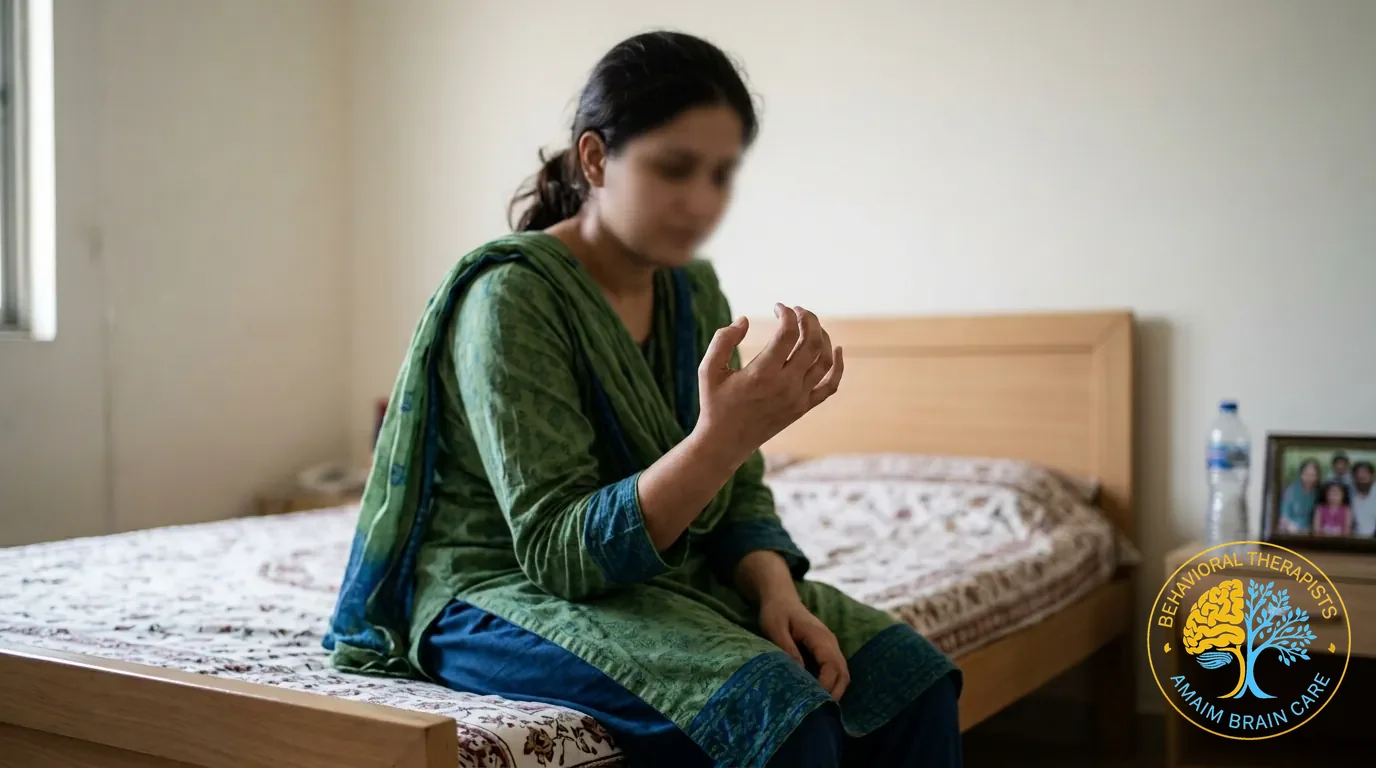
1. Psychogenic Non-Epileptic Seizures (PNES) | دماغی دباؤ کے دورے (جھوٹی مرگی)
This is overwhelmingly the most common presentation in Pakistan. The patient aggressively thrashes, violently shakes, arches their back, or completely collapses, closely mimicking a severe epileptic grand mal seizure. Family members often panic, assuming it is a life-threatening neurological event or a demonic attack. However, unlike true epilepsy, there is no abnormal electrical storm discharging in the cortex. An Electroencephalogram (EEG) will be entirely normal during the episode. Furthermore, the patient rarely severely injures themselves during the fall, rarely loses bowel or bladder control, and their eyes are often tightly forced shut, resisting attempts to open them. These features indicate the brain is subconsciously protecting the body while simultaneously venting massive internal psychological pressure. These episodes are frequently triggered by acute conflict, such as a severe argument with in-laws, academic failure, or suppressed Severe Anxiety and trauma.
پاکستان میں یہ سب سے زیادہ پائی جانے والی علامت ہے۔ مریض اچانک گر جاتا ہے، اس کے ہاتھ پاؤں بری طرح اکڑ جاتے ہیں، جسم کمان کی طرح مڑ جاتا ہے یا شدید جھٹکے کھاتے ہیں، جو بالکل اصلی مرگی کے بڑے دورے کی طرح لگتا ہے۔ گھر والے اکثر خوفزدہ ہو جاتے ہیں کہ شاید یہ جان لیوا دورہ ہے یا کسی جن کا حملہ ہے۔ لیکن اصل مرگی کے برعکس، ان مریضوں کے دماغ میں کوئی کرنٹ شارٹ نہیں ہوتا۔ دورے کے دوران ان کا دماغی ٹیسٹ (EEG) بالکل نارمل آتا ہے۔ مزید یہ کہ دورے کے دوران ان کا پیشاب یا پاخانہ خطا نہیں ہوتا، اور گرتے وقت انہیں کوئی شدید چوٹ نہیں لگتی کیونکہ دماغ لاشعوری طور پر جسم کی حفاظت کر رہا ہوتا ہے۔ مریض اکثر اپنی آنکھیں زور سے بند رکھتا ہے۔ یہ دورے عام طور پر کسی شدید جھگڑے (جیسے سسرال میں جھگڑا)، امتحانات میں ناکامی، یا اندرونی شدید اینگزائٹی (Anxiety) اور صدمے کے فوراً بعد متحرک ہوتے ہیں۔ دماغ دراصل اندر کے شدید دباؤ کو دورے کی شکل میں باہر نکال رہا ہوتا ہے۔
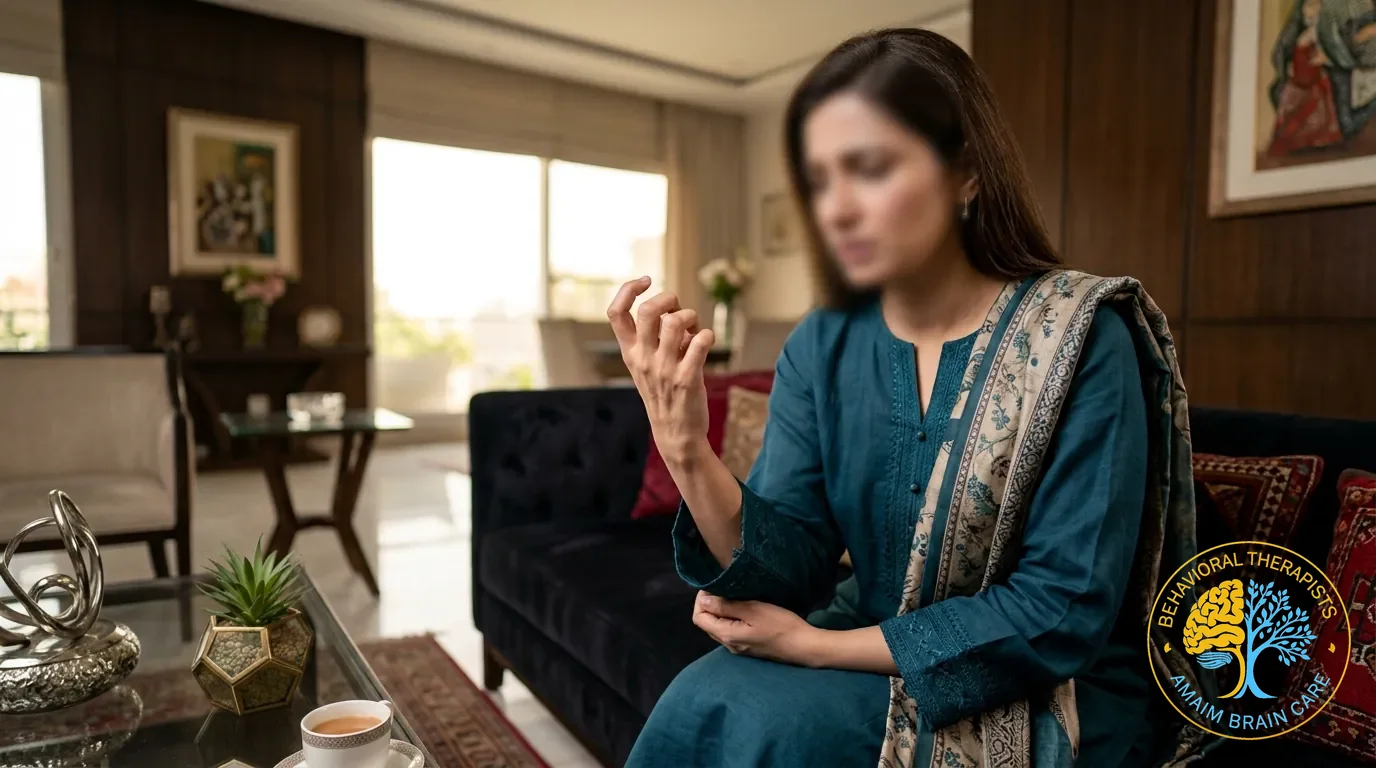
2. Motor Deficits, Tremors, and Functional Paralysis | اچانک فالج، جھٹکے یا جسم کا کام چھوڑ دینا
A patient may wake up completely unable to move their legs (functional paraplegia) or experience severe, uncontrollable resting or action tremors in their upper extremities. They might drag one leg or completely lose coordination (ataxia). Physically and structurally, the muscles, spinal cord, and peripheral nerves are absolutely perfect. There is no denervation or demyelination. However, the brain has neurologically cut the signal pathway to the limbs as a subconscious, profound defense mechanism against a reality that is too painful to face. For instance, a young woman facing a forced, unwanted marriage may subconsciously develop functional paralysis in her legs—her brain’s literal manifestation of her inability to “walk down the aisle” or escape her agonizing situation. It is a physical manifestation of feeling entirely trapped.
مریض کی صبح آنکھ کھلتی ہے تو اس کی ٹانگیں بالکل کام نہیں کر رہی ہوتیں (جیسے مکمل فالج ہو گیا ہو)، یا ہاتھوں میں شدید اور بے قابو کپکپاہٹ شروع ہو جاتی ہے۔ وہ چلتے ہوئے ایک ٹانگ گھسیٹ سکتے ہیں یا اپنا توازن کھو سکتے ہیں۔ ان کے پٹھے، ریڑھ کی ہڈی اور نسیں جسمانی اور سائنسی لحاظ سے بالکل ٹھیک ہوتی ہیں۔ ان میں کوئی کمزوری نہیں ہوتی۔ لیکن کسی شدید صدمے، خوف یا ایسی حقیقت سے بچنے کے لیے جسے برداشت کرنا ناممکن ہو، دماغ نے لاشعوری طور پر ٹانگوں یا ہاتھوں کی طرف سگنل بھیجنا بند کر دیا ہوتا ہے۔ مثال کے طور پر، اگر کسی جوان لڑکی کی زبردستی شادی کی جا رہی ہو جسے وہ دل سے قبول نہیں کرنا چاہتی، تو اس کا دماغ لاشعوری طور پر اس کی ٹانگوں کو مفلوج کر سکتا ہے۔ یہ دراصل اس کے دماغ کا یہ کہنے کا طریقہ ہے کہ وہ اس رشتے کی طرف “چل کر” نہیں جا سکتی۔ یہ بے بسی اور قید کے احساس کی جسمانی شکل ہے۔
3. Sensory Deficits: Blindness, Mutism, and Deafness | اچانک اندھا پن، گونگا ہو جانا یا بہرہ پن
The brain possesses extraordinary capabilities to abruptly shut down sensory input to protect the fragile psyche from complete fragmentation. A patient who witnessed a horrific accident, sudden death of a loved one, or endured severe domestic violence may suddenly develop “functional blindness” (entirely unable to see despite structurally perfect ocular anatomy and intact optic nerves) or “aphonia” (suddenly unable to speak above a faint whisper, or becoming completely mute). Sometimes, they may develop sudden anesthesia in specific body parts (loss of pain sensation) in a “glove and stocking” distribution that does not align with actual neurological nerve pathways. This psychological phenomenon acts as a circuit breaker; the mind simply refuses to see, hear, or speak about the unbearable trauma it has been exposed to.
انسانی دماغ میں یہ حیرت انگیز صلاحیت موجود ہے کہ وہ کسی بھیانک صدمے سے خود کو پاگل ہونے سے بچانے کے لیے حواس کو بھی بند کر سکتا ہے۔ اگر کسی نے کوئی انتہائی خوفناک حادثہ دیکھا ہو، کسی پیارے کی اچانک موت دیکھی ہو، یا گھر میں بدترین تشدد برداشت کیا ہو، تو وہ اچانک اندھے پن کا شکار ہو سکتے ہیں (آنکھیں اور بینائی کی نسیں بالکل ٹھیک ہونے کے باوجود کچھ نظر نہیں آتا) یا پھر ان کی آواز بالکل بند ہو سکتی ہے (وہ مکمل گونگے ہو جاتے ہیں یا صرف سرگوشی کر سکتے ہیں)۔ بعض اوقات ان کے جسم کے کسی حصے میں درد محسوس کرنے کی حس بھی ختم ہو جاتی ہے۔ یہ نفسیاتی عمل ایک “سرکٹ بریکر” کی طرح کام کرتا ہے؛ دماغ دراصل اس ناقابل برداشت صدمے کو مزید دیکھنے، سننے یا اس کے بارے میں بولنے سے انکار کر دیتا ہے جس سے وہ گزرا ہے۔
The Imperative for Expert Psychiatric and Neuro-Pharmacological Treatment | ماہرانہ نفسیاتی علاج کی اشد ضرورت
In a country like Pakistan, the management of Conversion Disorder is plagued by traditional myths and medical malpractices. Taking a patient to spiritual healers (Aamils) to be beaten, chained, or exorcised is not only scientifically baseless but profoundly abusive. Such practices deeply traumatize the already vulnerable patient. Similarly, forcing general physicians to administer unnecessary intravenous “drips” or heavy sedatives is medically futile and does not address the root neurobiological cause. Slapping the patient, splashing freezing water on them, or aggressively trying to “wake them up” will only violently escalate their underlying psychological trauma, forcing the subconscious to mount even stronger neurological defenses. Conversion Disorder is not a lack of willpower; it is a complex psychiatric emergency requiring urgent, specialized neuro-psychiatric intervention by an expert like Dr. Ahsan Tariq Dogar.
پاکستان جیسے ملک میں کنورژن ڈس آرڈر کا علاج روایتی غلط فہمیوں اور غلط طبی طریقوں کا شکار ہے۔ مریض کو پیروں، فقیروں یا عاملوں کے پاس لے جا کر ڈنڈے مارنا، زنجیروں سے باندھنا، یا جن نکالنے کے نام پر تشدد کرنا نہ صرف سائنسی لحاظ سے بے بنیاد ہے بلکہ انتہائی ظلم ہے۔ ایسے طریقے پہلے سے ہی صدمے کے شکار مریض کو مزید تباہ کر دیتے ہیں۔ اسی طرح، کسی عام ڈاکٹر سے زبردستی ڈرپ لگوانا یا نیند کے بھاری انجیکشن لگوانا طبی لحاظ سے بے کار ہے کیونکہ یہ اصل دماغی مسئلے کا حل نہیں ہے۔ مریض کو “ہوش میں لانے” کے لیے تھپڑ مارنا، منہ پر ٹھنڈا پانی پھینکنا، یا زبردستی ہلانا ان کا اندرونی دماغی صدمہ کئی گنا بڑھا دیتا ہے، جس سے ان کا دماغ مزید سخت دفاعی حالت میں چلا جاتا ہے۔ یہ بیماری قوت ارادی کی کمی نہیں ہے؛ یہ ایک پیچیدہ نفسیاتی ایمرجنسی ہے جس کا علاج صرف اور صرف ڈاکٹر احسن طارق ڈوگر جیسے ماہر امراضِ نفسیات کے پاس موجود ہے۔

Frequently Asked Questions
Is the patient pretending to have a seizure just to blackmail the family? | کیا لڑکی صرف خاندان کو بلیک میل کرنے یا اپنی بات منوانے کے لیے بے ہوش ہونے کا ڈرامہ کرتی ہے؟
Absolutely not. This is the most destructive myth regarding Conversion Disorder. The patient has zero conscious control over the seizures or paralysis. The brain’s subconscious defense mechanism has literally hijacked their body because the emotional stress has exceeded the brain’s breaking point. Accusing them of acting is medically inaccurate and highly abusive.
بالکل نہیں۔ یہ اس بیماری کے بارے میں سب سے خطرناک اور ظالمانہ غلط فہمی ہے۔ دورے پڑنے یا فالج ہونے پر مریض کا اپنا کوئی اختیار نہیں ہوتا۔ جب ان کا دماغ شدید پریشانی برداشت نہیں کر پاتا تو لاشعوری نظام خودکار طریقے سے جسم پر قبضہ کر لیتا ہے۔ ان پر اداکاری یا ڈرامے کا الزام لگانا سراسر جہالت اور ظلم ہے۔
ذہنی اور نفسیاتی صحت کے مسائل کے حوالے سے بروقت طبی تشخیص اور مستند ڈاکٹر کی رہنمائی انتہائی ضروری ہے۔ اگر آپ یا آپ کا کوئی پیارا اس مسئلے کا سامنا کر رہا ہے تو مناسب علاج اور رہنمائی کے لیے مستند ماہر نفسیات سے فوری رجوع کریں۔
Why do these “spells” or seizures mostly happen to young women in Pakistan? | پاکستان میں یہ دورے عموماً صرف جوان لڑکیوں یا عورتوں کو ہی کیوں پڑتے ہیں؟
While it can affect men, it disproportionately affects young women in highly restrictive societies. When women are denied the basic human right to express anger, frustration, or refuse abusive situations verbally, the brain physically forces the “scream” out through the body. The seizure is the body’s desperate way of saying, “I cannot take this anymore.”
اگرچہ یہ مردوں کو بھی ہو سکتا ہے، لیکن ایک سخت معاشرے میں یہ عموماً عورتوں کو زیادہ ہوتا ہے۔ جب عورتوں کو اپنا جائز غصہ، تکلیف، یا کسی زیادتی کے خلاف زبان سے بولنے کی اجازت نہیں ہوتی، تو ان کا دماغ اس دبی ہوئی چیخ کو جسمانی دورے کی شکل میں باہر نکالتا ہے۔ یہ دورہ دراصل جسم کی یہ فریاد ہے کہ “اب مجھ سے مزید برداشت نہیں ہوتا۔”
ذہنی اور نفسیاتی صحت کے مسائل کے حوالے سے بروقت طبی تشخیص اور مستند ڈاکٹر کی رہنمائی انتہائی ضروری ہے۔ اگر آپ یا آپ کا کوئی پیارا اس مسئلے کا سامنا کر رہا ہے تو مناسب علاج اور رہنمائی کے لیے مستند ماہر نفسیات سے فوری رجوع کریں۔
How can a doctor differentiate between a real epileptic fit and Conversion Disorder? | ڈاکٹر کو کیسے پتا چلتا ہے کہ دورہ واقعی مرگی کا ہے یا محض دماغی دباؤ (Conversion) کا ہے؟
A specialized neuropsychiatrist relies on specific clinical signs. Epileptic seizures are caused by violent electrical storms in the brain (visible on an EEG), usually last 1-2 minutes, and the patient may severely bite their tongue. Conversion seizures can last for 30 minutes, the eyes are often tightly shut, and the brain’s electrical activity remains perfectly normal.
ایک ماہر ڈاکٹر علامات سے فوراً پہچان لیتا ہے۔ اصل مرگی دماغ میں کرنٹ شارٹ ہونے سے ہوتی ہے، دورہ 1 سے 2 منٹ کا ہوتا ہے اور مریض اپنی زبان بری طرح کاٹ لیتا ہے۔ جبکہ دماغی دباؤ کا دورہ آدھا گھنٹہ بھی چل سکتا ہے، مریض آنکھیں زور سے بند رکھتا ہے، اور دماغ کے ٹیسٹ (EEG) میں کوئی خرابی نہیں آتی۔
ذہنی اور نفسیاتی صحت کے مسائل کے حوالے سے بروقت طبی تشخیص اور مستند ڈاکٹر کی رہنمائی انتہائی ضروری ہے۔ اگر آپ یا آپ کا کوئی پیارا اس مسئلے کا سامنا کر رہا ہے تو مناسب علاج اور رہنمائی کے لیے مستند ماہر نفسیات سے فوری رجوع کریں۔
Should we throw water on the patient’s face or make them smell a shoe to wake them up? | کیا دورے کے دوران مریض کے منہ پر پانی پھینکنا چاہیے یا انہیں جوتا سنگھانا چاہیے تاکہ وہ ہوش میں آ جائیں؟
No! This is archaic and useless. Throwing water or forcing them to smell pungent objects will not cure the underlying psychiatric trauma and only adds physical indignity to their severe distress. You must simply ensure they are safe from hitting objects and immediately transport them to a psychiatric clinic once the episode passes.
بالکل نہیں! یہ انتہائی جاہلانہ اور بے کار طریقہ ہے۔ پانی پھینکنے یا جوتا سنگھانے سے ان کے دماغ کا صدمہ یا دباؤ ٹھیک نہیں ہو جائے گا، بلکہ یہ الٹا ان کی تکلیف اور بے عزتی میں اضافہ ہے۔ آپ کو بس انہیں کسی چیز سے ٹکرانے سے بچانا چاہیے اور دورہ ختم ہوتے ہی فوراً ماہر نفسیات کے پاس لے جانا چاہیے۔
ذہنی اور نفسیاتی صحت کے مسائل کے حوالے سے بروقت طبی تشخیص اور مستند ڈاکٹر کی رہنمائی انتہائی ضروری ہے۔ اگر آپ یا آپ کا کوئی پیارا اس مسئلے کا سامنا کر رہا ہے تو مناسب علاج اور رہنمائی کے لیے مستند ماہر نفسیات سے فوری رجوع کریں۔
Where is expert and completely confidential treatment for Conversion Disorder available? | پاکستان میں اس بیماری (جن یا دوروں کا وہم) کا انتہائی مستند اور رازدارانہ علاج کہاں سے کروایا جا سکتا ہے؟
Amaim Brain Care, under the specialized clinical direction of Dr. Ahsan Tariq Dogar, is highly experienced in diagnosing and eradicating Conversion Disorders. We provide precise pharmacological stabilization and advanced trauma-focused CBT in a strictly confidential environment, completely free from cultural judgment. Available at our Faisalabad clinic and via secure online telepsychiatry across Pakistan.
امیم برین کیئر فیصل آباد میں ڈاکٹر احسن طارق ڈوگر کی زیر نگرانی ان دماغی دوروں کا 100 فیصد مستند علاج کیا جاتا ہے۔ ہم معاشرے کے طعنوں سے بچا کر، انتہائی خفیہ ماحول میں ادویات اور خاص تھراپی کے ذریعے اس صدمے اور دباؤ کو ہمیشہ کے لیے ختم کرتے ہیں۔ یہ جدید علاج کلینک کے ساتھ ساتھ پورے پاکستان کے لیے آن لائن ویڈیو کنسلٹیشن کے ذریعے بھی دستیاب ہے۔
ذہنی اور نفسیاتی صحت کے مسائل کے حوالے سے بروقت طبی تشخیص اور مستند ڈاکٹر کی رہنمائی انتہائی ضروری ہے۔ اگر آپ یا آپ کا کوئی پیارا اس مسئلے کا سامنا کر رہا ہے تو مناسب علاج اور رہنمائی کے لیے مستند ماہر نفسیات سے فوری رجوع کریں۔
How can I book an appointment with Dr. Ahsan Tariq Dogar?
You can book an in-person or online neuro-psychiatric consultation via reaching out via WhatsApp at 0333-6986464 for a confidential appointment.
فیصل آباد میں کلینک وزٹ یا آن لائن مشورے کے لیے آپ عمائم برین کیئر کے آفیشل واٹس ایپ لنک کے ذریعے رابطہ کر کے اپنی اپائنٹمنٹ باآسانی بک کروا سکتے ہیں، جہاں آپ کی معلومات کو مکمل صیغہ راز میں رکھا جاتا ہے۔
Sources & References
- American Psychiatric Association. Diagnostic and Statistical Manual of Mental Disorders (DSM-5-TR).
- World Health Organization (WHO). Mental Health Guidelines & Clinical Management Protocols.
- Pakistan Psychiatric Society (PPS). Clinical Practice Standards and Regional Mental Health Guidance.
Medical & Educational Disclaimer
The medical and psychiatric information provided on Amaim Brain Care is for educational purposes only. It is not intended to replace formal in-person psychiatric diagnosis, clinical assessment, or tailored prescription therapy. If you or a loved one are experiencing acute psychological distress or symptoms of a mental health condition, please seek professional evaluation from a certified psychiatrist.