In Pakistan, substance abuse is unfortunately a growing epidemic affecting people across all socioeconomic backgrounds. Yet, the response remains largely punitive and stigmatized. Families, out of desperation or lack of awareness, often resort to locking patients in rooms, physical restraints, or harsh scolding, under the archaic assumption that addiction is a moral failing or simply a lack of willpower. Modern psychiatric science, however, unequivocally refutes this. Addiction, clinically known as Substance Use Disorder (SUD), is a profound, chronic neurochemical disease that alters the brain’s fundamental structure and function. Whether dealing with a university student addicted to crystal methamphetamine (ice), a laborer dependent on heroin, or a stressed professional relying heavily on benzodiazepines and sedatives, the condition requires rigorous medical intervention. The repeated exposure to addictive substances hijacks the brain’s reward circuitry, specifically the mesolimbic dopamine system. This flood of dopamine creates a powerful reinforcement mechanism that overrides the prefrontal cortex—the area of the brain responsible for impulse control, rational decision-making, and judgment. Consequently, the individual loses the ability to stop using the substance, despite devastating personal, financial, and physical consequences. To save a patient’s life, a comprehensive, evidence-based Medical Detoxification and Treatment Protocol at a specialized psychiatric facility is the only viable and scientifically sound solution.
پاکستان میں منشیات اور ادویات کی لت ایک تیزی سے بڑھتی ہوئی وبا ہے جو معاشرے کے ہر طبقے کو متاثر کر رہی ہے۔ تاہم، اس کا ردعمل زیادہ تر سزا دینے اور شرمندہ کرنے پر مبنی ہے۔ خاندان اکثر لاعلمی یا مجبوری میں مریض کو کمرے میں بند کر دیتے ہیں، زنجیروں سے باندھتے ہیں یا مار پیٹ اور ڈانٹ ڈپٹ کا سہارا لیتے ہیں، اس فرسودہ سوچ کے تحت کہ نشہ صرف ایک اخلاقی برائی یا قوتِ ارادی کی کمی ہے۔ جدید نفسیاتی سائنس اس سوچ کو مکمل طور پر غلط قرار دیتی ہے۔ نشہ، جسے طبی زبان میں Substance Use Disorder کہا جاتا ہے، دماغ کی ایک انتہائی خطرناک اور دائمی کیمیائی بیماری ہے جو دماغ کی ساخت اور کام کرنے کے طریقے کو بدل دیتی ہے۔ چاہے وہ آئس (کریسٹل میتھ) پینے والا طالب علم ہو، ہیروئن کا عادی مزدور ہو، یا سکون آور ادویات پر انحصار کرنے والا کوئی پیشہ ور فرد، اس حالت کو ایک باقاعدہ طبی علاج کی ضرورت ہے۔ نشہ آور اشیاء کا بار بار استعمال دماغ کے انعام والے حصے، خاص طور پر میسولمبک ڈوپامین سسٹم (mesolimbic dopamine system) کو ہائی جیک کر لیتا ہے۔ ڈوپامین کا یہ سیلاب ایک ایسا طاقتور چکر بناتا ہے جو دماغ کے اس حصے (پری فرنٹل کارٹیکس – prefrontal cortex) کو ناکارہ کر دیتا ہے جو انسان کے فیصلوں اور خود پر قابو پانے کا ذمہ دار ہے۔ نتیجے کے طور پر، شدید نقصانات کے باوجود انسان نشہ چھوڑنے کے قابل نہیں رہتا۔ مریض کی جان بچانے کے لیے، کسی مستند ہسپتال میں باقاعدہ میڈیکل ڈیٹوکس (Medical Detoxification) اور نفسیاتی علاج ہی واحد سائنسی اور قابلِ عمل حل ہے۔
Phase 1: The Criticality of Medical Detoxification | پہلا مرحلہ: جسم سے زہر کا اخراج (ڈیٹوکس)
Detoxification is the vital first step, involving the safe, medically supervised management of the acute physiological and neurological symptoms of withdrawal as the toxic substance leaves the body. A fundamental and potentially fatal error families make is attempting “cold turkey” detox at home by abruptly cutting off the substance supply. Depending on the drug, unmonitored withdrawal is not just agonizingly painful; it can be life-threatening. Abruptly ceasing high-dose alcohol or benzodiazepines (such as Xanax or Valium) can precipitate massive grand mal seizures, severe delirium tremens, and fatal cardiac arrest due to the sudden hyperactivity of the central nervous system when the inhibitory neurotransmitter GABA is no longer stimulated by the drug. Similarly, opioid withdrawal (from heroin or prescription painkillers) induces unimaginably agonizing muscle spasms, extreme tachycardia (rapid heart rate), profuse sweating, and violent vomiting leading to severe dehydration and electrolyte imbalances.
ڈیٹوکس علاج کا پہلا اور اہم قدم ہے، جس میں جسم سے نشے کا زہر نکلتے وقت ہونے والی شدید جسمانی اور اعصابی تکلیف کو دوائیوں کے ذریعے کنٹرول کیا جاتا ہے۔ خاندانوں کی سب سے بڑی اور جان لیوا غلطی مریض کو گھر پر اچانک نشہ نہ دے کر (کولڈ ٹرکی – cold turkey) اس کا علاج کرنے کی کوشش کرنا ہے۔ نشے کی قسم کے لحاظ سے، بغیر ڈاکٹر کی نگرانی کے نشہ چھوڑنا صرف تکلیف دہ نہیں بلکہ جان لیوا بھی ہو سکتا ہے۔ شراب یا سکون آور ادویات کو اچانک چھوڑنے سے دل کا دورہ پڑ سکتا ہے اور شدید دماغی جھٹکے (گرینڈ مال سیزرز – grand mal seizures) آ سکتے ہیں، کیونکہ جب دوا دماغ کو پرسکون کرنا بند کر دیتی ہے تو اعصابی نظام اچانک بے قابو ہو جاتا ہے۔ اسی طرح ہیروئن یا درد کش ادویات (opioids) چھوڑنے سے ہڈیاں ٹوٹنے جیسا درد، دل کی دھڑکن کا بے حد تیز ہونا (tachycardia)، شدید پسینہ آنا، اور خطرناک حد تک الٹیاں اور پانی کی کمی ہو جاتی ہے۔
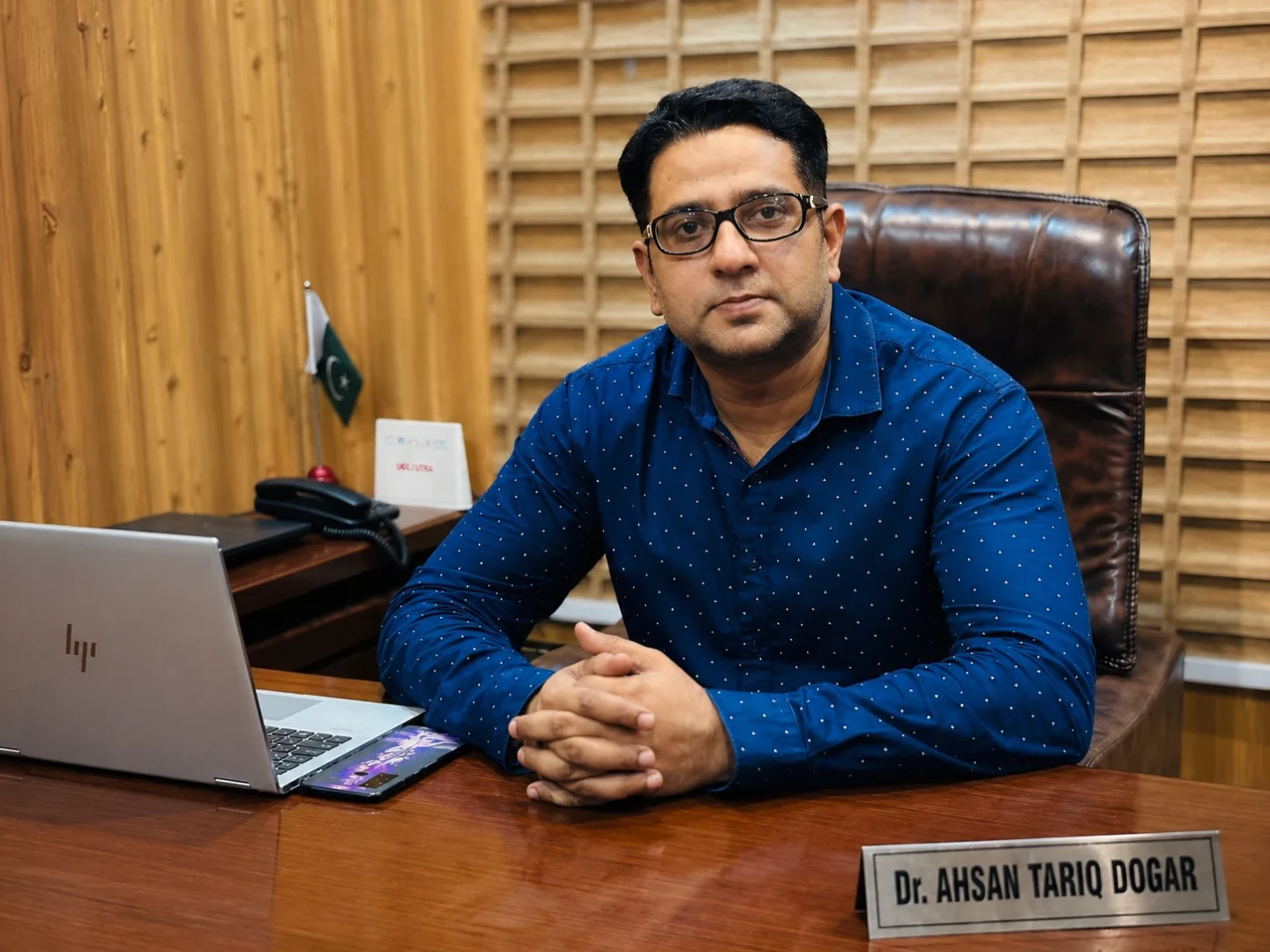
Within a secure, clinically controlled environment, specialists like Dr. Ahsan Tariq Dogar utilize substitute, non-addictive pharmacological agents—such as specific alpha-2 adrenergic agonists to manage autonomic overactivity, or carefully tapered benzodiazepines for alcohol withdrawal—to drastically lower the intensity of these withdrawal symptoms. This rigorous medical management ensures the patient’s physical survival, prevents severe autonomic nervous system dysregulation, and averts an immediate, pain-driven relapse.
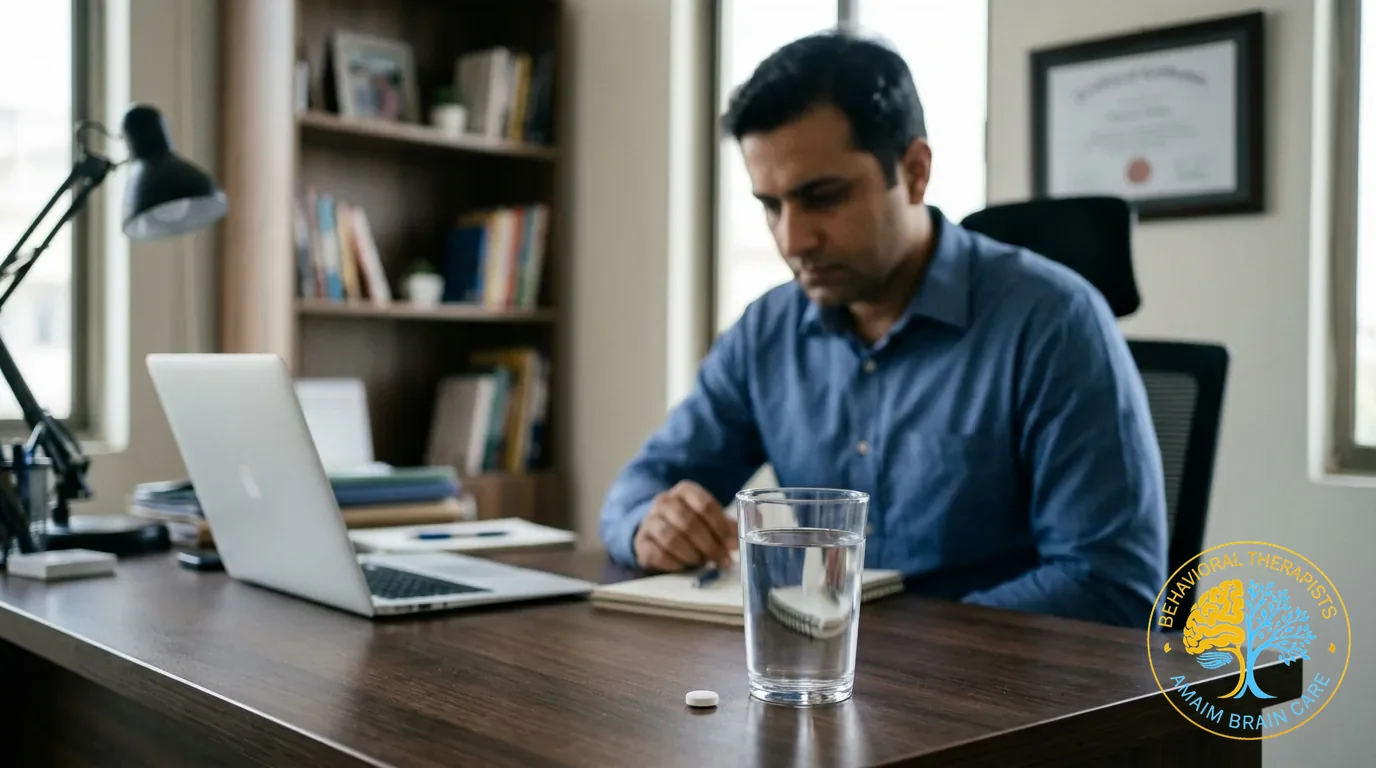
ایک محفوظ اور طبی نگرانی والے ماحول میں، ڈاکٹر احسن طارق ڈوگر جیسے ماہرین ایسی محفوظ اور متبادل ادویات (pharmacological agents) کا استعمال کرتے ہیں جو جسم کے بے قابو ہونے والے اعصابی نظام (autonomic nervous system) کو سنبھالتی ہیں۔ یہ دوائیں اس خطرناک تکلیف کی شدت کو تقریباً ختم کر دیتی ہیں، تاکہ مریض کی جان بچائی جا سکے اور وہ درد اور تکلیف سے مجبور ہو کر فوراً دوبارہ نشے کی طرف نہ لوٹے۔
Phase 2: Psychiatric Stabilization and Dual Diagnosis | دوسرا مرحلہ: ذہنی استحکام اور دوہری بیماری کا علاج
Once the acute physical toxins are cleared from the system, the brain is left in a state of profound neurochemical depletion. The prolonged overstimulation of the brain’s reward centers exhausts the natural reserves of essential neurotransmitters like dopamine and serotonin. This deficit renders the patient completely incapable of feeling natural pleasure or joy—a clinical condition known as anhedonia. Without adequate levels of these mood-regulating chemicals, patients frequently experience crushing Clinical Depression, crippling apathy, and sometimes intense suicidal ideation. The brain’s emotional processing center, the amygdala, becomes highly reactive, causing heightened stress sensitivity and profound mood swings.
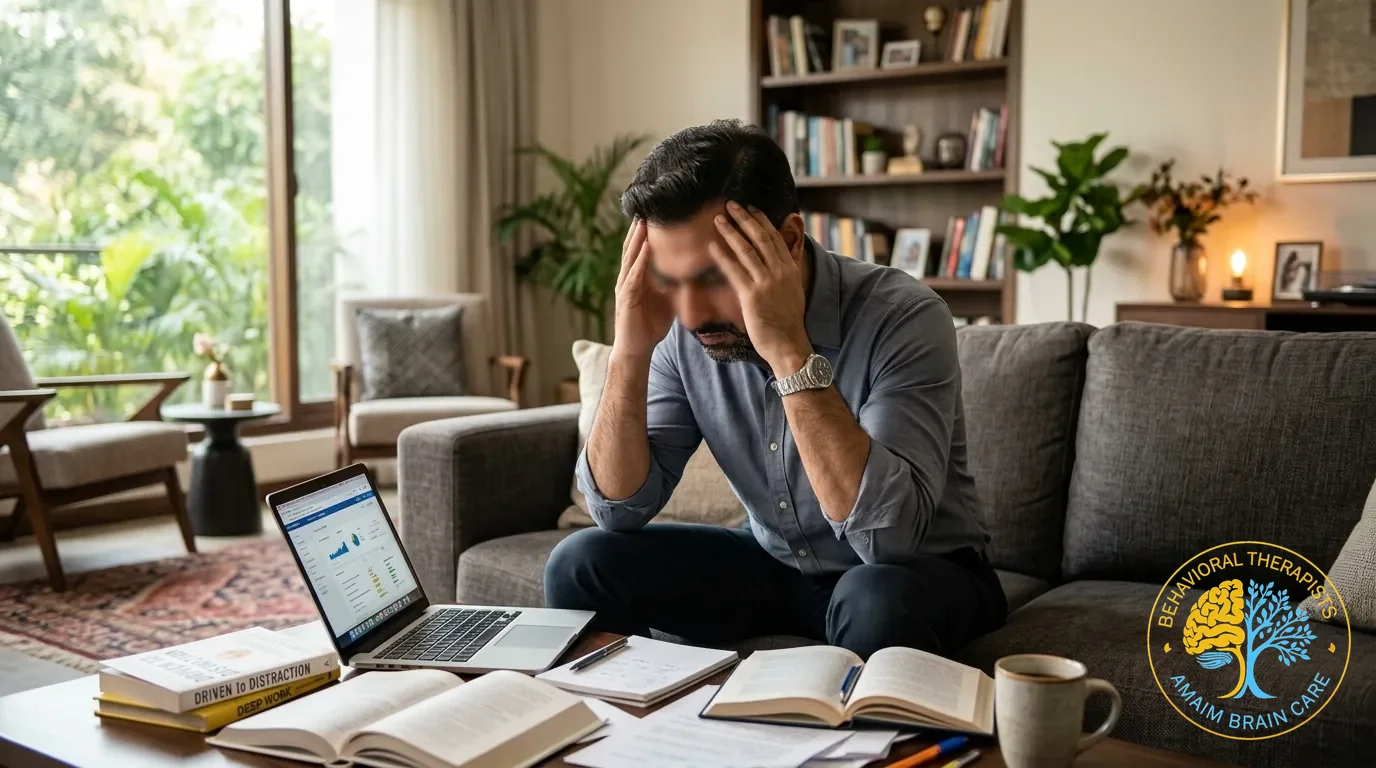
جب جسم سے نشے کا زہر مکمل طور پر نکل جاتا ہے، تو دماغ کے اندر کیمیائی مادوں کی شدید کمی ہو جاتی ہے۔ نشے کے مسلسل استعمال کی وجہ سے دماغ کے خوشی محسوس کرنے والے حصے تھک جاتے ہیں اور قدرتی کیمیکلز جیسے ڈوپامین (dopamine) اور سیروٹونن (serotonin) کے ذخائر ختم ہو جاتے ہیں۔ اس کمی کی وجہ سے مریض کسی بھی قدرتی چیز سے خوشی محسوس کرنے کے قابل نہیں رہتا، جسے طبی زبان میں اینہیڈونیا (anhedonia) کہتے ہیں۔ ان کیمیکلز کے بغیر، مریض عموماً شدید کلینیکل ڈیپریشن، شدید مایوسی اور بعض اوقات خودکشی کی سوچوں کا شکار ہو جاتا ہے۔ دماغ کا وہ حصہ جو جذبات کو کنٹرول کرتا ہے (ایمگڈالا – amygdala) بہت زیادہ حساس ہو جاتا ہے جس کی وجہ سے چھوٹی چھوٹی باتوں پر غصہ یا شدید تناؤ پیدا ہوتا ہے۔
At this critical juncture, the psychiatrist must employ a “Dual Diagnosis” approach. It is paramount to identify and aggressively treat any underlying psychiatric comorbidities that may have acted as the original catalyst for the substance abuse. Whether the root cause is severe generalized Anxiety, untreated Bipolar Disorder, unresolved trauma leading to Post-Traumatic Stress Disorder (PTSD), or early-onset Schizophrenia, these underlying conditions must be addressed. The simultaneous pharmacological treatment using SSRIs, mood stabilizers, or atypical antipsychotics is absolutely required to restore neurochemical balance and prevent a devastating psychological relapse.
اس اہم مقام پر، ماہرِ نفسیات کو “دوہری تشخیص” (Dual Diagnosis) کی تکنیک استعمال کرنی پڑتی ہے۔ یہ جاننا اور اس کا فوری علاج کرنا انتہائی ضروری ہے کہ وہ کون سی اصل نفسیاتی بیماری تھی جس سے بچنے کے لیے مریض نے نشہ شروع کیا تھا۔ چاہے وہ شدید بے چینی (Anxiety) ہو، بائی پولر ڈس آرڈر ہو، کوئی پرانا صدمہ ہو جو پی ٹی ایس ڈی (PTSD) کی وجہ بن رہا ہو، یا شیزوفرینیا جیسی بیماری، ان سب کا بیک وقت علاج کرنا لازمی ہے۔ دماغ کے کیمیائی توازن کو بحال کرنے اور مریض کو دوبارہ نشے کی طرف جانے سے روکنے کے لیے موڈ کو بہتر کرنے والی ادویات (جیسے SSRIs یا موڈ سٹیبلائزرز) کا باقاعدہ استعمال ناگزیر ہے۔
Phase 3: Cognitive Behavioral Therapy (CBT) and Rehabilitation | تیسرا مرحلہ: تھراپی اور مستقل بحالی
It is a clinical maxim that detoxification heals the body, but specialized therapy heals the mind. Medication alone is wholly insufficient for long-term sobriety. Lasting recovery relies entirely on intensive psychotherapy, predominantly Cognitive Behavioral Therapy (CBT) and carefully graded Exposure Therapy. Through structured CBT sessions, the patient learns to identify the specific environmental cues, emotional states, and social interactions that serve as “triggers” precipitating intense drug cravings. Therapy focuses on restructuring maladaptive thought patterns, providing the patient with non-pharmacological, highly robust coping mechanisms to manage stress, anger, and anxiety without resorting to chemical crutches.
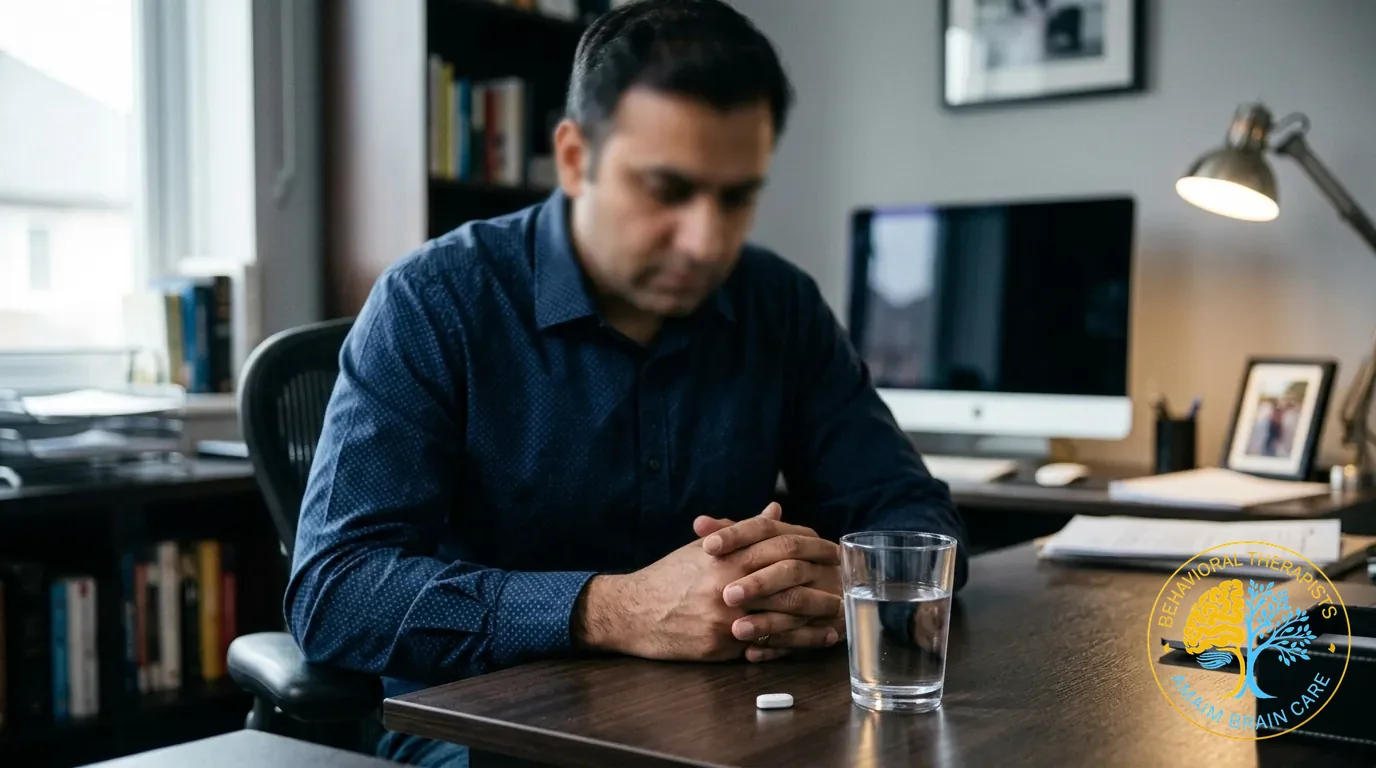
یہ ایک تسلیم شدہ طبی حقیقت ہے کہ ڈیٹوکس جسم کو ٹھیک کرتا ہے، لیکن ماہرانہ تھراپی دماغ کی اصلاح کرتی ہے۔ مستقل طور پر نشہ چھوڑنے کے لیے صرف دوائیاں ہرگز کافی نہیں ہیں۔ طویل مدتی کامیابی کا سارا انحصار مسلسل سائیکو تھراپی، خاص طور پر کاگنیٹو بیہیویئرل تھراپی (CBT) اور ایکسپوژر تھراپی (Exposure Therapy) پر ہے۔ تھراپی کے ان باقاعدہ سیشنز میں مریض کو یہ سکھایا جاتا ہے کہ وہ کون سی جگہیں، مخصوص حالات، دوست یا پریشانیاں ہیں جو اس کے اندر نشے کی شدید طلب (cravings) پیدا کرتی ہیں۔ تھراپی کا مقصد مریض کے سوچنے کے غلط انداز کو بدلنا ہے تاکہ اسے غصے، پریشانی اور دباؤ کا مقابلہ کرنے کے لیے نشے کی بیساکھیوں کے بجائے مضبوط اور صحت مند طریقے سکھائے جا سکیں۔
Furthermore, an evidence-based clinical protocol mandates comprehensive family therapy. Addiction is widely recognized as a “family disease,” profoundly impacting the entire household. The family structure must learn the critical difference between genuinely supporting the patient’s recovery journey and inadvertently “enabling” their destructive behavior through co-dependency or denial. Educating the family on setting firm boundaries and recognizing the subtle signs of impending relapse is vital for creating an environment conducive to sustained sobriety.
اس کے علاوہ، ایک مستند طبی علاج میں پورے خاندان کی تھراپی (Family Therapy) بھی لازمی ہے۔ نشے کی لت کو عام طور پر ایک “خاندانی بیماری” مانا جاتا ہے جو پورے گھر کو شدید متاثر کرتی ہے۔ خاندان کو یہ سکھانا بے حد ضروری ہے کہ صحیح معنوں میں مریض کی بحالی میں کیسے مدد کرنی ہے، اور لاعلمی یا ہمدردی کے نام پر (enabling) اسے وہ سہولیات نہیں دینی جو اسے دوبارہ نشے کی طرف لے جائیں۔ گھر والوں کو سخت اصول (boundaries) بنانا اور بیماری کے دوبارہ لوٹنے کی علامات کو پہچاننا سکھایا جاتا ہے تاکہ ایک ایسا ماحول بن سکے جو مریض کو ہمیشہ نشے سے دور رکھے۔
The Necessity of Long-Term Outpatient Care | مستقل بیرونی علاج کی اہمیت
In contemporary psychiatry, addiction is classified as a chronic, relapsing brain disease, structurally similar to managing diabetes or hypertension. It is characterized by periods of remission and potential relapse. Therefore, treatment absolutely does not conclude upon discharge from the inpatient psychiatric facility. Continuous, rigorous outpatient follow-ups with the consulting psychiatrist are mandatory to monitor medication efficacy, adjust dosages based on neurochemical stabilization, and provide ongoing psychological support. The patient’s brain requires significant time—often many months to years—to achieve full neuroplastic recovery and reset its dopamine baselines.
جدید نفسیات میں، نشے کی لت کو شوگر یا بلڈ پریشر جیسی ایک دائمی (ساری عمر ساتھ رہنے والی) بیماری سمجھا جاتا ہے، جس میں بہتری کے بعد دوبارہ خرابی کا خطرہ رہتا ہے۔ اس لیے ہسپتال سے چھٹی ملنے کا مطلب یہ ہرگز نہیں کہ علاج مکمل ہو گیا۔ بیماری کو دوبارہ لوٹنے سے روکنے کے لیے مہینوں اور بعض اوقات سالوں تک ماہر نفسیات سے باقاعدگی سے آؤٹ پیشنٹ (outpatient) چیک اپ کروانا لازمی ہے تاکہ ادویات کے اثرات کو مانیٹر کیا جا سکے اور ضرورت کے مطابق مقدار میں ردو بدل ہو۔ مریض کے دماغ کے ڈوپامین لیول کو واپس اپنی قدرتی حالت میں آنے اور دماغی خلیوں کی مکمل بحالی (neuroplastic recovery) کے لیے کافی طویل عرصہ درکار ہوتا ہے۔
Relapse, if it occurs, must not be treated as a moral failure, a lack of willpower, or an excuse for punitive measures. Instead, it must be recognized as a clinical emergency—a flare-up of a chronic disease—requiring immediate readmission to the facility and a thorough readjustment of the treatment protocol. A compassionate, scientifically grounded approach that combines medical detoxification, psychiatric stabilization, structured therapy, and persistent family support offers the highest probability of leading a patient out of the darkness of addiction and into a healthy, productive life.
Frequently Asked Questions
Why do traditional methods like locking a person in a room fail? | مریض کو کمرے میں بند کر دینے کے روایتی طریقے کیوں ناکام ہو جاتے ہیں؟
Because addiction is not a behavioral choice; it is a severe physiological disease. Forcing unmedicated withdrawal causes unimaginable agony. The moment the individual is released, their traumatized brain will immediately compel them to seek the drug to alleviate the profound suffering they endured, guaranteeing a severe relapse. | کیونکہ نشہ کوئی عادت نہیں بلکہ جسم کی ایک سخت مجبوری بن چکا ہوتا ہے۔ بغیر دوائی کے نشہ چھڑوانا اتنی اذیت ناک تکلیف دیتا ہے کہ جیسے ہی مریض کمرے سے باہر آتا ہے، اس کا خستہ حال دماغ اسے فوراً اس تکلیف سے بچنے کے لیے پہلے سے بھی زیادہ شدت کے ساتھ نشہ کرنے پر مجبور کر دیتا ہے۔
ذہنی اور نفسیاتی صحت کے مسائل کے حوالے سے بروقت طبی تشخیص اور مستند ڈاکٹر کی رہنمائی انتہائی ضروری ہے۔ اگر آپ یا آپ کا کوئی پیارا اس مسئلے کا سامنا کر رہا ہے تو مناسب علاج اور رہنمائی کے لیے مستند ماہر نفسیات سے فوری رجوع کریں۔
How long does the medical detoxification process typically take? | ہسپتال میں زہر نکالنے (ڈیٹوکس) کا عمل کتنے دن لیتا ہے؟
The acute medical detox phase—where the physical withdrawal symptoms are medically managed—usually takes 7 to 14 days, depending heavily on the type and quantity of the substance abused. However, the subsequent psychiatric rehabilitation requires months of ongoing therapy. | ابتدائی ڈیٹوکس، جس میں جسم کی شدید تکلیف کو ادویات سے کنٹرول کیا جاتا ہے، عموماً 7 سے 14 دن لیتا ہے (اس کا انحصار نشے کی قسم اور مقدار پر ہے)۔ تاہم، اس کے بعد دماغ کی مکمل بحالی اور تھراپی کے لیے کئی مہینے درکار ہوتے ہیں۔
ذہنی اور نفسیاتی صحت کے مسائل کے حوالے سے بروقت طبی تشخیص اور مستند ڈاکٹر کی رہنمائی انتہائی ضروری ہے۔ اگر آپ یا آپ کا کوئی پیارا اس مسئلے کا سامنا کر رہا ہے تو مناسب علاج اور رہنمائی کے لیے مستند ماہر نفسیات سے فوری رجوع کریں۔
Are the medications used to treat addiction also addictive? | کیا نشہ چھڑوانے والی ادویات کی بھی لت لگ جاتی ہے؟
No. Consultant psychiatrists utilize specific, highly regulated pharmacological agents (unlike the substances being abused) that mitigate craving and withdrawal without producing any euphoric “high,” rendering them non-addictive when used under strict clinical supervision. | بالکل نہیں۔ ماہرین نفسیات ایسی مخصوص اور محفوظ ادویات استعمال کرتے ہیں جو صرف مریض کے درد اور نشے کی طلب کو ختم کرتی ہیں لیکن اسے کوئی مصنوعی خوشی یا نشہ فراہم نہیں کرتیں۔ اگر ڈاکٹر کی نگرانی میں کھائی جائیں تو ان کی بالکل لت نہیں لگتی۔
ذہنی اور نفسیاتی صحت کے مسائل کے حوالے سے بروقت طبی تشخیص اور مستند ڈاکٹر کی رہنمائی انتہائی ضروری ہے۔ اگر آپ یا آپ کا کوئی پیارا اس مسئلے کا سامنا کر رہا ہے تو مناسب علاج اور رہنمائی کے لیے مستند ماہر نفسیات سے فوری رجوع کریں۔
What should we do if the patient absolutely refuses to go to the hospital? | اگر مریض ہسپتال جانے سے سختی سے انکار کر دے تو خاندان کیا کرے؟
If the patient’s addiction poses an imminent threat to their life or the safety of others (e.g., severe overdose risk or violent psychosis), the family has a moral and clinical obligation to orchestrate an involuntary medical intervention to transport them to a secure psychiatric facility. | اگر مریض کی جان کو شدید خطرہ ہو، یا وہ پاگل پن میں دوسروں کے لیے خطرہ بن رہا ہو، تو خاندان کی یہ ذمہ داری ہے کہ وہ مریض کی رضامندی کے بغیر اسے زبردستی ایک محفوظ ہسپتال منتقل کرے تاکہ اس کی زندگی بچائی جا سکے۔
ذہنی اور نفسیاتی صحت کے مسائل کے حوالے سے بروقت طبی تشخیص اور مستند ڈاکٹر کی رہنمائی انتہائی ضروری ہے۔ اگر آپ یا آپ کا کوئی پیارا اس مسئلے کا سامنا کر رہا ہے تو مناسب علاج اور رہنمائی کے لیے مستند ماہر نفسیات سے فوری رجوع کریں۔
Where is professional, inpatient substance abuse treatment available in Pakistan? | پاکستان میں منشیات کا مستند اور محفوظ علاج کہاں ہوتا ہے؟
Amaim Brain Care in Faisalabad provides comprehensive, state-of-the-art inpatient addiction treatment. Dr. Ahsan Tariq Dogar personally oversees the medical detoxification, pharmacological stabilization, and long-term psychological rehabilitation of every patient. | امیم برین کیئر فیصل آباد میں بین الاقوامی معیار کے مطابق نشے کا مستند اور ہسپتال داخلے کا علاج موجود ہے۔ ڈاکٹر احسن طارق ڈوگر ذاتی طور پر مریضوں کے جسم سے زہر نکالنے، انہیں ادویات دینے اور ان کی طویل مدتی تھراپی کی نگرانی کرتے ہیں۔
ذہنی اور نفسیاتی صحت کے مسائل کے حوالے سے بروقت طبی تشخیص اور مستند ڈاکٹر کی رہنمائی انتہائی ضروری ہے۔ اگر آپ یا آپ کا کوئی پیارا اس مسئلے کا سامنا کر رہا ہے تو مناسب علاج اور رہنمائی کے لیے مستند ماہر نفسیات سے فوری رجوع کریں۔
How can I book an appointment with Dr. Ahsan Tariq Dogar?
You can book an in-person or online neuro-psychiatric consultation via reaching out via WhatsApp at 0333-6986464 for a confidential appointment.
فیصل آباد میں کلینک وزٹ یا آن لائن مشورے کے لیے آپ عمائم برین کیئر کے آفیشل واٹس ایپ لنک کے ذریعے رابطہ کر کے اپنی اپائنٹمنٹ باآسانی بک کروا سکتے ہیں، جہاں آپ کی معلومات کو مکمل صیغہ راز میں رکھا جاتا ہے۔
Sources & References
- American Psychiatric Association. Diagnostic and Statistical Manual of Mental Disorders (DSM-5-TR).
- World Health Organization (WHO). Mental Health Guidelines & Clinical Management Protocols.
- Pakistan Psychiatric Society (PPS). Clinical Practice Standards and Regional Mental Health Guidance.
Medical & Educational Disclaimer
The medical and psychiatric information provided on Amaim Brain Care is for educational purposes only. It is not intended to replace formal in-person psychiatric diagnosis, clinical assessment, or tailored prescription therapy. If you or a loved one are experiencing acute psychological distress or symptoms of a mental health condition, please seek professional evaluation from a certified psychiatrist.