انزائٹی میں انسان ہر وقت آنے والے کل کے نامعلوم خطرات سے خوفزدہ رہتا ہے کہ “اگر کوئی برا حادثہ ہو گیا تو کیا ہوگا؟” جبکہ ڈپریشن میں انسان ماضی کی ناکامیوں کے بوجھ تلے دب کر یہ سمجھتا ہے کہ “اب کچھ بھی ٹھیک نہیں ہو سکتا۔” ان دونوں منفی سوچوں کی اصلاح اعصابی بحالی کے لیے لازمی ہے۔
Mixed Anxiety-Depressive Disorder (MADD) & Comorbidity
Although anxiety and depression represent distinct diagnostic entities, they frequently co-occur in what clinical psychiatry terms Mixed Anxiety-Depressive Disorder (MADD). Chronic, unmanaged anxiety places immense wear-and-tear on the nervous system, eventually exhausting neurotransmitter reserves and triggering a secondary depressive episode. For academic and youth comparisons, review our analysis on depression in students in Pakistan to see how panic often precedes depressive collapse.
Kayi martaba yeh dono masail ek sath bhi peda ho jate hain jise Mixed Anxiety-Depressive Disorder kehte hain. Musalsal ghabrahat aur be-chaini jab mahino tak chalti hai to dimagh thak jata hai aur insaan aahista aahista depression mein doob jata hai. Aese mareez ko dono masail ka yakja ilaj faraham karna zaroori hota hai.
اکثر مریضوں میں یہ دونوں بیماریاں بیک وقت بھی پائی جاتی ہیں، جسے مکسڈ انزائٹی اینڈ ڈپریسو ڈس آرڈر کہا جاتا ہے۔ مسلسل خوف اور گھبراہٹ جب مہینوں برقرار رہتی ہے تو بالآخر اعصابی تھکن ڈپریشن کا روپ دھار لیتی ہے۔ ایسے مریض کو دونوں کیفیات کا جامع علاج درکار ہوتا ہے۔
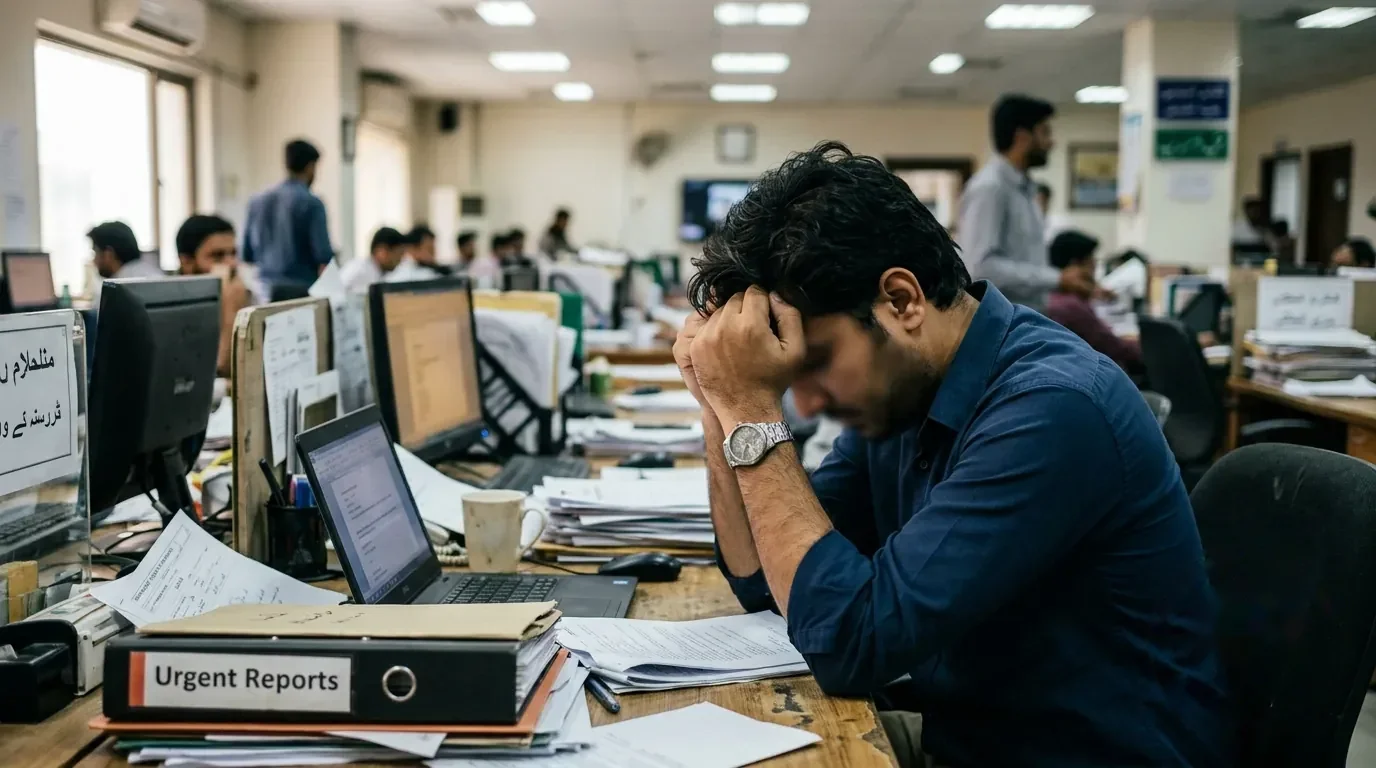
Targeted Treatment Strategies at Amaim Brain Care / Amaim Brain Care Mein Ilaj
Accurate differential diagnosis dictates clinical success. Under the expert leadership of Dr. Ahsan Tariq Dogar, Amaim Brain Care provides advanced diagnostic evaluations to determine the precise balance of anxiety and depressive features. We deliver targeted Major Depression Treatment alongside specialized Anxiety Disorder Care, utilizing modern psychopharmacology, evidence-based CBT through our Psychotherapy Services, and inpatient crisis stabilization at our Psychiatric Admission Facility in Faisalabad.
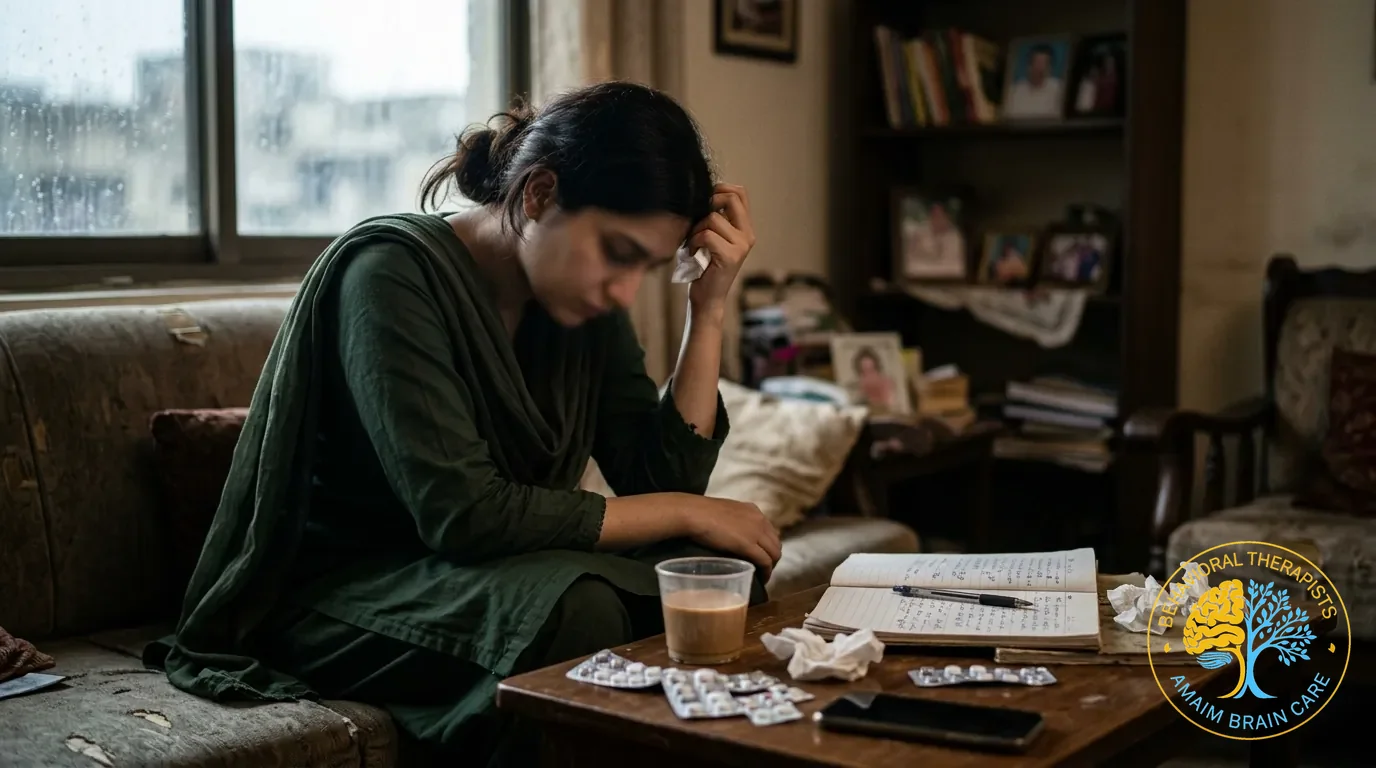
Amaim Brain Care Faisalabad mein Dr. Ahsan Tariq Dogar ki rehnumai mein anxiety aur depression dono ka makhsoos aur jadeed tareeqon se ilaj kiya jata hai taake aap ka dimaghi tanao khatam ho aur aap pur-sukoon zindagi guzar sakein.
امائم برین کیئر فیصل آباد میں ڈاکٹر احسن طارق ڈوگر کی سربراہی میں جدید سائنسی طریقوں سے انزائٹی اور ڈپریشن کی درست تشخیص کر کے موثر علاج فراہم کیا جاتا ہے تاکہ مریض دائمی خوف اور اداسی سے نجات پا سکے۔

Frequently Asked Questions
Can an anxiety attack cause sudden depression? / Kya panic attack se depression hota hai?
Frequent terrifying panic attacks erode a person’s sense of safety and confidence, which frequently precipitates secondary clinical depression over time.
Bar bar panic attack aane se insaan khof-zada rehne lagta hai aur aahista aahista mayusi aur depression ka shikar ho jata hai.
What is the main difference in thought patterns between anxiety and depression? / Sochon mein kya farq hota hai?
Anxiety focuses on future catastrophe and impending doom (“what if something terrible happens?”), while depression focuses on past failure, guilt, and present hopelessness (“nothing will ever get better”).
Anxiety mustaqbil ke khof se juri hoti hai jabke depression maazi ke pachtaway aur mojooda mayusi se peda hota hai.
Are the same medications used to treat both anxiety and depression? / Kya dono ke liye ek hi dawai hoti hai?
Modern SSRIs and SNRIs effectively treat both disorders by modulating serotonergic pathways, though dosages and adjunct medications are customized based on symptom prominence.
Jadeed antidepressants dono masail mein mufeed hoti hain magar dosage har mareez ki zaroorat ke mutabiq tay ki jati hai.
How does Cognitive Behavioral Therapy (CBT) help with both conditions? / CBT therapy kese madad karti hai?
CBT restructures catastrophic anxious thoughts and challenges negative depressive automatic thoughts, teaching patients lifelong emotional self-regulation skills.
CBT therapy manfi aur khof-zada khayalat ko badal kar dimagh ko pur-sukoon rehna sikhati hai.
Why do physical symptoms like palpitations happen more in anxiety? / Dil ki dharkan anxiety mein kyun tez hoti hai?
Anxiety triggers the sympathetic nervous system’s “fight-or-flight” response, surging adrenaline and increasing heart rate, whereas depression dampens motor activity.
Anxiety mein adrenaline harmone nikalta hai jo dil ki raftaar barha deta hai jabke depression mein jism sust parh jata hai.
How can I book an appointment with Dr. Ahsan Tariq Dogar?
You can book an in-person or online neuro-psychiatric consultation via reaching out via WhatsApp at 0333-6986464 for a confidential appointment.
فیصل آباد میں کلینک وزٹ یا آن لائن مشورے کے لیے آپ عمائم برین کیئر کے آفیشل واٹس ایپ لنک کے ذریعے رابطہ کر کے اپنی اپائنٹمنٹ باآسانی بک کروا سکتے ہیں، جہاں آپ کی معلومات کو مکمل صیغہ راز میں رکھا جاتا ہے۔
Sources & References
- American Psychiatric Association. Diagnostic and Statistical Manual of Mental Disorders (DSM-5-TR).
- World Health Organization (WHO). Mental Health Guidelines & Clinical Management Protocols.
- Pakistan Psychiatric Society (PPS). Clinical Practice Standards and Regional Mental Health Guidance.
Medical & Educational Disclaimer
The medical and psychiatric information provided on Amaim Brain Care is for educational purposes only. It is not intended to replace formal in-person psychiatric diagnosis, clinical assessment, or tailored prescription therapy. If you or a loved one are experiencing acute psychological distress or symptoms of a mental health condition, please seek professional evaluation from a certified psychiatrist.