ہمارے معاشرے میں بچوں کے نمبروں کو خاندانی عزت کا پیمانہ بنا دیا جاتا ہے۔ جب بچہ ذہنی دباؤ کے باعث اکیلا بیٹھتا ہے یا چڑچڑا ہوتا ہے تو والدین اسے موبائل کا استعمال یا غفلت قرار دے کر مزید دباؤ ڈالتے ہیں۔ والدین کو چاہیے کہ وہ بچوں کی بات توجہ سے سنیں، ان کے خوف کو سمجھیں اور ان کے ساتھ دوستانہ رویہ اختیار کریں۔

Sleep Deprivation, Energy Drinks & Neurochemical Imbalance
A widespread and dangerous trend among Pakistani students is relying on extreme sleep deprivation paired with excessive consumption of caffeinated energy drinks, tea, and over-the-counter stimulants during exam preparation. Disrupted circadian rhythms completely suppress neurogenesis in the hippocampus and destabilize serotonin and dopamine production. This biological exhaustion accelerates the transition from simple exam stress into severe depressive episodes with panic features. To learn more, explore our specialized psychotherapy and counseling services.
Imtihan ki tayari ke doran raat bhar jagna aur energy drinks ya bohot zyada chai peena dimagh ke nizam ko tabah kar deta hai. Neend ki kami se dimagh ke chemicals bilkul khali ho jate hain jis se bacha na sirf parhai bhool jata hai balki shadeed depression aur ghabrahat ka shikar ho jata hai. Dimagh ko naye sabaq yaad rakhne ke liye kam az kam 7 se 8 ghante ki pur-sukoon neend lazmi darkar hoti hai. To learn more, explore our specialized depression myths in Pakistan services.
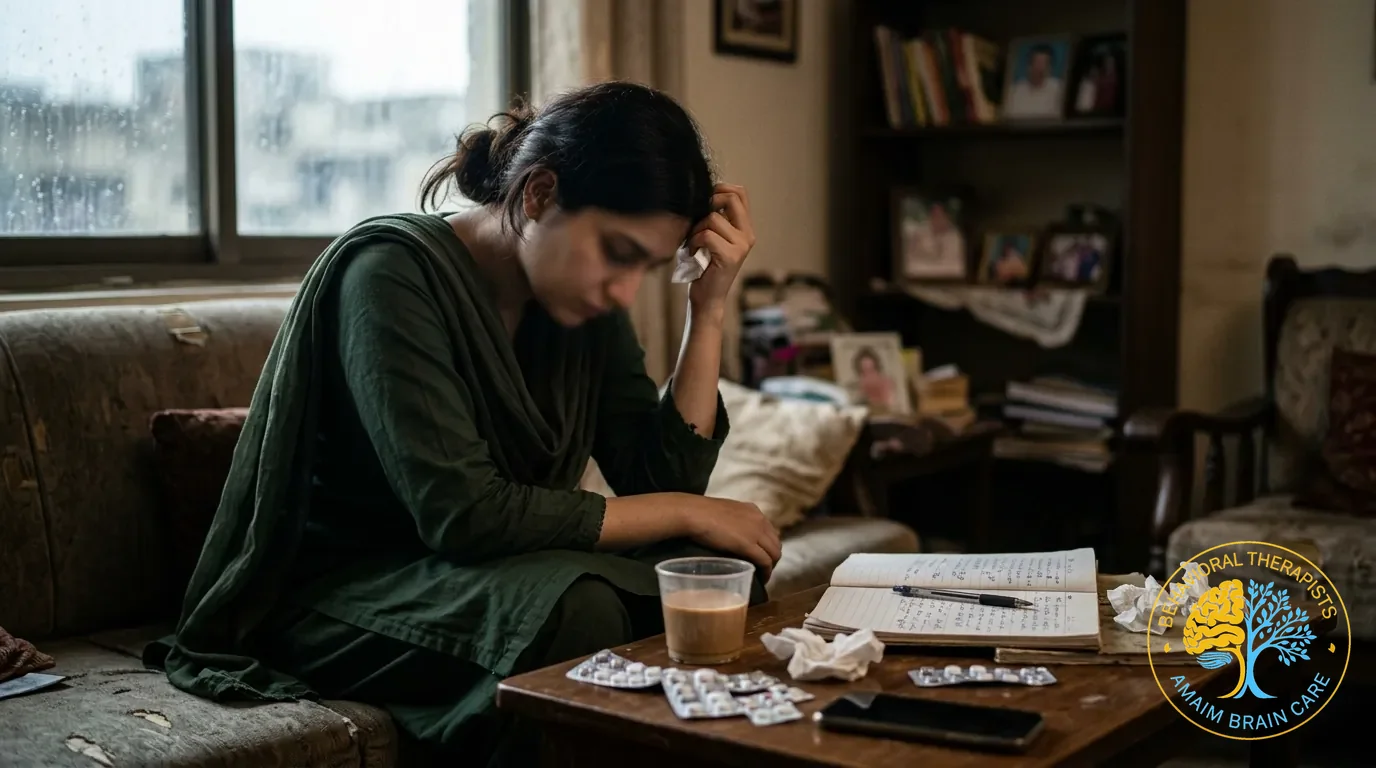
امتحانات کے دوران راتوں کو جاگنا اور انرجی ڈرنکس یا چائے کا بے دریغ استعمال دماغی کیمیکلز کے نظام کو درہم برہم کر دیتا ہے۔ نیند کی کمی سے دماغ کی نئی معلومات کو محفوظ کرنے کی صلاحیت ختم ہو جاتی ہے جس سے طالب علم شدید گھبراہٹ اور ڈپریشن کی لپیٹ میں آ جاتا ہے۔ دماغی کارکردگی کے لیے کم از کم سات سے آٹھ گھنٹے کی گہری نیند ناگزیر ہے۔
Youth Psychiatric Support at Amaim Brain Care / Amaim Brain Care Mein Talba Ka Ilaj
Restoring academic potential, self-confidence, and emotional vitality requires specialized psychiatric care. Under the visionary clinical guidance of Dr. Ahsan Tariq Dogar, Amaim Brain Care provides specialized youth psychiatric evaluations through our dedicated Child & Adolescent Psychiatry and Major Depression Treatment services. We provide student exam anxiety counseling, modern non-sedating medical support, and family psychoeducation to help students excel confidently in life.
Amaim Brain Care Faisalabad mein Dr. Ahsan Tariq Dogar ki zer-e-sarparasti talba ke liye makhsoos counseling aur ilaj faraham kiya jata hai taake unki zehni salahiyat, concentration aur khushi dobara bahal ho sake aur woh pur-aitemad tareeqay se taleem jari rakh sakein.
امائم برین کیئر فیصل آباد میں ڈاکٹر احسن طارق ڈوگر کی سربراہی میں طلبہ کے لیے خصوصی کونسلنگ اور علاج فراہم کیا جاتا ہے تاکہ ان کی یادداشت، ذہنی سکون اور خود اعتمادی کو بحال کر کے ان کے شاندار تعلیمی مستقبل کو محفوظ بنایا جا سکے۔

Frequently Asked Questions
Why do students experience sudden concentration loss before exams? / Imtihan se pehle tawajjuh kyun khatam hoti hai?
Acute academic anxiety causes severe cortisol spikes that temporarily disable working memory circuits in the prefrontal cortex, creating mental blocks and concentration paralysis.
Shadeed khof aur dabao se dimagh ki working memory jam jati hai jis se kitabein parhne par bhi kuch yaad nahi rehta.
How can Pakistani parents differentiate between student laziness and depression? / Susti aur depression mein kya farq hai?
A lazy student enjoys recreational activities but avoids work, whereas a depressed student loses interest in all enjoyable activities, experiences severe sleep changes, and displays persistent low self-worth.
Sust bacha doston ke sath khush rehta hai magar parhai se bhagta hai, jabke depressed bacha har cheez se dilchaspi kho deta hai aur udas rehta hai.
Do psychiatric medicines make students sleepy during study hours? / Kya dawaiyon se parhai mein neend aati hai?
No. Modern student psychiatric treatments use non-sedating cognitive-enhancing medications and CBT to restore sharp mental clarity without daytime drowsiness.
Jadeed medicines aur counseling se dimaghi concentration behtar hoti hai aur din mein neend nahi aati.
What should parents do if a student talks about ending their life over exam failure? / Agar bacha number kam aane par khudkushi ki baat kare?
Treat this as an absolute emergency. Reassure the child unconditionally, remove all punitive academic pressure, and immediately contact Amaim Brain Care on 0333-6986464.
Aesi baat par bache par ghussa na karein, unhein dharas dein aur foran صفرتینتینتین-چھنوآٹھچھچارچھچار par doctor se rabta karein.
How can schools and coaching academies support student mental health? / Academies talba ki madad kese karein?
Institutions must eliminate public shaming of low-scoring students, provide dedicated mental health counselors, and educate parents on realistic expectations.
Idaron ko chahiye ke bacho ko zaleel karne ke bajaye unki zehni himmat barhayein aur unhein counseling dein.
How can I book an appointment with Dr. Ahsan Tariq Dogar?
You can book an in-person or online neuro-psychiatric consultation via reaching out via WhatsApp at 0333-6986464 for a confidential appointment.
فیصل آباد میں کلینک وزٹ یا آن لائن مشورے کے لیے آپ عمائم برین کیئر کے آفیشل واٹس ایپ لنک کے ذریعے رابطہ کر کے اپنی اپائنٹمنٹ باآسانی بک کروا سکتے ہیں، جہاں آپ کی معلومات کو مکمل صیغہ راز میں رکھا جاتا ہے۔
Sources & References
- American Psychiatric Association. Diagnostic and Statistical Manual of Mental Disorders (DSM-5-TR).
- World Health Organization (WHO). Mental Health Guidelines & Clinical Management Protocols.
- Pakistan Psychiatric Society (PPS). Clinical Practice Standards and Regional Mental Health Guidance.
Medical & Educational Disclaimer
The medical and psychiatric information provided on Amaim Brain Care is for educational purposes only. It is not intended to replace formal in-person psychiatric diagnosis, clinical assessment, or tailored prescription therapy. If you or a loved one are experiencing acute psychological distress or symptoms of a mental health condition, please seek professional evaluation from a certified psychiatrist.