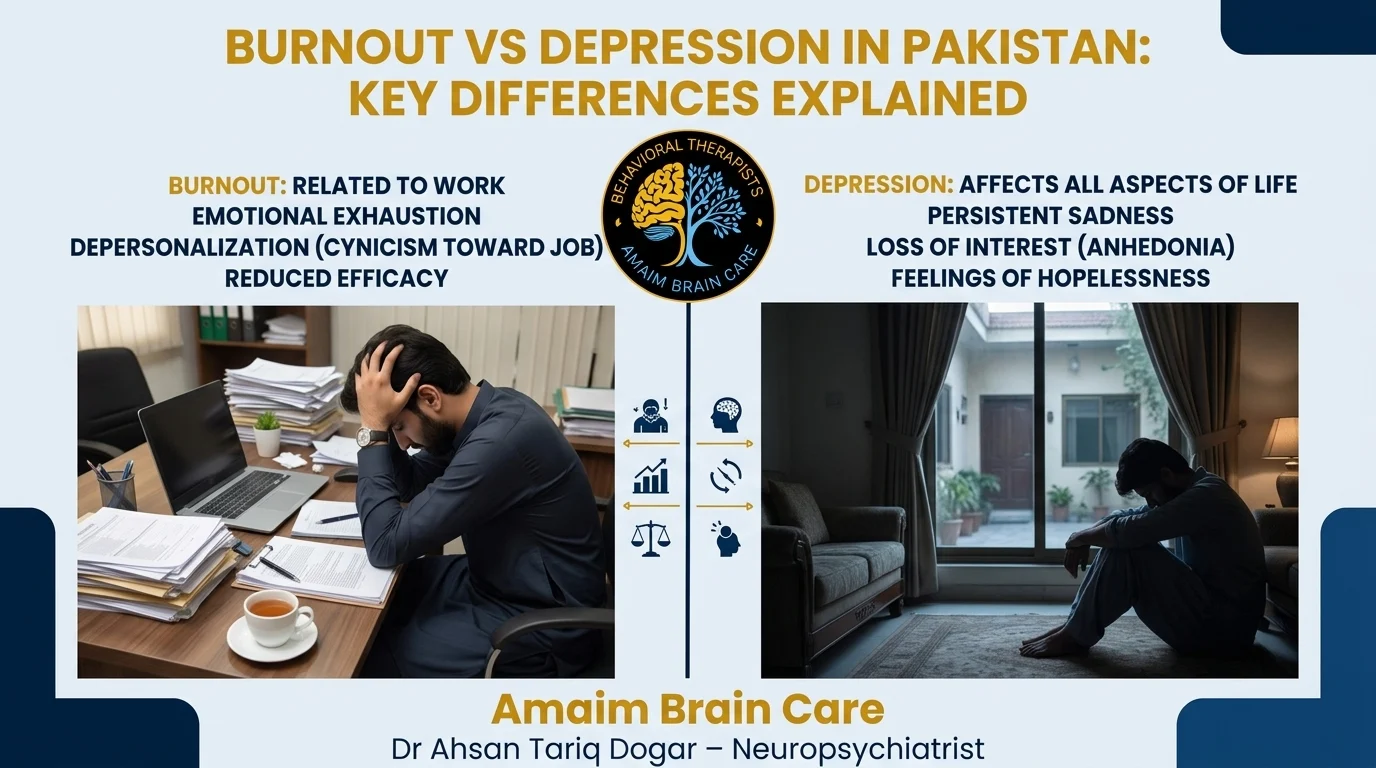
Cognitive & Somatic Symptom Breakdown / Dimaghi aur Jismani Alamaat
The cognitive presentation of burnout is typically characterized by acute cynicism toward workplace duties, professional depersonalization, and reduced self-efficacy on assigned tasks. However, individuals suffering from burnout usually retain their fundamental core self-worth outside of work. Conversely, clinical depression destroys self-esteem, introducing irrational guilt, profound feelings of worthlessness, cognitive slowing, and debilitating morning dread. When accompanied by chronic worry, it often co-occurs with panic as detailed in depression vs anxiety in Pakistan.
Burnout mein insaan sirf apne daftar ke kaam se tang aata hai aur usey lagta hai ke woh office mein perform nahi kar pa raha, magar ghar aakar ya doston ke sath uska mizaj behtar ho sakta hai. Lekin depression mein insaan khud ko mukammal be-kaar, gunahgar aur khandan par bojh samajhne lagta hai. Uske sir mein dard, pait mein kharabi aur jism mein ajeeb be-chaini rehti hai. To learn more, explore our specialized burnout vs clinical depression services.
برن آؤٹ میں انسان صرف دفتری فرائض سے بیزار ہوتا ہے مگر اس کی ذاتی خود اعتمادی قائم رہتی ہے۔ ڈپریشن میں انسان خود کو مکمل ناکام، خاندان پر بوجھ اور شدید احساسِ جرم کا شکار سمجھنے لگتا ہے۔ اس کے ساتھ ساتھ دائمی سر درد، بے خوابی اور جسمانی دردیں مستقل شکل اختیار کر لیتی ہیں۔
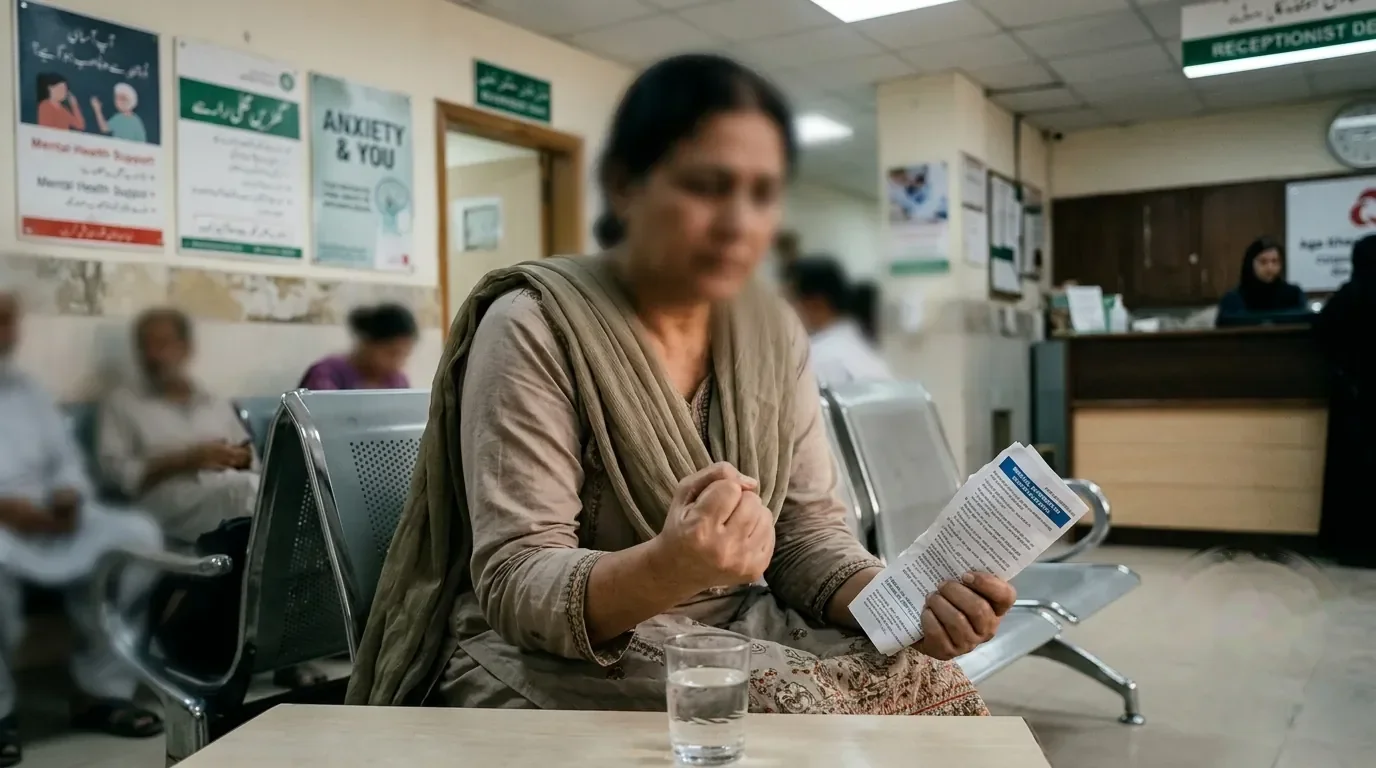
When Untreated Burnout Transforms Into Clinical Depression
It is vital to recognize that chronic, unaddressed burnout does not remain static; over months of persistent stress, sustained cortisol neurotoxicity causes microstructural alterations in the hippocampus and prefrontal cortex. This neuroinflammatory cascade frequently transitions uncomplicated occupational burnout into full clinical Major Depression with suicidal ideation. Recognizing this tipping point allows professionals to seek expert medical care before complete functional collapse occurs.
Agar burnout ko nazar-andaz kiya jaye to yeh aahista aahista dimagh ke naazuk hisson ko mutasir karke gehre depression mein badal jata hai. Musalsal zehni dabao dimagh ke khuliyon ko kamzor kar deta hai jis ke baad insaan aam thakan se nikal kar shadeed bimari mein chala jata hai jahan dawai ke bagher guzara mushkil ho jata hai.
اگر برن آؤٹ کو نظر انداز کیا جائے تو مسلسل اعصابی تناؤ دماغ کے ہپوکیمپس والے حصے کو متاثر کر کے اسے باقاعدہ میجر ڈپریشن میں تبدیل کر دیتا ہے۔ اس مرحلے پر انسان کے لیے خود کو سنبھالنا ناممکن ہو جاتا ہے اور اسے فوری ماہرانہ طبی امداد کی ضرورت ہوتی ہے۔
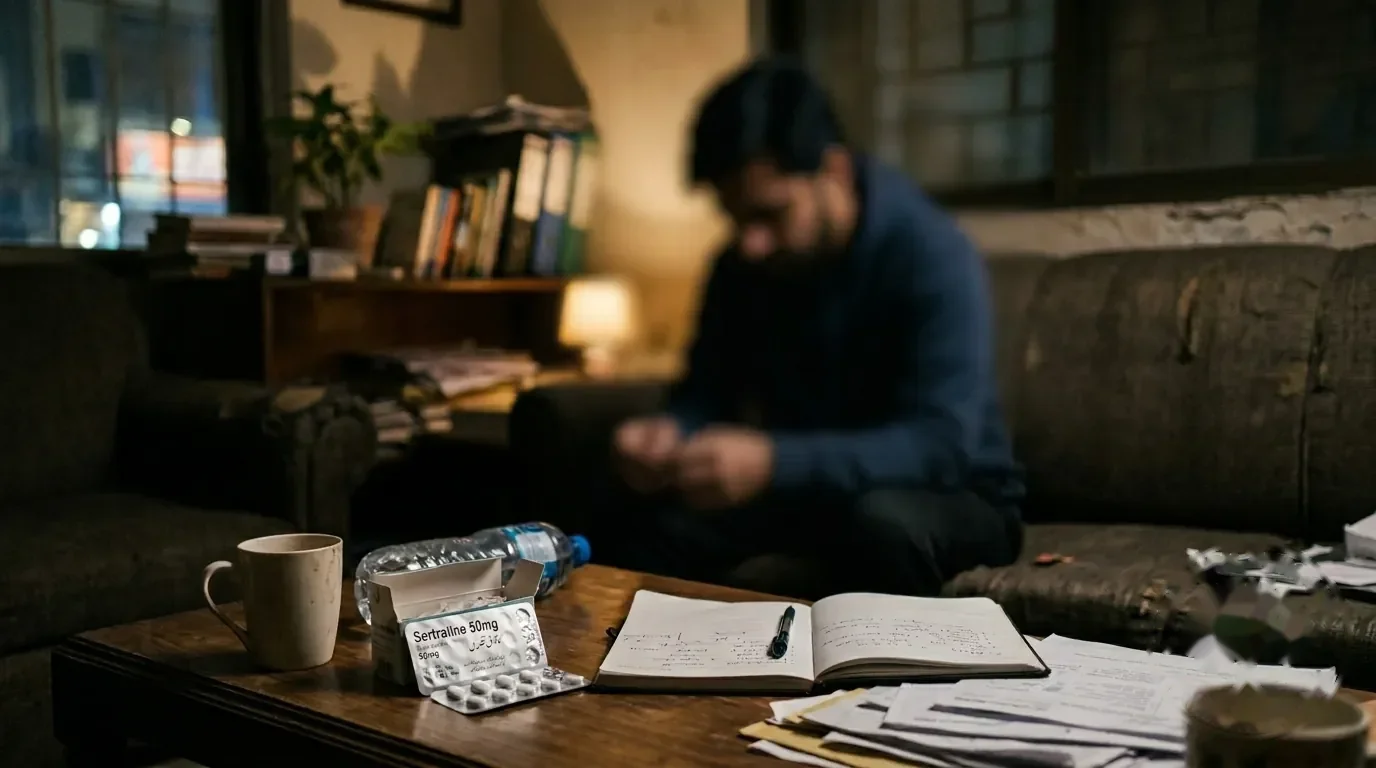
Comprehensive Clinical Pathways at Amaim Brain Care / Amaim Brain Care Ka Tareeqa Ilaj
At Amaim Brain Care, our clinical team headed by Dr. Ahsan Tariq Dogar conducts comprehensive neuropsychiatric differential evaluations. We determine whether you are experiencing uncomplicated occupational burnout that requires executive stress counseling, or clinical depression requiring our targeted Major Depression Treatment protocols. We provide specialized cognitive behavioral therapy via our Psychotherapy Services, outpatient neuropharmacology, and 24/7 intensive crisis support at our Psychiatric Admission Facility.
Amaim Brain Care Faisalabad mein Dr. Ahsan Tariq Dogar ki zer-e-sarparasti har fard ka mukammal jaiza liya jata hai. Hum yeh tay karte hain ke aap ko sirf counseling aur stress management ki zaroorat hai ya ba-qaida medical treatment ki, taake aap ka qeemti waqt aur sehat mehfooz rahe aur aap ba-waqar tareeqay se sehat-mand hon.
امائم برین کیئر فیصل آباد میں ڈاکٹر احسن طارق ڈوگر کی سربراہی میں جدید ترین معائنہ کیا جاتا ہے تاکہ برن آؤٹ اور ڈپریشن کے درمیان درست تفریق کر کے بروقت علاجی لائحہ عمل مرتب کیا جا سکے اور مریض کو دوبارہ ایک کامیاب اور پُرسکون زندگی دی جا سکے۔

Frequently Asked Questions
Can taking a vacation cure burnout? / Kya chuttiyon se burnout theek ho sakta hai?
A vacation offers temporary relief, but lasting burnout recovery requires systematic boundary setting, realistic workload management, and stress-coping strategies in your daily routine.
Chutti se arzi aaram milta hai magar mustaqil behtari ke liye kaam ke oqaat aur routine mein tabdeeli lana zaroori hai.
How does burnout turn into clinical depression? / Burnout depression mein kese badalta hai?
Chronic unrelenting cortisol elevation causes neurotoxic inflammation in the hippocampus and prefrontal cortex, eventually triggering full biochemical depression and anhedonia.
Musalsal zehni dabao se dimagh ke chemicals kharab ho jate hain aur aam thakan gehre depression ka roop dhaar leti hai.
Do I need medications for workplace burnout? / Kya burnout ke liye dawai zaroori hai?
Pure burnout is typically managed with psychotherapy, lifestyle restructuring, and cognitive coaching. If it has progressed to clinical depression, mild medication may be recommended.
Aam burnout therapy aur counseling se theek ho jata hai, magar depression ban jane par dawai madadgar sabit hoti hai.
Why do professionals in Pakistan avoid seeking help for burnout? / Log madad lene se kyun kachkate hain?
Fears of appearing weak in competitive corporate environments and workplace stigma prevent professionals from discussing mental exhaustion until severe functional impairment occurs.
Naukri jane ya kamzor samjhe jane ke khof se log apni zehni thakan ko chupate hain jo baad mein nuqsan deh hota hai.
What physical signs indicate severe burnout? / Burnout ki jismani alamaat kya hain?
Chronic tension headaches, gastrointestinal upset (IBS), heart palpitations, chronic muscle spasms, and immune suppression leading to frequent illnesses indicate severe burnout.
Sir dard, pait ki kharabi, dil ki dharkan tez hona aur jism mein dard rehna shadeed burnout ki nishaniyan hain.
How can I book an appointment with Dr. Ahsan Tariq Dogar?
You can book an in-person or online neuro-psychiatric consultation via reaching out via WhatsApp at 0333-6986464 for a confidential appointment.
فیصل آباد میں کلینک وزٹ یا آن لائن مشورے کے لیے آپ عمائم برین کیئر کے آفیشل واٹس ایپ لنک کے ذریعے رابطہ کر کے اپنی اپائنٹمنٹ باآسانی بک کروا سکتے ہیں، جہاں آپ کی معلومات کو مکمل صیغہ راز میں رکھا جاتا ہے۔
Sources & References
- American Psychiatric Association. Diagnostic and Statistical Manual of Mental Disorders (DSM-5-TR).
- World Health Organization (WHO). Mental Health Guidelines & Clinical Management Protocols.
- Pakistan Psychiatric Society (PPS). Clinical Practice Standards and Regional Mental Health Guidance.
Medical & Educational Disclaimer
The medical and psychiatric information provided on Amaim Brain Care is for educational purposes only. It is not intended to replace formal in-person psychiatric diagnosis, clinical assessment, or tailored prescription therapy. If you or a loved one are experiencing acute psychological distress or symptoms of a mental health condition, please seek professional evaluation from a certified psychiatrist.