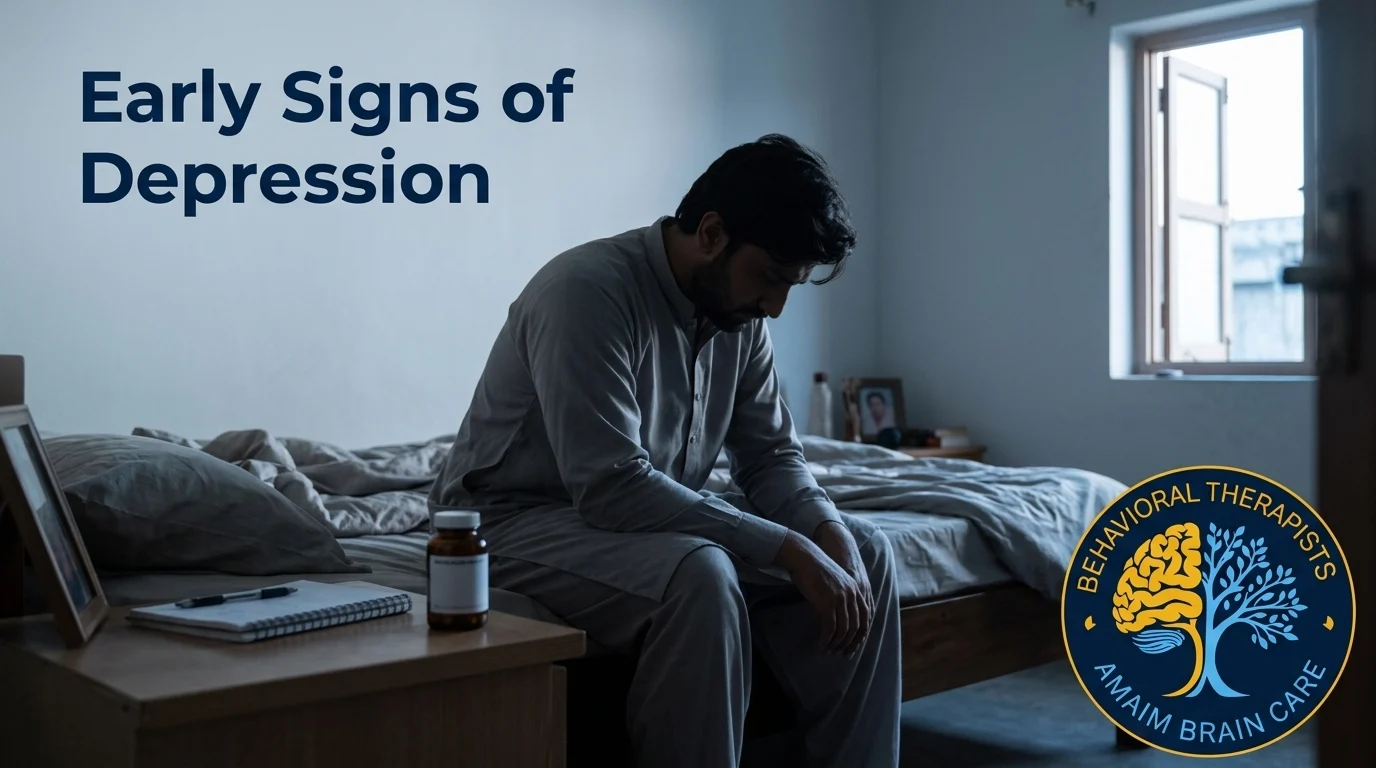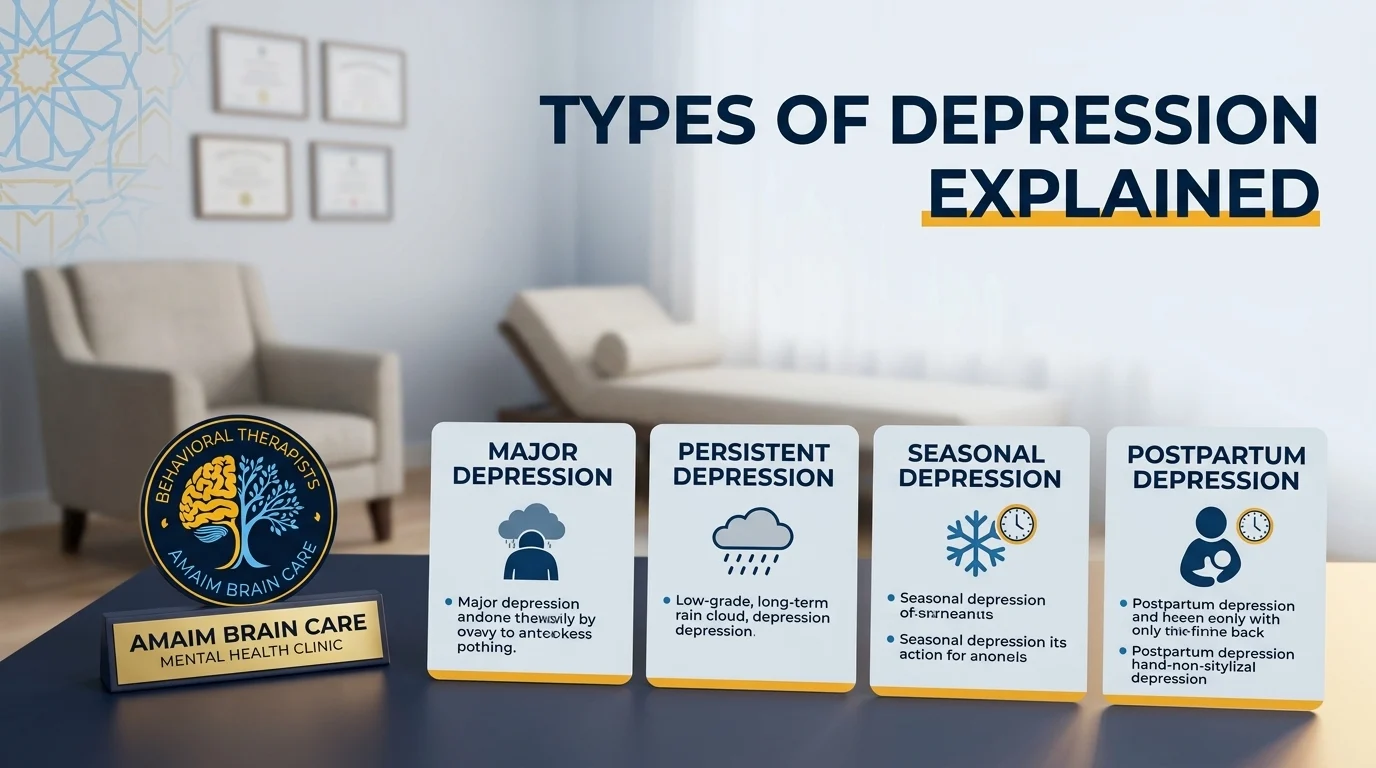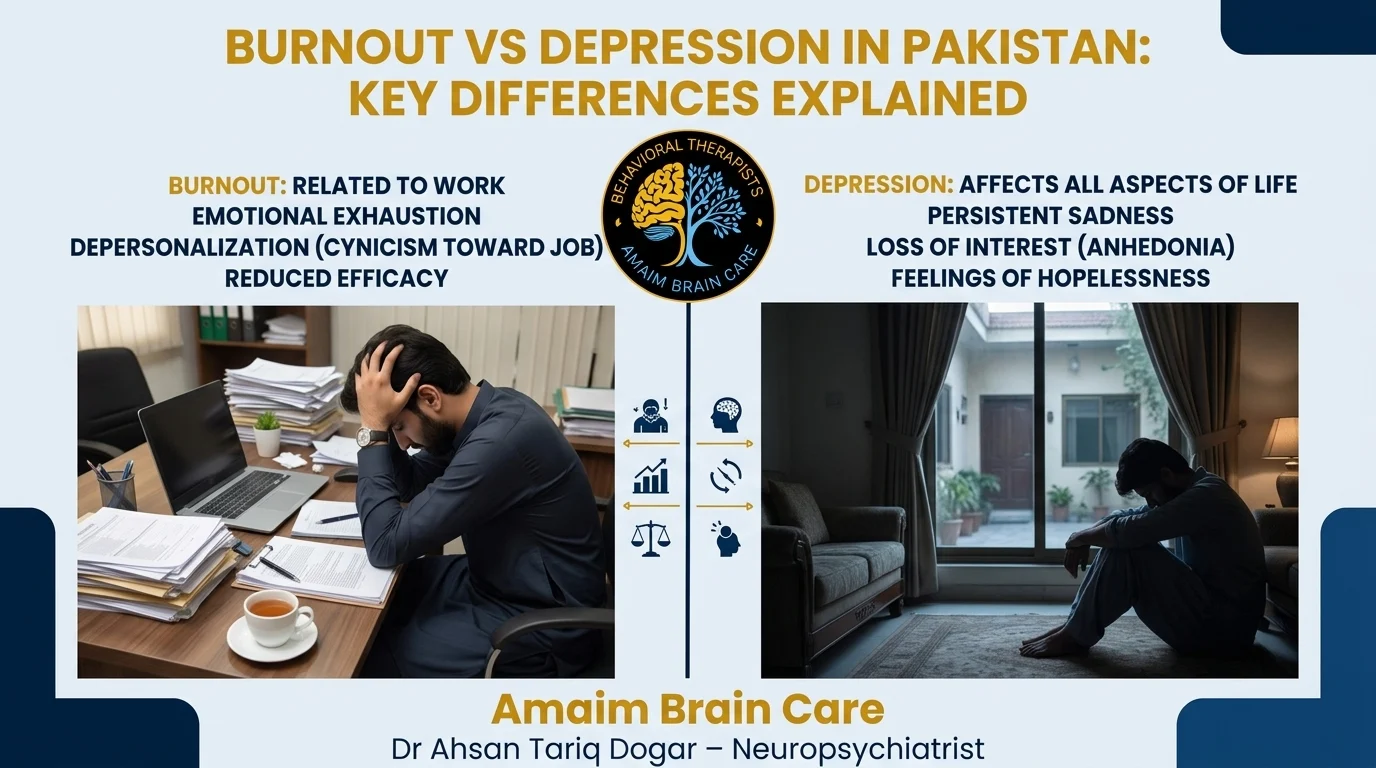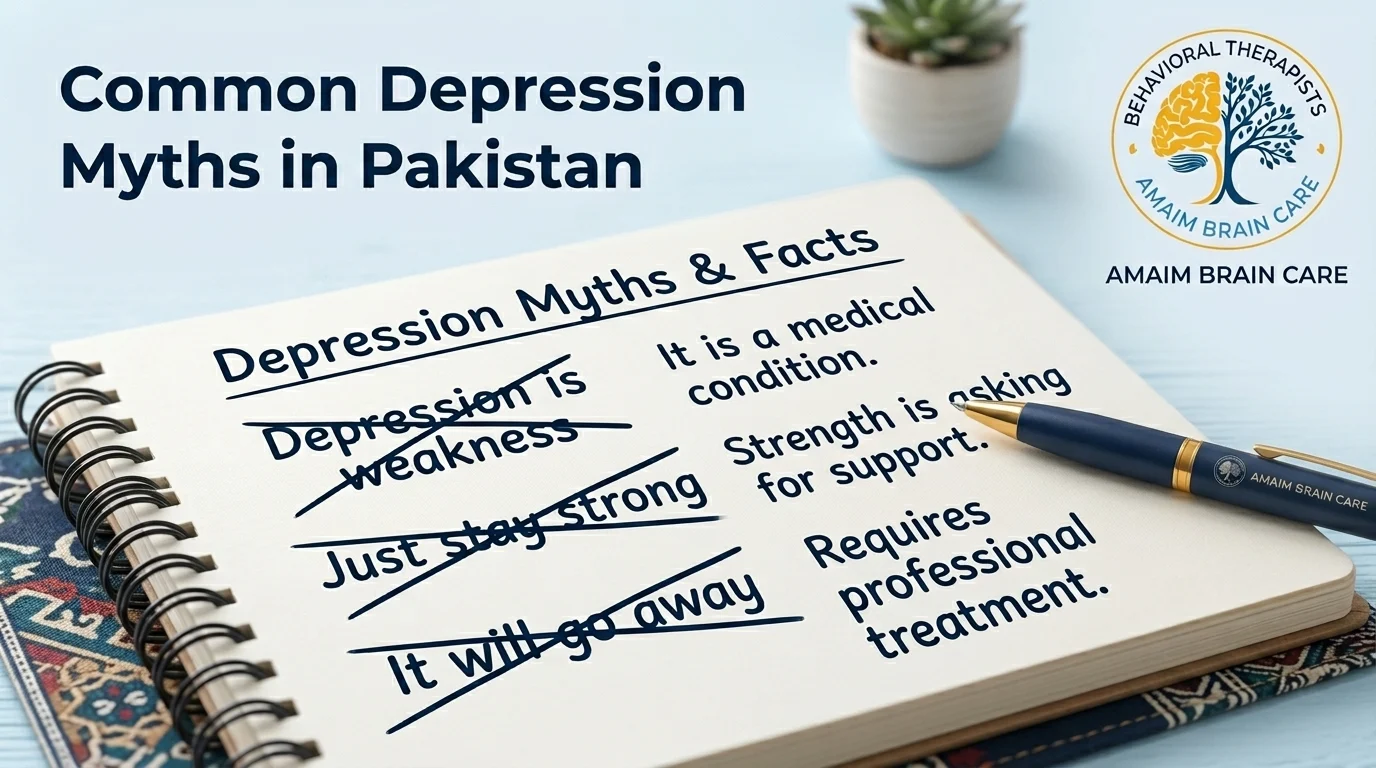
جب کوئی فرد اچانک خاموش ہو جائے یا بستر تک محدود ہو جائے تو اکثر لوگ جادو یا نظر بد کا شبہ کرتے ہوئے نام نہاد عاملوں کے پاس پہنچ جاتے ہیں۔ اس چکر میں مہینوں اور سالوں کا قیمتی وقت ضائع ہو جاتا ہے جس سے دماغی اعصاب مزید متاثر ہوتے ہیں۔ سائنسی بنیادوں پر علاج کروانا ہی دائمی شفا کا واحد ذریعہ ہے۔
Myth 3: “Psychiatric Medicines Cause Lifelong Addiction” / Dawaiyon Ka Khof
Another prevalent fear is that psychiatric medications, particularly modern SSRIs and SNRIs, are addictive sleeping pills designed to make patients permanently dependent. In reality, modern psychiatric antidepressants are non-habit-forming medications that gently restore natural neurotransmitter equilibrium over several months. Psychiatrists carefully adjust dosages and safely taper medications once neural recovery is established, ensuring patients return to full independent vitality.
Aam logon mein yeh khof phaila hua hai ke dimagh ki dawaiyan nasha hoti hain aur sari umar khani parhti hain. Yeh khayal bilkul be-bunyaad hai. Jadeed antidepressants nasha aawar nahi hoti balke yeh dimagh ke chemicals ko natural balance mein lati hain, aur theek hone ke baad doctor ke mashwaray se aahista aahista band kar di jati hain.
یہ خوف عام ہے کہ دماغی دوائیں انسان کو عادی بنا دیتی ہیں یا وہ نشہ آور ہوتی ہیں۔ جدید اینٹی ڈپریسنٹ ادویات قطعی طور پر نشہ پیدا نہیں کرتیں بلکہ وہ دماغی رطوبتوں کو درست سطح پر لا کر بند کر دی جاتی ہیں۔ ماہر معالج کی زیر نگرانی دوا کا استعمال مکمل طور پر محفوظ ہوتا ہے۔
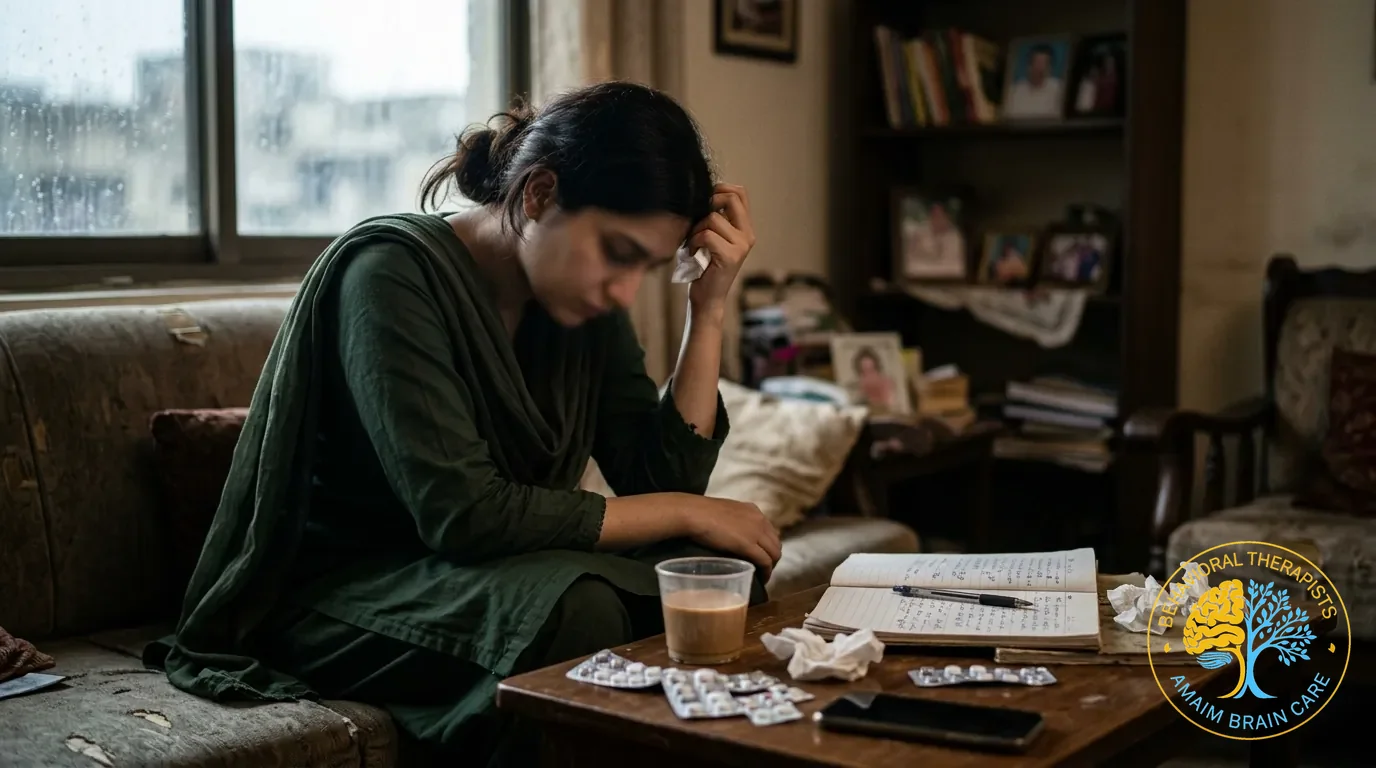
Overcoming Social Stigma at Amaim Brain Care / Rah-e-Najat
Overcoming these pervasive societal myths requires compassionate, scientifically grounded psychiatric care. Under the clinical leadership of Dr. Ahsan Tariq Dogar, Amaim Brain Care provides confidential, world-class mental healthcare in Faisalabad. Our comprehensive Major Depression Treatment protocols combine evidence-based psychopharmacology with modern counseling through our dedicated Psychotherapy Services. For patients requiring acute care, our 24/7 Psychiatric Admission Facility ensures dignified clinical recovery.
Stigma aur ghalat fehmiyon ko peeche chorh kar apni sehat ko tarjeeh dein. Amaim Brain Care Faisalabad mein Dr. Ahsan Tariq Dogar ki zer-e-nigraani har mareez ko izzat, raazdari aur jadeed tareeqon se behtareen ilaj faraham kiya jata hai taake woh apni khush-gawar zindagi dobara guzar sakay.
معاشرتی بدنامی اور جھوٹے مفروضوں کے خوف کو بالائے طاق رکھ کر اپنی ذہنی صحت کا دفاع کیجیے۔ امائم برین کیئر فیصل آباد میں ڈاکٹر احسن طارق ڈوگر کی سربراہی میں رازداری اور احترام کے ساتھ بین الاقوامی معیار کا علاج فراہم کیا جاتا ہے تاکہ مریض مکمل اعتماد کے ساتھ صحتمند زندگی میں لوٹ سکے۔
Frequently Asked Questions
Why do people in Pakistan think depression is not a real illness? / Log depression ko asli bimari kyun nahi samajhte?
Because emotional suffering cannot be seen on a regular blood test, people misunderstand it as sadness or dramatic behavior, ignoring the underlying neurobiological chemical disruption in the brain.
Kyunke yeh khoon ke test mein nazar nahi aati, is liye log samajhte hain ke yeh sirf nakhrray hain, halankey yeh dimagh ki bimari hai.
Can recitation or prayers alone cure clinical depression? / Kya sirf dua se clinical depression theek ho sakta hai?
Prayers provide immense spiritual comfort, but just as a broken bone or diabetes requires physical medical intervention, clinical depression requires psychiatric medicine and psychotherapy alongside faith.
Dua aur roohaniat se sakoon milta hai magar dawai aur doctor ka mashwara bhi utna hi zaroori hai jese kisi jismani bimari mein hota hai.
Are psychiatric antidepressants safe to take? / Kya dimagh ki dawaiyan mehfooz hoti hain?
Yes. Modern SSRIs and SNRIs prescribed by qualified psychiatrists are rigorously tested, non-addictive, and specifically formulated to restore neurochemical balance safely.
Jee haan, qualified psychiatrist ki likhi hui dawaiyan mukammal tor par mehfooz hoti hain aur nasha peda nahi kartin.
How does family stigma worsen a depressed patient’s condition? / Khandani tanz mareez ko kese nuqsan deta hai?
Being constantly labeled as “lazy” (sust) or “dramatic” induces overwhelming guilt, elevating chronic cortisol levels and pushing the patient deeper into isolation and despair.
Susti ya dramebazi ka tana milne se mareez ka hosla toot jata hai aur uski bimari mazeed shadeed ho jati hai.
Is depression curable or does it last forever? / Kya depression ka mukammal khatma mumkin hai?
With accurate psychiatric diagnosis, targeted pharmacotherapy, and evidence-based psychotherapy (CBT), the vast majority of patients achieve full clinical remission and return to vibrant daily life.
Sahi doctor aur mukammal course karne se depression se mukammal nijaat mil jati hai aur insaan normal zindagi guzar sakta hai.
How can I book an appointment with Dr. Ahsan Tariq Dogar?
You can book an in-person or online neuro-psychiatric consultation via reaching out via WhatsApp at 0333-6986464 for a confidential appointment.
فیصل آباد میں کلینک وزٹ یا آن لائن مشورے کے لیے آپ عمائم برین کیئر کے آفیشل واٹس ایپ لنک کے ذریعے رابطہ کر کے اپنی اپائنٹمنٹ باآسانی بک کروا سکتے ہیں، جہاں آپ کی معلومات کو مکمل صیغہ راز میں رکھا جاتا ہے۔
Sources & References
- American Psychiatric Association. Diagnostic and Statistical Manual of Mental Disorders (DSM-5-TR).
- World Health Organization (WHO). Mental Health Guidelines & Clinical Management Protocols.
- Pakistan Psychiatric Society (PPS). Clinical Practice Standards and Regional Mental Health Guidance.
Medical & Educational Disclaimer
The medical and psychiatric information provided on Amaim Brain Care is for educational purposes only. It is not intended to replace formal in-person psychiatric diagnosis, clinical assessment, or tailored prescription therapy. If you or a loved one are experiencing acute psychological distress or symptoms of a mental health condition, please seek professional evaluation from a certified psychiatrist.